

How salon memberships work, and when they backfire: clients pay a recurring fee for bundled blowouts, priority booking, or member-only rates; they backfire when visit frequency, staffing capacity, and margins do not match.
For a blow dry bar, the model only works if the numbers are tight: service time, chair occupancy, rebooking rate, no-show policy, and product use per appointment.
This article breaks down the mechanics, the break-even warning signs, and the operational fixes before a membership becomes a discount trap.
Run Your Member Math
Before launching or changing a blowout membership, calculate whether one member still leaves enough gross profit after realistic usage. Do this with your own service menu, stylist timing, product cost, and booking limits.
- Set the real service cost. Start with one standard blowout. Example: 45 minutes in-chair, 10 minutes reset, $8 product and laundry, and stylist pay or commission attached to that appointment.
- Price the member usage. If the plan is $99 for 2 blowouts, the member rate is $49.50 each. If most members use both visits, compare $49.50 against your normal ticket and cost per visit.
- Check chair capacity. A chair open for 8 hours can handle about 8 to 10 blowouts if services run 45 minutes with reset time. Block out peak hours before promising priority booking.
- Find the break-even visit count. Divide the monthly fee by your normal blowout price. A $99 plan against a $60 blowout breaks even for the client at 1.65 visits. Expect heavy users to book 2 or more.
- Add the risk rules. Decide whether credits expire, roll over, or cap at 1 month. Set a no-show fee that protects at least the stylist cost and lost chair time.
If the plan only works when members forget to book, the offer is too weak operationally. If it works with full use, peak-hour limits, and normal product use, it is safer to sell.
What the Numbers Actually Say
Salon memberships work when prepaid demand fills otherwise soft chair time without discounting the whole book. They backfire when members use peak slots, redeem heavily, or train regular guests to stop paying full ticket.
The first number to check is not member count. It is contribution per occupied chair hour after stylist pay, product, laundry, card fees, and front-desk time.
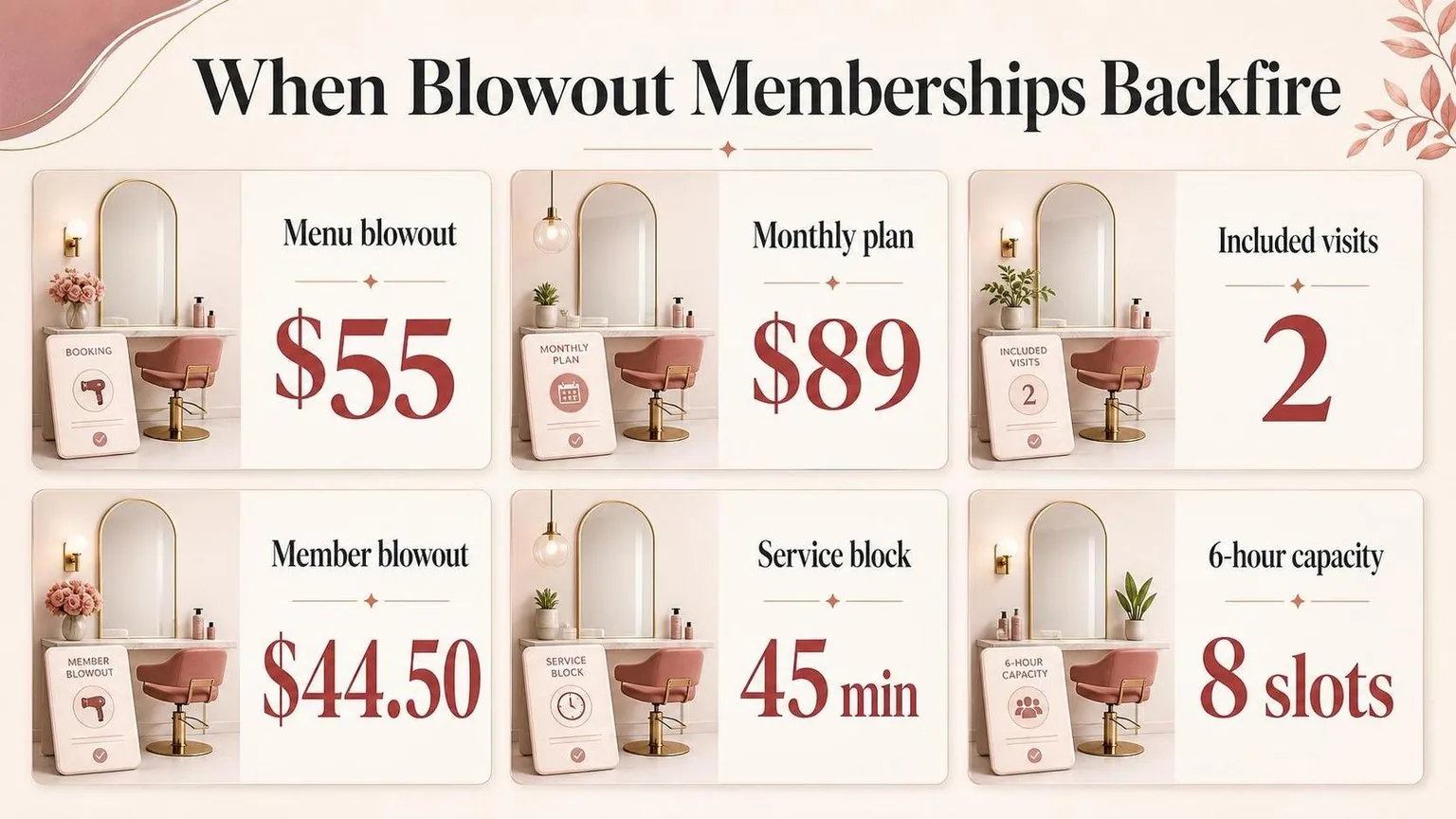
| Example membership variable | Test figure | What it means |
| Menu blowout | $55 | Full-price benchmark before gratuity |
| Monthly membership | $89 | Includes two blowouts |
| Implied member blowout | $44.50 | Membership discount per service |
| Appointment block | 45 minutes | Capacity cost must be priced against chair time |
| Services per chair in 6 hours | 8 | Maximum before cleanup delays and late arrivals |
In that example, the member is not worth less because they pay monthly. They are worth less if they consume a prime-time appointment that could have sold at the menu price.
| Slot type | Member revenue | Menu revenue | Revenue gap |
| Two included services | $89 | $110 | $21 |
| Four included-style visits at same rate | $178 | $220 | $42 |
| Eight chair slots at member rate | $356 | $440 | $84 |
The backfire point is utilization. A membership looks profitable when guests forget to book. It becomes operationally expensive when your best members book every available Saturday, use add-on discounts, and reschedule late.
| Member behavior | Salon impact |
| Uses half the allowance | Higher margin, but higher cancellation-risk if guests feel under-served |
| Uses full allowance | Predictable revenue, lower average ticket than menu pricing |
| Books only peak slots | Displaces full-price demand |
| Adds retail or premium styling | Can restore average ticket |
| No-shows without a fee | Creates paid demand with unpaid chair waste |
Payment rules matter too. The Federal Trade Commission’s negative-option guidance expects clear consent, easy cancellation, and truthful renewal terms.
Card networks also require transparent recurring-billing authorization, so a vague “club” sign-up is not enough.
Operationally, the cleanest membership has three guardrails: capped included services, blackout control for peak periods, and a no-show policy that protects the chair. Without those, the plan becomes a discount engine, not a retention system.
What Changes the Result
The membership works when visit frequency, service length, and stylist capacity line up. It backfires when the salon sells more redemptions than the team can comfortably deliver, or when guests buy a plan that exceeds their real grooming rhythm.
The most important variable is not the discount. It is utilization: how many included services members actually use, and whether those appointments land in peak chair time.
Visit frequency versus real demand
A blowout membership is financially safer when it matches an existing habit. A guest who already books weekly will use included services predictably. A guest who books only before events may feel trapped by unused credits.
| Guest pattern | Typical use | Risk |
| Weekly regular | 4 visits per 4-week cycle | Low, if appointment access is reliable |
| Every-other-week guest | 2 visits per 4-week cycle | Moderate, if the plan includes more than 2 blowouts |
| Occasion-only guest | 0 to 1 visit per 4-week cycle | High, unless unused credits roll over clearly |
Service timing and chair economics
Memberships change the floor when a 35-minute blowout becomes a 55-minute finish because of extensions, dense hair, or hot-tool detailing. That difference affects both payroll planning and the number of sellable slots left for non-members.
| Service component | Common timing | Operational effect |
| Consultation and sectioning | 5 to 8 minutes | Controls finish quality and repeatability |
| Wash and towel dry | 8 to 12 minutes | Can bottleneck shampoo bowls |
| Round-brush blowout | 25 to 40 minutes | Main chair-time cost |
| Iron polish or waves | 10 to 20 minutes | Often needs clear add-on rules |
Heat, finish standards, and add-ons
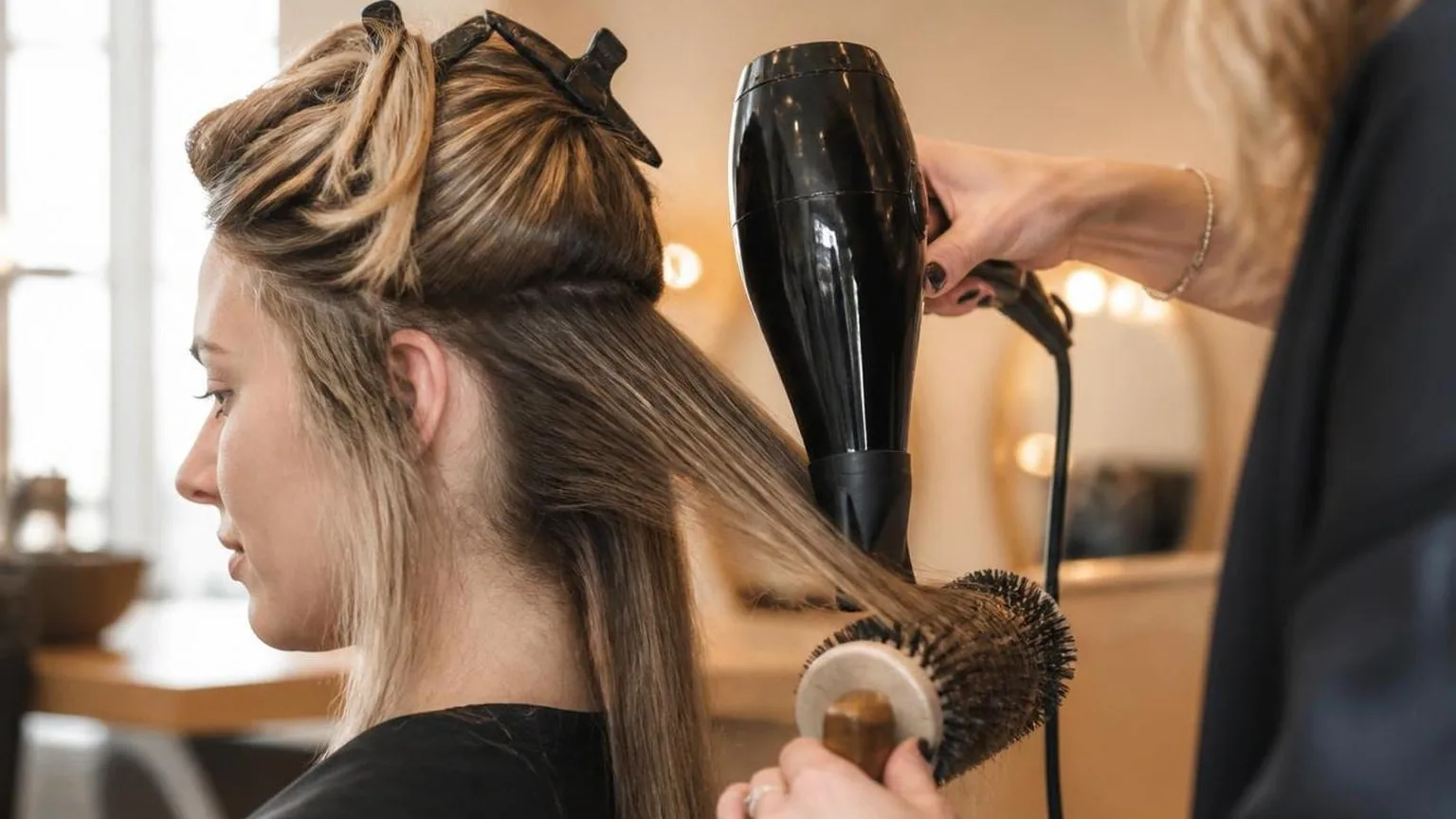
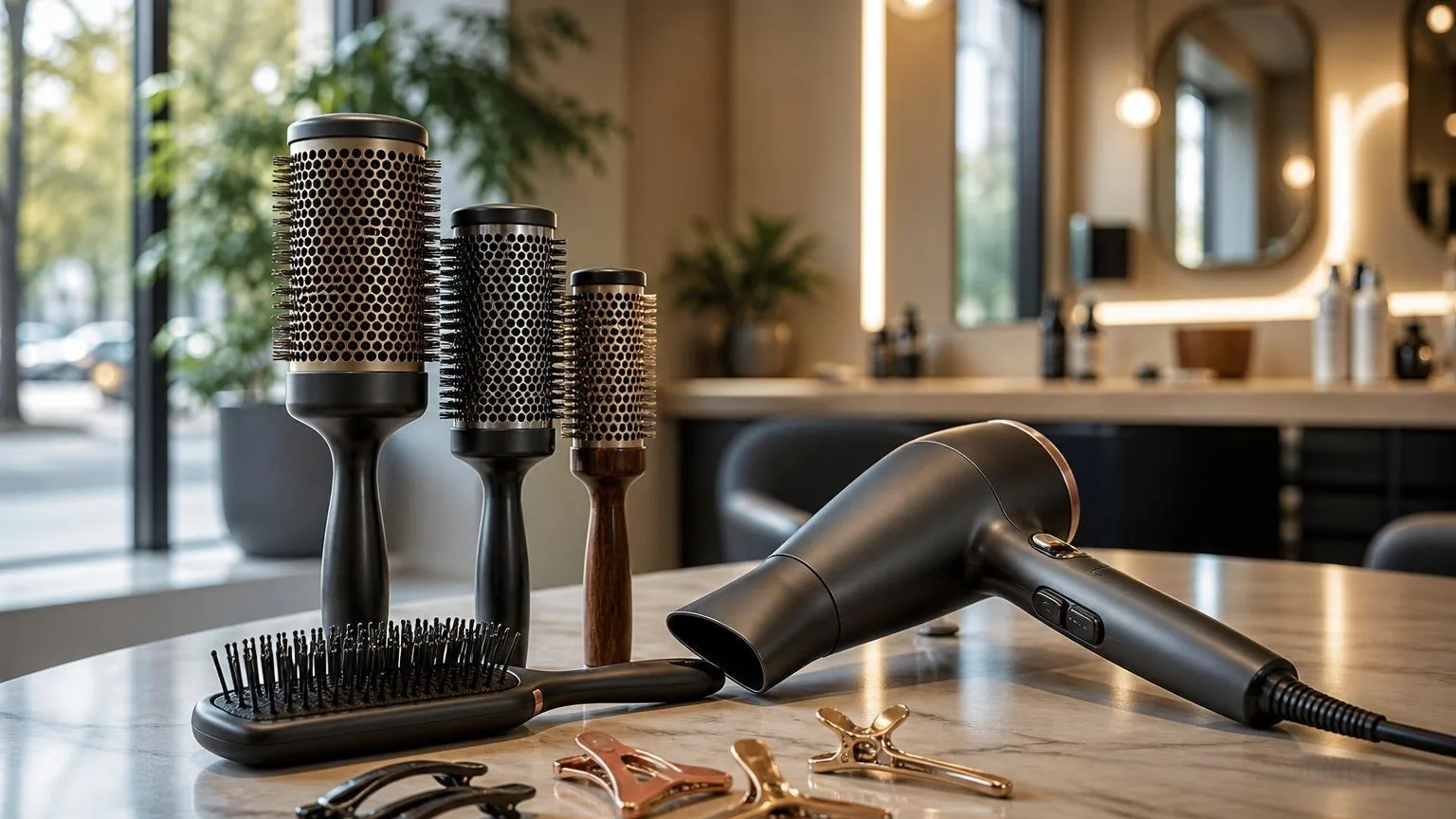
Craft standards matter because members compare consistency across visits. Many stylists work in clean sections around 1 to 2 inches wide, using concentrator nozzles and medium tension to control frizz before any iron work.
For hot tools, manufacturers commonly offer adjustable ranges up to 450°F, but salon teams usually need a house rule by hair type and desired finish. The membership should state whether curls, flat-iron smoothing, pins, or upstyling are included.
- Capacity: If peak evenings are full, members may blame the plan rather than their booking habits.
- Rollover rules: Clear limits reduce disputes over unused services.
- Stylist mix: Junior-heavy teams need extra time buffers for dense or very long hair.
- Retail pressure: Memberships work better when product recommendations support the finish, not when every visit feels like an upsell.
Trade bodies such as the Professional Beauty Association emphasize written policies, transparent pricing, and consistent service standards. In practice, those basics decide whether the membership feels like access or like a prepaid compromise.
Judging It in Practice
Judge a salon membership by running your own hair through it, not by counting theoretical visits. The right plan should make your usual finish easier to maintain, without forcing rushed appointments, downgraded styling, or add-on charges every time.
Book two consecutive member appointments with the same service menu you would actually use: shampoo, blowout, hot-tool pass if needed, and any fringe or extension-safe finishing. Do not judge it on a “best behaviour” first visit only.
| Hair situation | Minimum test | What to record |
| Fine, shoulder-length hair | 2 blowouts | Finish at 30 minutes, volume after 6 hours |
| Dense, below-collarbone hair | 2 blowouts | Finish at 45 minutes, damp spots at the nape |
| Curly or high-density hair | 2 blowouts plus smoothing pass | Frizz return after 24 hours, added tool fees |
| Fringe or face-frame styling | 3 visits | Consistency around the hairline |
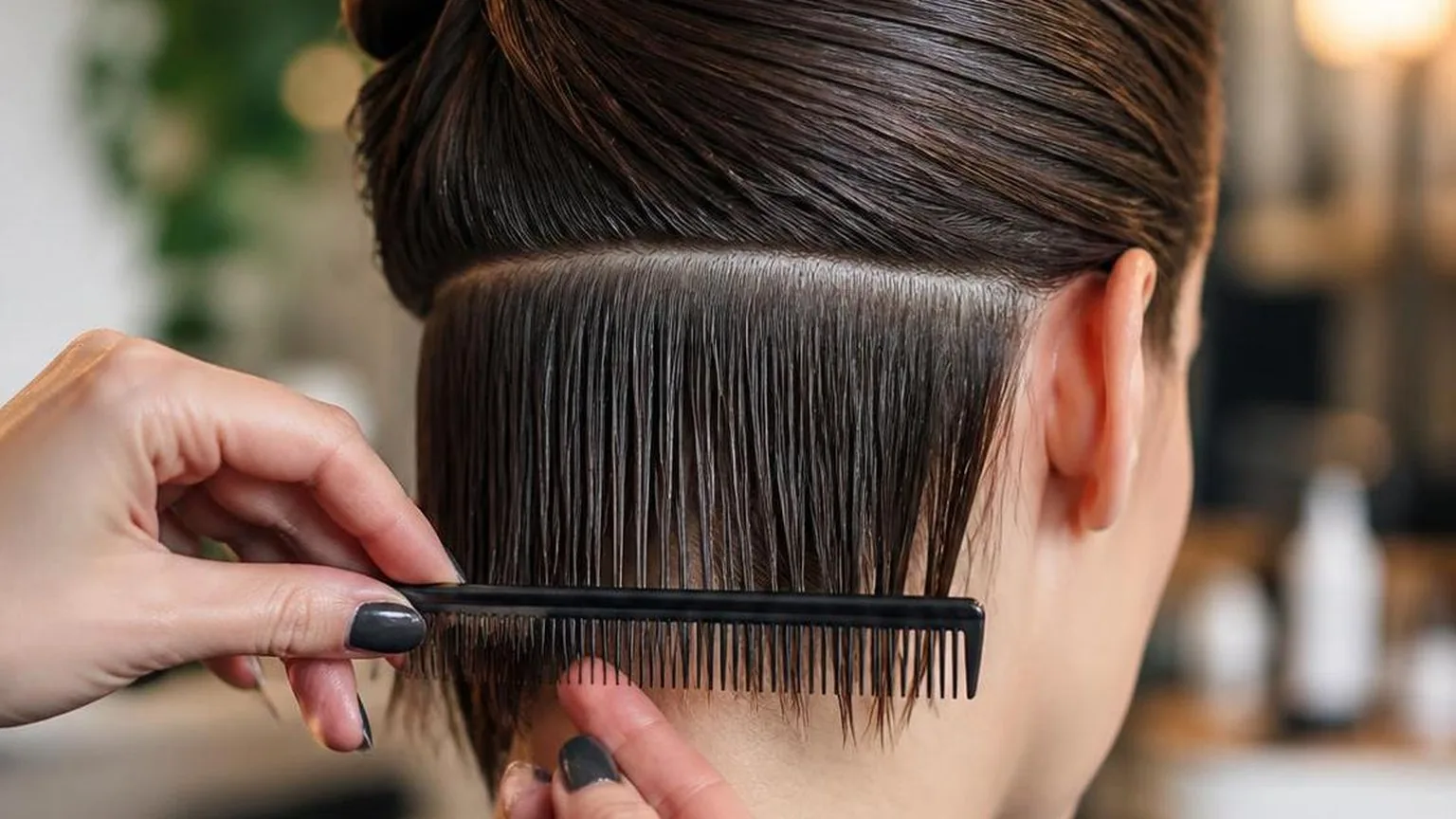
Time the service from shampoo bowl to final spray. A membership backfires when the salon has to compress your hair into a slot that suits the plan, not the work.
Milady cosmetology training emphasises full drying at the base before finishing; damp roots shorten the result.
| Checkpoint | Pass | Warning sign |
| Root dryness | Dry to touch before the round brush finish | Cool, damp areas at crown or nape |
| Section size | Sections close to brush width | Wide panels that collapse before cooling |
| Heat use | Controlled airflow, nozzle moving | Stationary heat on one area |
| Finish life | Shape holds through a normal workday | Flat or fuzzy before leaving home |
Ask which services are included before judging value. Many memberships cover a classic blowout but exclude extra-long hair, hot tools, braid work, upstyling, premium masks, or extension handling.
Those exclusions matter more than the headline visit count.
| Membership claim | Real-hair question to ask |
| Unlimited blowouts | Is there a minimum gap between bookings? |
| One blowout per week | Can unused visits roll over? |
| Member priority booking | How many peak-hour slots are reserved? |
| Includes styling | Are waves, bends, or flat-iron work included? |
For at-home finish chasers, compare the member result against your own controlled routine. Use the same shampoo day, same parting, and similar weather. If the salon finish only looks better for 2 hours, the membership is convenience, not performance.
The clearest backfire is behavioural: you start booking because visits are “owed,” not because your hair needs them.
A useful membership should reduce decision fatigue, protect appointment access, and deliver a repeatable finish on your actual density, length, and texture.
Weighed Against What Else Is Used
Salon memberships beat pay-as-you-go only when the guest uses the included visits and books at profitable times.
Compared with packages, subscriptions shift risk from the client to the salon because unused capacity, cancellations, and rollover rules become operational issues.
The cleanest comparison is not “discount versus full price.” It is cost per finished blowout, chair-time control, and how much admin the front desk absorbs.
| Model | Best fit | Main risk |
| Pay-as-you-go | Occasional clients, event styling, tourists | Lower visit frequency and weaker forecasting |
| Prepaid package | Clients who want value without a monthly commitment | Liability tracking and expired-credit disputes |
| Membership | Regular blowout clients with predictable routines | Overuse, underuse complaints, and cancellation friction |
| Unlimited membership | Dense urban locations with spare off-peak capacity | Peak-hour crowding and margin compression |
Here is the arithmetic owners should run before launching a membership. Use your real menu price, not a competitor’s Instagram offer.
| Scenario | Menu blowout | Member fee | Included visits | Effective visit price |
| Pay-as-you-go | $55 | $0 | 0 | $55 |
| Membership used fully | $55 | $149 | 4 | $37.25 |
| Membership half-used | $55 | $149 | 2 | $74.50 |
| Package | $55 | $240 | 5 | $48 |
That table shows why memberships can feel brilliant or unfair depending on usage. A client who books every included service wins. A client who misses visits may feel penalised, even when the terms were disclosed.
- Against pay-as-you-go: membership improves revenue predictability, but it reduces average ticket if members would have paid full price anyway.
- Against packages: memberships create recurring billing, while packages create prepaid value. Packages are often simpler for clients who travel or book irregularly.
- Against unlimited plans: capped memberships protect chair time better. Unlimited only works when blackout rules, fair-use terms, and peak-hour controls are written clearly.
For service timing, compare demand against a typical blowout block, not just the stylist’s hands-on time. Many bars need a wash, rough-dry, round-brush finish, checkout, and station reset inside one bookable slot.
| Operational factor | Why it matters |
| Booking interval | A 45-minute slot leaves little room for late arrivals or add-on curls |
| No-show buffer | A 10-minute delay can break the next guest’s start time |
| Cancellation policy | The FTC says negative-option offers must disclose material terms clearly before billing |
| Card updates | Failed recurring payments create front-desk labour and awkward service conversations |
The strongest alternative is often a hybrid: a modest membership for core regulars, packages for semi-regulars, and full-price booking for peak weekend and occasion demand.

Keeping Condition Through the Dry
Memberships backfire when the client uses every credit even when the hair does not need another full heat-styled service.
The risk is not one blowout; it is repeated heat, brush tension and finishing-tool passes without enough adjustment for hair texture and condition.
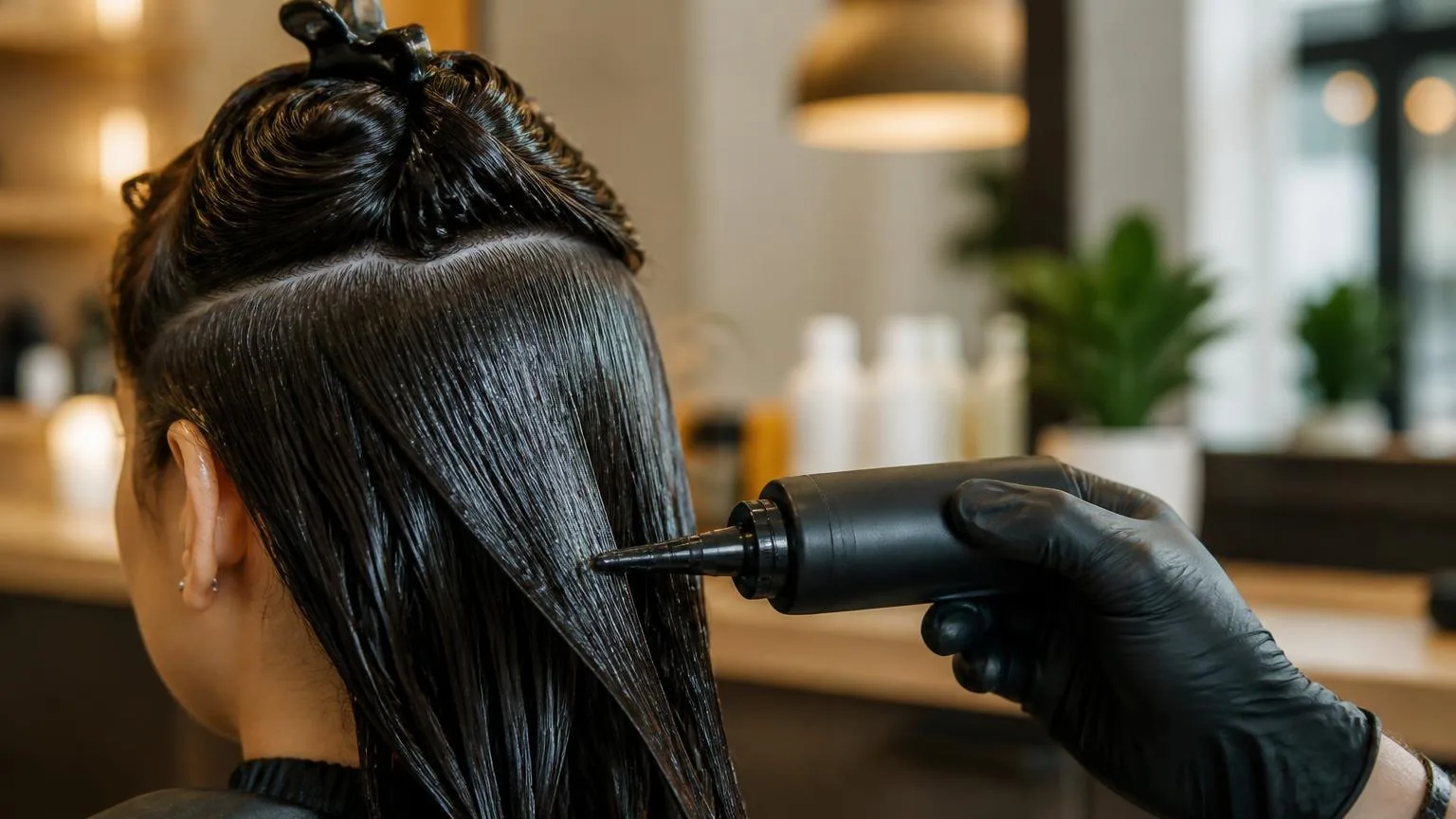
In practice, the stylist should change the service plan before changing the style goal. That means lower heat, larger sections, fewer passes, more air drying, or swapping a polished blowout for a low-tension smooth finish.
Working heat should match the hair, not the membership allowance
| Hair feel at the chair | Safer starting range | Tool approach |
| Fine, lightened-looking, or fragile-feeling lengths | 250–300°F | Use medium airflow, low tension, and avoid repeated iron passes |
| Medium-density hair with good elasticity | 300–350°F | Use controlled brush tension and one finishing pass only where needed |
| Coarse or very resistant hair | 350–400°F | Use smaller sections, firm but not stretching tension, and steady movement |
Cosmetic science texts and professional tool manufacturers commonly place direct hot-tool styling below about 400°F for routine work. The key is contact time. A cooler tool held still can be worse than a hotter tool moving cleanly.
Tension is the hidden membership cost
Round-brush blowouts rely on pull. That pull becomes a problem when weekly appointments repeat the same parting, same brush angle and same front hairline tension.
The client sees shine; the stylist should also watch recoil, snagging and ends that no longer sit smoothly.
| Service habit | Better salon adjustment |
| Same bouncy blowout every visit | Alternate with a soft smooth dry using less brush lift |
| Heavy root lift at the front each appointment | Change the parting and reduce upward tension around the hairline |
| Repeated curling iron finish | Set bends with a brush and cool shot before adding any iron work |
| Ends needing multiple passes | Trim the heat work, not just the ends; polish only the visible surface |
What to build into a membership menu
- Heat notes in the client record: record dryer setting, iron setting and areas that needed extra work.
- A lower-heat service tier: include a smooth dry or express finish that does not promise full volume every visit.
- Cool-shot discipline: set each section until it feels cool to the touch before unwrapping the brush.
- Section control: work in clean sections about 1–2 inches wide instead of reheating bulky panels.
- Finish audit: if the ends need a second pass, use serum, brushwork or a shape adjustment before more heat.
A profitable membership protects the result as well as the calendar. The best operators treat heat and tension like inventory: measured, recorded and reduced when the hair is already giving the finish the client wants.
The Mechanism, Step by Step
Salon memberships work best when the included blowouts match a client’s real styling rhythm, not an aspirational one.
They backfire when unused visits force rushed bookings, or when repeated heat styling is compressed into too few days.
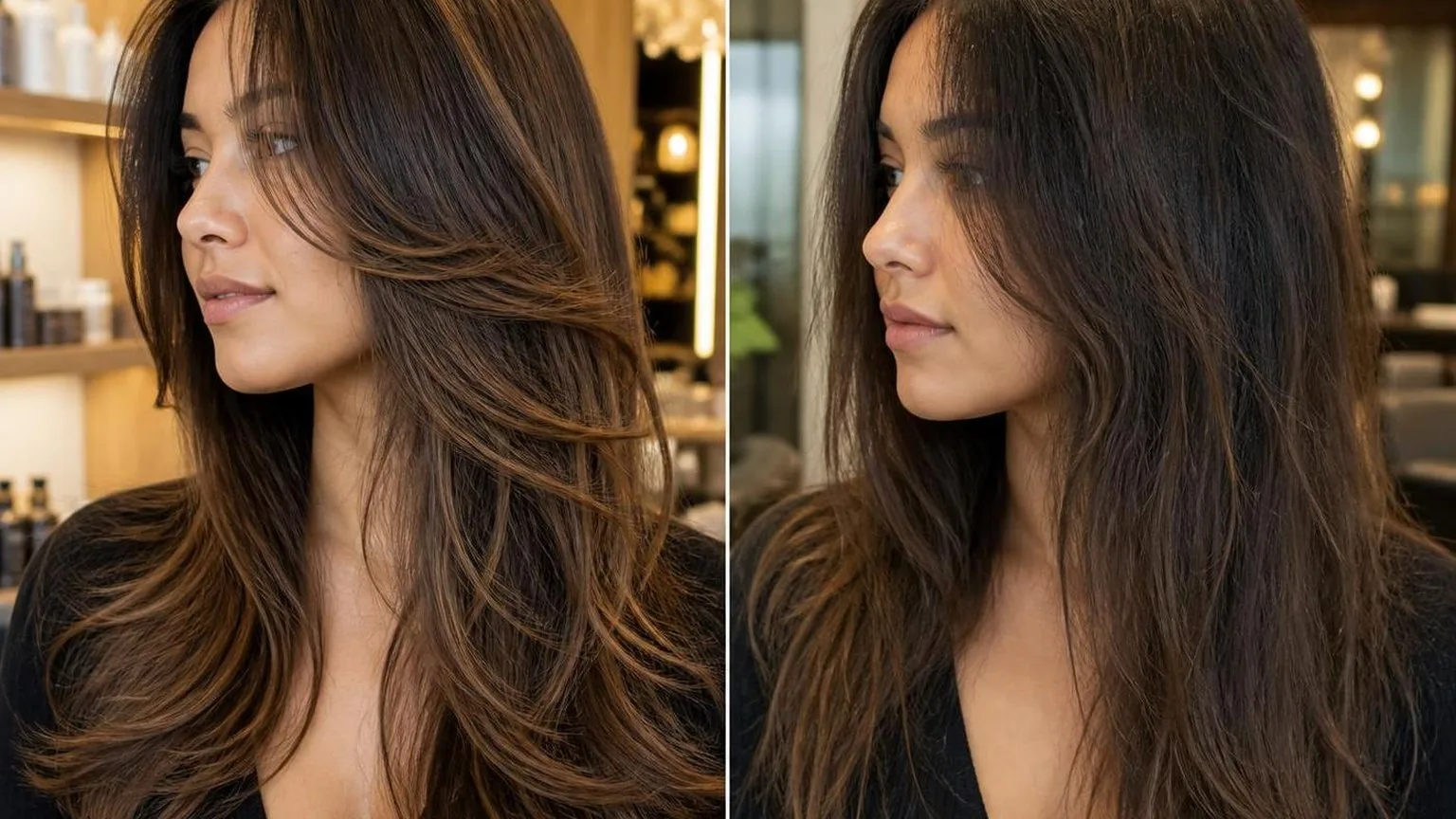
The craft issue is simple: a blowout depends on section control, airflow direction, brush tension, drying passes, and cooling. Membership design has to respect those variables instead of treating every head as the same appointment.
| Variable | Working range |
| Section width | 1 to 2 inches |
| Section depth | About 0.5 inch |
| Nozzle distance | 3 to 5 inches from hair |
| Airflow direction | Root to ends, cuticle-down |
| Passes per section | 2 to 4 drying passes, then 1 cooling pass |
| Brush sizes | 1.25-inch, 1.75-inch, and 2-inch round brushes |
These ranges matter because narrow, shallow sections let air reach the full strand surface. A 3 to 5 inches nozzle distance keeps airflow focused without crowding the brush.
Root-to-ends, cuticle-down airflow supports smoother finish work. The final cooling pass helps set shape after heat and tension have done the forming.
| Hair type | Typical hands-on finish time | Where memberships help |
| Fine, straight | 28 to 35 minutes | Fast maintenance, polish before work |
| Medium, wavy | 38 to 48 minutes | Smoothing and shape retention |
| Coarse, wavy | 52 to 65 minutes | Frizz control and longer wear |
| Curly, dense | 65 to 85 minutes | Occasion styling, not casual use |
The stronger membership fit usually comes from clients who already want a professional finish before meetings, dinners, travel, or weekend plans.
The weak point is not the blowout itself. It is the pressure to “use” visits when the client does not need them.
When bookings sit too close together, the styling goal can become vague. The finish may also stop matching the client’s actual week.
- Memberships feel valuable when clients use most included visits without rearranging their calendar.
- They feel wasteful when a client needs only occasional event styling.
- They create chair-time strain when long, dense hair is priced like short, fine hair.
- They reduce finish quality when salons shorten services to protect margins.
On the salon side, the model works only when service timing is honest. A 30-minute slot is realistic for fine hair with light shaping.
It is not realistic for dense curls needing full smoothing, root lift, beveling, and cool-shot setting.
| Membership design choice | Operational effect |
| Unused visits rolled over once | Lower pressure, better client satisfaction |
| Strict monthly expiry | More rushed bookings near cutoff |
| Same allowance for all hair densities | Uneven workload for stylists |
| Texture-aware timing tiers | More consistent finish quality |
The practical rule: memberships are a retention tool, not a discount blanket. They work when visit frequency, hair density, and appointment length are aligned before the card is charged.
They backfire when the plan sells convenience but delivers scarcity.
Myths That Keep Going Round
Salon memberships backfire when the rules are fuzzier than the blowout. The biggest mistakes are mispricing usage, hiding exclusions, and selling “unlimited” access without protecting chair time, staff pacing, and peak-hour capacity.
For clients, the myth is that a membership always saves money. For salons, the myth is that recurring revenue fixes slow days automatically. Both are only true when visit frequency, service time, and booking rules are calculated honestly.
Mistake: Pricing without a utilization ceiling
A blowout membership should be built around real appointment length, not hope. If a standard finish takes 45 minutes, then 8 member visits use 6 staff hours before check-in, shampoo reset, retail discussion, and cleaning time.
| Member visits per cycle | Service time per visit | Total chair time |
| 4 | 45 minutes | 3 hours |
| 6 | 45 minutes | 4.5 hours |
| 8 | 45 minutes | 6 hours |
If the monthly fee does not cover payroll, product, laundry, card fees, and reception time at the highest likely usage, the best customers become the least profitable ones.
Myth: “Unlimited” sounds premium
Unlimited can feel generous on a sales page, but it often creates booking friction. A practical cap, rollover rule, or fair-use policy is easier to manage than telling regulars there are no Saturday slots left.
- Limit peak bookings, for example Friday afternoon and Saturday morning.
- Require cancellation notice in hours, not vague “same day” language.
- Define whether braids, hot-tool add-ons, extra-long hair, and extensions are included.
- State whether unused visits expire, roll over once, or convert to retail credit.
Mistake: Ignoring no-shows and late arrivals
A 10-minute late arrival can wreck a 45-minute blowout schedule. Memberships need the same operational boundaries as à la carte appointments, including cut-off times for rebooking and clear consequences for repeated no-shows.
| Policy item | Why it matters |
| 10-minute grace period | Protects the next guest’s start time |
| 24-hour cancellation window | Gives the salon time to refill the slot |
| 2 missed appointments | Can trigger online-booking restrictions |
Myth: Members only want discounts
Many members are buying routine and reliability, not just a lower ticket. Early access to peak slots, a preferred stylist note, or a consistent 35-minute express finish can feel more valuable than a small discount.
Mistake: Training the front desk to “sell,” not explain
Membership complaints often start at checkout. Staff should be able to explain renewal timing, included services, exclusions, cancellation steps, and how gratuity is handled in under 60 seconds, without improvising.
- Keep terms on one printed card at reception.
- Use the same wording on booking pages and confirmation messages.
- Review member usage weekly, especially clients booking more than 1 visit per week.
Frequently Asked Questions
How does a blow dry bar membership usually work?
Most memberships charge a fixed monthly fee for a set number of blowouts, often 2, 4, or unlimited with booking limits.
Read the rules on rollover, guest use, cancellation notice, and whether add-ons such as hot tools, extensions styling, or extra-long hair are included.
When does a salon membership save the client money?
It works when the client reliably uses every included visit.
If a blowout normally takes 45 minutes and the member books weekly before work or events, the value is clear; if they skip even one included service, the effective cost per visit can jump fast.
Why do memberships backfire for salon owners?
They backfire when too many members book peak slots, such as Thursday evenings and Saturday mornings, while paying below standard ticket value.
A stylist with a 45-minute service time and 15-minute reset can only serve about 8 clients in an 8-hour shift.
What membership terms should clients check before joining?
Check cancellation notice, blackout times, no-show fees, rollover limits, stylist-request rules, and whether gratuity is included.
Also confirm service scope: a smooth blowout, curls with a 1-inch iron, or extra finishing time for dense hair may be priced differently.
How can salons design memberships that do not dilute profit?
Cap redemptions per day, exclude peak hours, and price around real chair time, not just product cost.
Track utilization monthly: if members average more than the planned visits or displace full-price bookings, tighten availability or adjust the tier structure.
What services fit best in a salon membership pricing model?
Blowouts, fringe trims, gloss add-ons, and routine treatments work well because demand is predictable. Complex color or corrective work often needs separate pricing.
How can salons manage booking with active memberships?
Set clear booking rules, blackout times, and cancellation fees. This helps protect peak slots for full-price clients while still giving members reliable access.
How should salons handle unused membership visits?
Set a clear rollover or expiry rule before launch. Limited rollover can feel fair to clients while keeping future booking capacity and cash flow predictable.
Related Reading
- The blow dry bar business model, explained
- How booth rental works, and who it suits
- What a blow dry bar is, and how the model works
- The licences a blow dry bar needs, and who issues them
- How blow dry stylists are paid: the three structures
- Insuring a stylist’s hands: what cover exists
- The complete guide to the blow dry bar business