

How booth rental works, and who it suits: a stylist pays a fixed chair or suite fee, keeps service revenue, manages bookings, stock, insurance, and taxes, and suits experienced operators with steady clients and salon discipline.
For blow dry bars, it shifts risk from payroll to occupancy: the owner sells space, standards, and footfall; the renter sells finish, speed, retention, and retail.
The model works best when service times, station rules, towel flow, and client handover are written down.
Run Your Chair Test
Before signing a booth rental deal, check whether your own blow dry numbers can carry the rent, stock, admin, and quiet hours. Use one normal week, not your best week.
- Write your fixed weekly cost. Add chair rent, booking software, card fees, towel charge, insurance, phone, and basic products. Example: $350 rent, $25 software, $20 towels, $15 insurance, $40 product allowance = $450.
- Set your average ticket. Use your real paid ticket after discounts. If your blowout is $55 and add-ons average $10, your working ticket is $65.
- Find your break-even clients. Divide weekly cost by average ticket. A $450 cost divided by $65 needs 7 clients before you pay yourself.
- Add your pay target. If you want $900 before tax, add it to costs. $450 plus $900 = $1,350. At a $65 ticket, you need 21 clients.
- Check the diary space. If each service takes 45 minutes plus 10 minutes reset, 21 clients need about 19 booked hours. If you only fill 10 hours, booth rental is too early.
Use this same test for a suite, a shared chair, or a weekend-only station. If the number depends on walk-ins, free towels, or borrowed product, the model is not yet clean enough.
What the Numbers Actually Say
Booth rental is a fixed-cost model: the renter pays the salon first, then keeps service revenue after business expenses.
It suits stylists who can reliably fill the chair, price confidently, and handle booking, stock, tax records, and client follow-up without front-desk support.
The deciding number is not the rent alone. It is how many paid services are needed before the renter earns the same take-home as an employee or commission stylist.
| Item | Example figure | What it means |
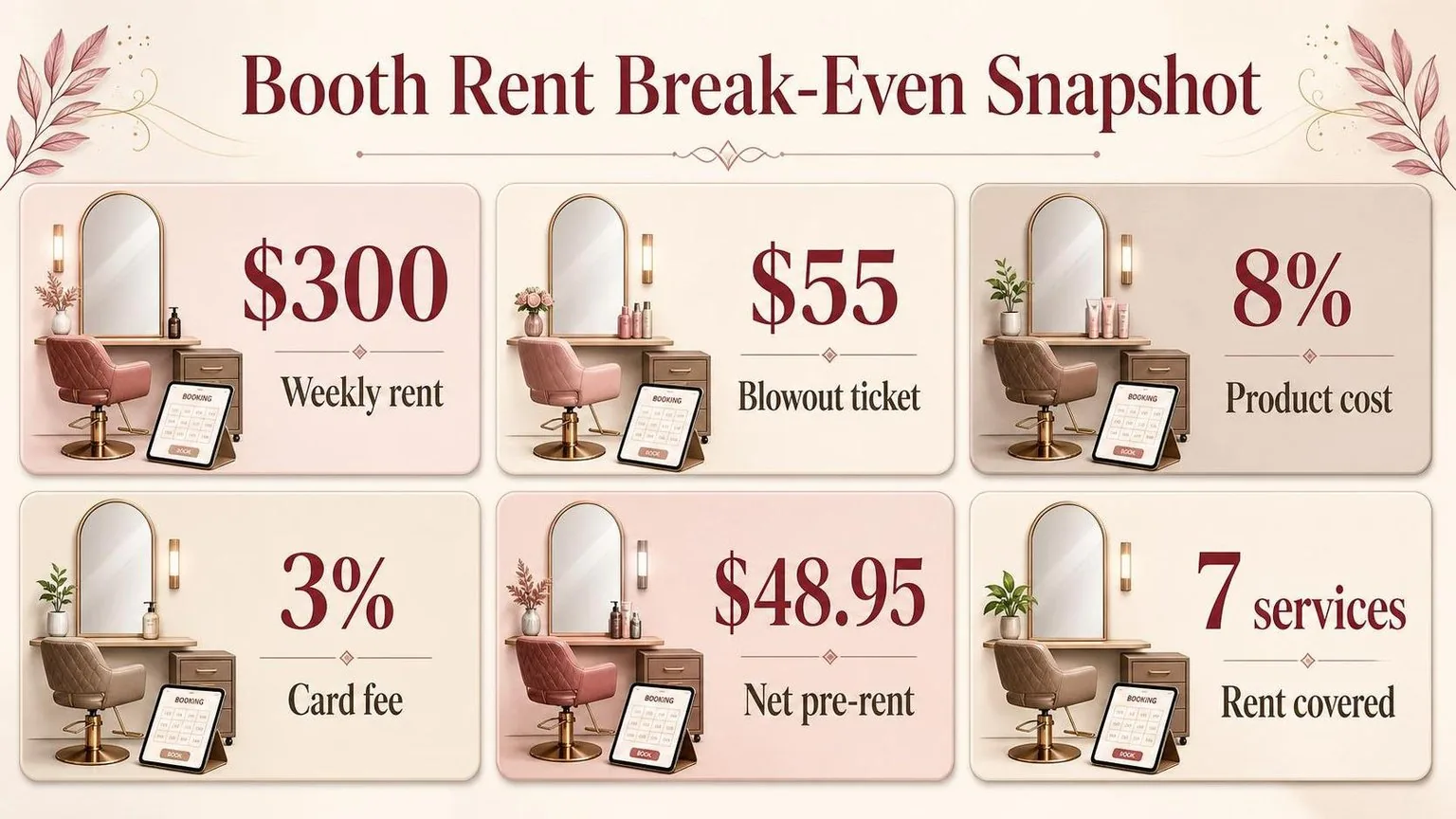
| Weekly booth rent | $300 | Fixed cost due even if the chair is quiet |
| Average blowout ticket | $55 | Service revenue before expenses |
| Product and disposables | 8% of ticket | About $4.40 per $55 service |
| Card processing | 3% of ticket | About $1.65 per $55 service |
| Net before tax and rent | $48.95 | $55 minus product and card costs |
| Services to cover rent | 7 | $300 divided by $48.95, rounded up |
In that example, the first seven blowouts mainly pay the room. The eighth service starts contributing to the stylist’s gross profit before income tax, insurance, education, tools, cancellations, and unpaid admin time.
| Weekly services | Gross service revenue at $55 | Estimated net after rent, product, card fees |
| 10 | $550 | $189.50 |
| 20 | $1,100 | $679.00 |
| 30 | $1,650 | $1,168.50 |
This is why booth rental usually fits a stylist with repeat demand, not someone still building a book from walk-ins. A renter needs enough regular clients to survive slow mornings, no-shows, and seasonal dips.
- Best fit: stylists with pre-booked repeat clients, strong retail discipline, clean rebooking systems, and control over timing.
- Risk fit: stylists relying on salon traffic, receptionists, house marketing, shared stock, or a manager to solve gaps.
- Owner fit: salons that want predictable rent income, fewer payroll obligations, and clear written boundaries on control.
Classification matters. The Internal Revenue Service distinguishes employees from independent contractors by behavioral control, financial control, and the relationship of the parties.
A renter should generally control schedule, pricing, tools, client records, and business decisions.
For owners, the cleanest numbers are occupancy and rent collection. For renters, the cleanest numbers are weekly break-even, client retention, average ticket, rebooking rate, and unpaid hours spent outside the chair.
What Moves the Outcome
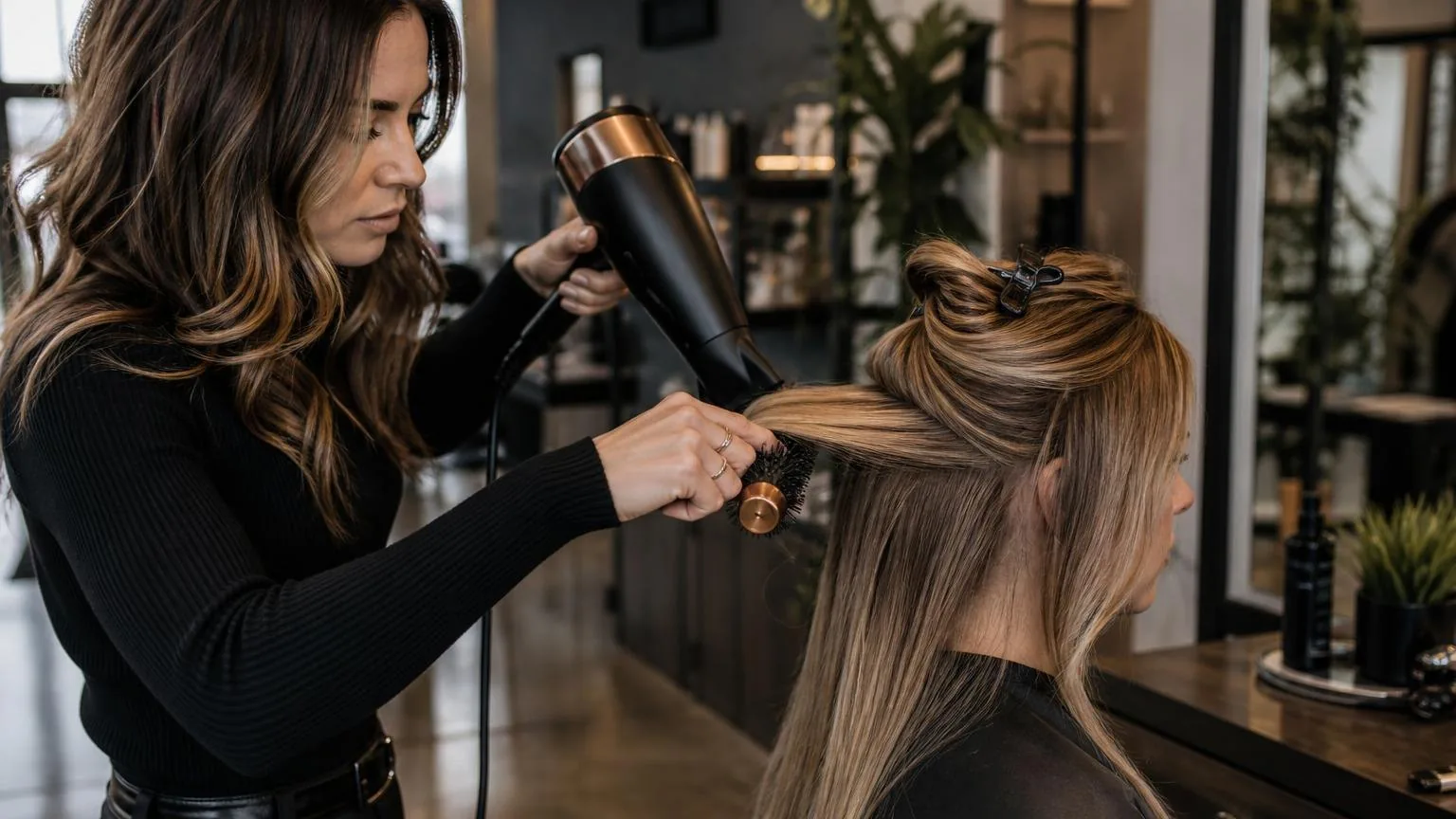
Booth rental works best when the renter can fill the chair, control service quality, and handle business admin without the salon feeding them work.
The result changes most when rent, client ownership, legal control, and rebooking discipline are clear from the start.
For owners, the upside is steadier rental income and fewer payroll duties. For stylists, the upside is autonomy. The trade-off is that quiet weeks, product waste, card fees, no-shows, and self-employment tax sit with the renter, not the salon.
Rent only works if the chair is busy enough
A booth renter should run the numbers before signing. The first question is not “Can I afford the rent?” It is “How many paid services must I complete before I earn anything?”.
| Example weekly booth rent | Average ticket | Tickets needed before rent is covered |
| $250 | $50 | 5 services |
| $350 | $70 | 5 services |
| $500 | $100 | 5 services |
That table excludes backbar, retail stock, booking software, towels, card processing, and tax set-asides.
A stylist doing blowouts needs repeat traffic and strong add-ons, because finishing services usually have shorter appointment times and lower tickets than major color work.
Control determines whether it is true rental
In the US, the IRS looks at behavioral control, financial control, and the working relationship when weighing worker status.
If the salon sets schedules, prices, uniforms, scripts, and service methods, the arrangement can start to look less independent.
| Area | Employee-style control | Booth-rental style |
| Schedule | Owner assigns shifts | Renter books own hours |
| Pricing | Salon menu controls price | Renter sets service prices |
| Clients | Salon owns the client list | Renter markets and rebooks directly |
| Tools | Salon supplies core kit | Renter supplies main tools and stock |
The written agreement carries the day-to-day weight
The lease should say exactly what is included: chair, mirror, storage, towels, laundry, reception, booking access, Wi-Fi, drinks station, backbar, and retail shelves.
Vague “full use of salon facilities” wording causes disputes when Saturdays get busy.
- Define rent amount, due day, late fee, and notice period.
- State whether walk-ins belong to the salon, the renter, or a rotation.
- Set rules for towel use, sanitation duties, music volume, guests, and keys.
- Confirm professional licensing, liability cover, and local board compliance.
Client flow is the deciding factor
Booth rental suits stylists who already rebook well, photograph finished work, and can fill quieter hours without a manager handing them clients.
A renter with strong Friday and Saturday demand still needs midweek tactics, such as memberships, event styling, and maintenance blowouts.
| Renter profile | Likely fit | Main risk |
| Established stylist with repeat guests | Strong | Admin overload |
| New stylist building speed | Weak | Empty chair time |
| Blowdry specialist with event network | Strong | Seasonal peaks and dips |
Checking It at the Chair
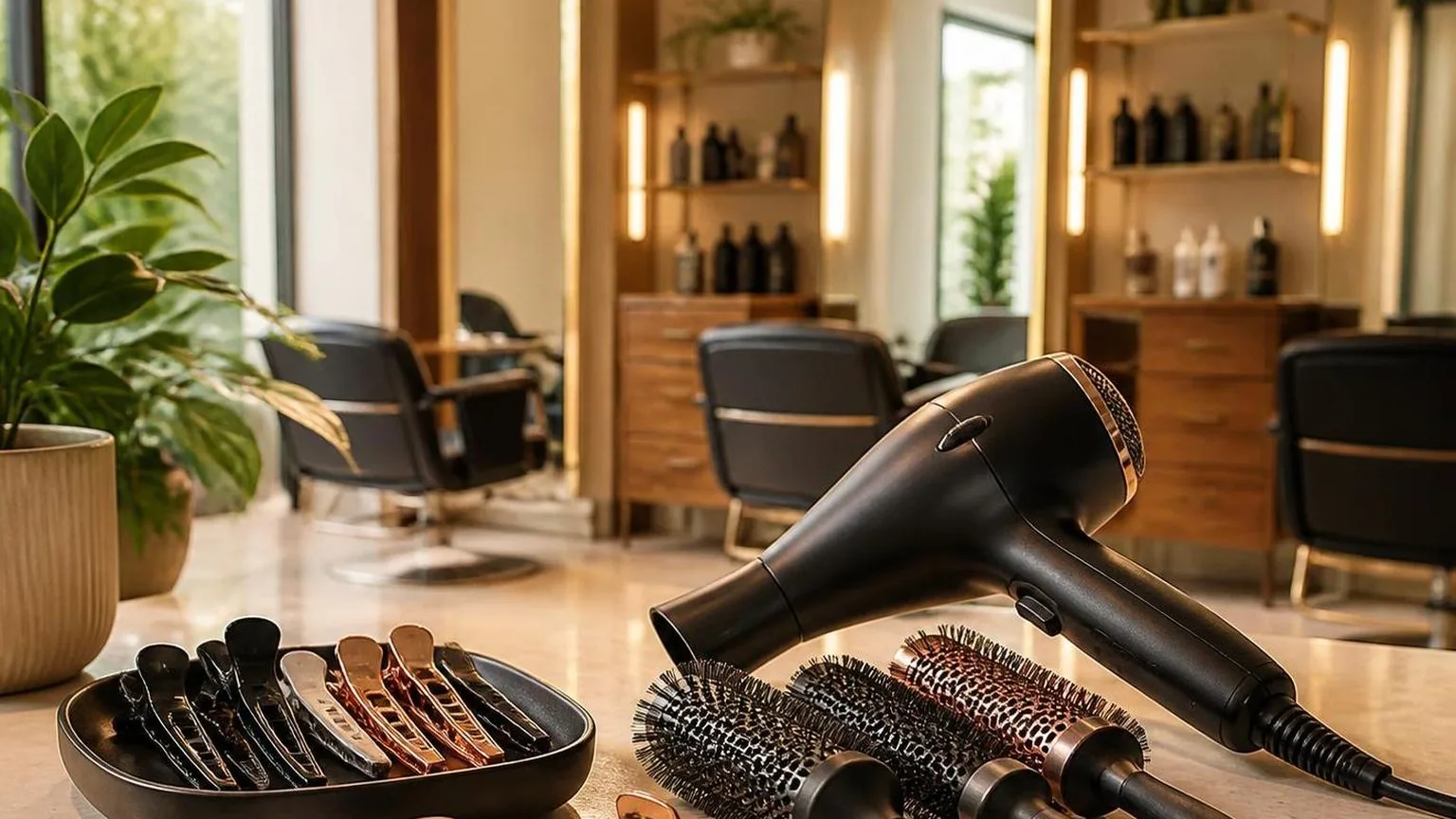
Judge booth rental by what happens during a full client day, not by the chair fee alone. If the stylist can fill the book, control timing, retail, sanitation, consultation, and rebooking without front-desk support, the model can work.
Run the test on real services: a smooth blowout, a curly diffused finish, an updo prep, and a dense-hair finish that needs section discipline. Track minutes, product use, rebooking, and gaps between clients.
Test the chair like a working station
A booth renter is usually self-employed, so the practical question is whether the station supports independent production.
The IRS separates employees from independent contractors by behavioral control, financial control, and the relationship of the parties.
If the salon dictates scripts, hours, pricing, uniforms, and exact service method, the arrangement can start to look less independent. If the renter controls booking, pricing, supplies, and technique, it fits the rental model more cleanly.
| Real-hair test | What to measure | Target to review |
| Smooth blowout on medium density | Consultation, shampoo, blowdry, finish | 45 to 60 minutes |
| Dense or long hair finish | Sectioning, heat control, brush rotation | 60 to 90 minutes |
| Curly diffused finish | Product layering, drying position, frizz control | 45 to 75 minutes |
| Event prep or pin work | Hot-tool timing, hold, photography check | 60 to 120 minutes |
Watch the economics per finished head
Do not judge by gross takings. Subtract chair rent, card fees, booking software, towels, backbar, styling products, insurance, education, and tax reserves. A busy stylist can still be undercharging if resets and no-shows are not priced in.
| Cost or time item | Why it matters | Practical check |
| Turnover time | Controls how many clients fit | 10 to 15 minutes between services |
| Product use | Renter pays or replaces stock | Track per service, not per week |
| Towel load | Affects laundry and reset speed | 2 to 4 towels per blowdry |
| No-show exposure | No paid time without policy | Require deposit or card hold |
| Retail conversion | Builds margin outside services | Record units sold per client |
Who it suits in practice
- Stylists with a repeat book strong enough to cover fixed rent before taking profit.
- Finishers who can work cleanly without an assistant, including shampoo, sanitation, checkout, and rebooking.
- Operators confident setting service times, deposits, cancellation terms, and aftercare notes.
- Salon owners who want predictable rental income rather than managing payroll schedules and service methods.
Who should be cautious
- New stylists still needing daily coaching on sectioning, finish selection, and client consultation.
- Stylists who rely on walk-ins, front-desk selling, or salon-owned social media to stay booked.
- Owners who want to control every client script, tool choice, price, and working hour.
The strongest test is simple: compare one fully booked rental day with one commission-style day. Count finished heads, rebookings, retail units, gaps, complaints, and net income after direct costs.
The better model shows up in the chair, not on the lease.
How It Compares to the Alternatives
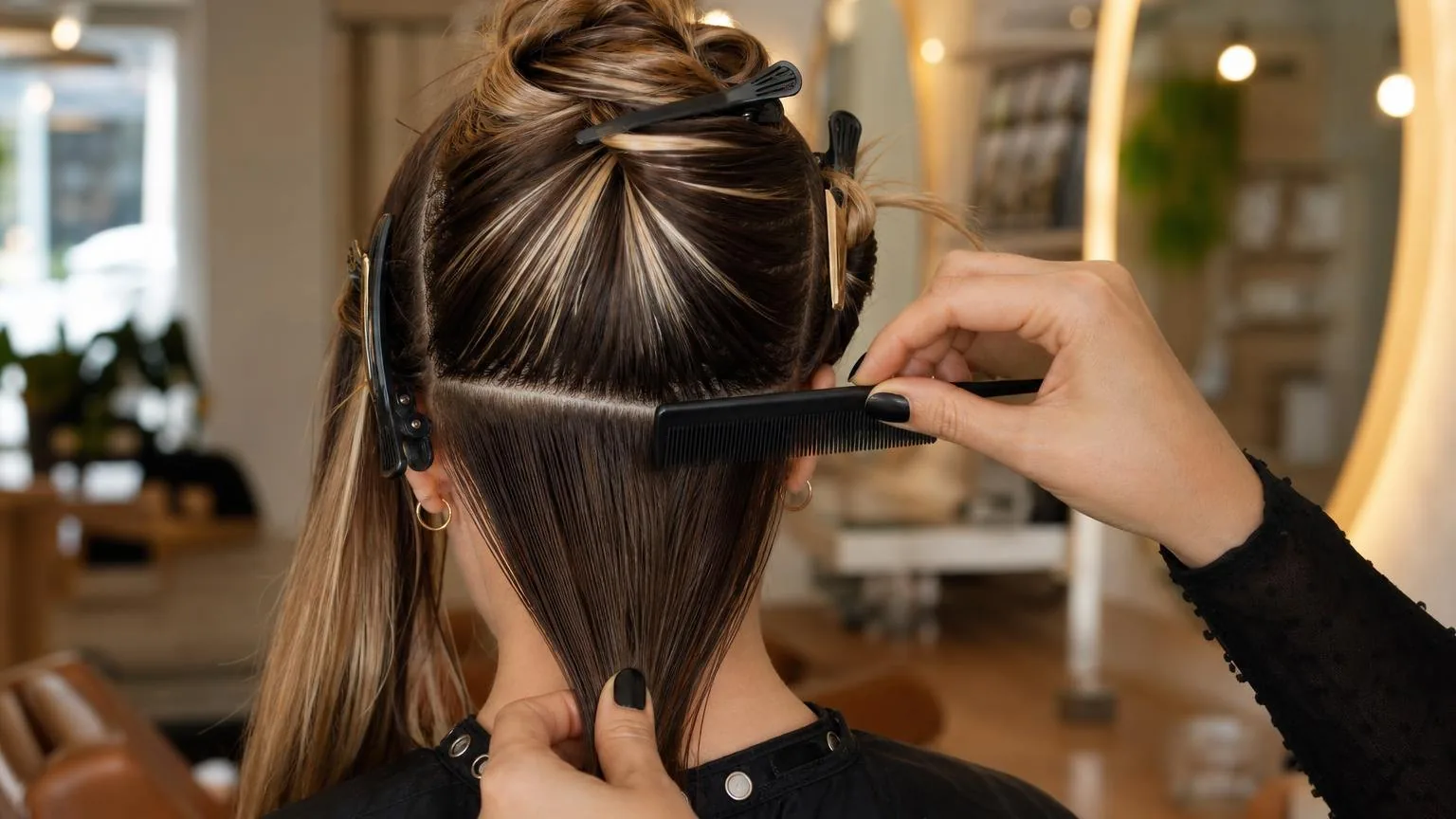
Booth rental sits between employment and full salon ownership: the stylist runs their own book, pays a fixed chair fee, and keeps their service income.
It suits operators who already have repeat clients, can price confidently, and are ready to manage stock, booking, tax, and client records.
The biggest difference is control. In a commission role, the salon usually controls pricing, hours, retail lines, service menu, and client data.
In booth rental, the renter is typically self-employed or an independent contractor, subject to local classification rules such as IRS common-law control tests or HMRC employment-status tests.
| Model | Typical cash flow | Control level | Best fit |
| Employee or commission stylist | Salon pays wages or commission; salon collects client payments | Lower | Newer stylists building speed, systems, and clientele |
| Booth rental | Stylist pays fixed rent and keeps service revenue | Medium to high | Established stylist with steady rebooking |
| Salon suite | Stylist leases a private room and covers more overhead | High | Operator wanting privacy and full brand control |
| Salon owner | Owner carries lease, payroll, utilities, insurance, systems, and team costs | Highest | Business builder ready to manage people and premises |
A booth renter’s break-even point is simpler than a salon owner’s, but less protected than an employee’s.
If chair rent is due every week, the renter must cover it before paying themselves, even during quiet periods, cancellations, holidays, or illness.
| Example weekly target | Number |
| Chair rent | 300 |
| Average blowout ticket | 60 |
| Services needed to cover rent only | 5 |
| Services at 45 minutes each | 225 minutes, or 3 hours 45 minutes |
That calculation excludes card fees, towels, backbar, styling products, booking software, insurance, accounting, education, and unpaid admin. A practical booth renter tracks revenue per chair hour, not just gross sales.
- Compared with commission: booth rental offers more upside, but no built-in paid downtime, salon marketing machine, or guaranteed walk-ins.
- Compared with a suite: booth rental usually needs less setup and less equipment, because shampoo bowls, dryers, reception areas, and utilities may already be shared.
- Compared with mobile work: booth rental gives a fixed professional setting, better tool control, and less travel time, but less geographic flexibility.
- Compared with ownership: booth rental avoids payroll management and full premises liability, but it also limits expansion through other people’s work.
For blow dry specialists, the model works best when appointments are repeatable and tightly timed. A 35 to 50 minute finish, booked back-to-back with 10 minutes for reset, can create predictable chair-hour revenue if demand is already there.
It is a poor fit when the stylist relies mainly on walk-ins, needs daily coaching, or has no client-retention system.
Before signing, review rules on retail sales, cancellation policy, towel use, opening hours, product storage, insurance, and who owns the client list.

Heat, Tension and Keeping Hair Intact
In a booth rental setup, heat and tension standards sit with the renter, not a front-desk manager or shift lead.
The safest operators build repeatable settings, section sizes and brush pressure into every blowout so finish quality does not depend on guesswork.
Hair is strongest when handled with controlled water removal, moderate airflow and clean sectioning.
The Society of Cosmetic Chemists has long described wet hair as more vulnerable to stretching, so aggressive pulling before rough-drying raises the risk of snapped ends and frizz.
| Control point | Professional target | Why it matters |
| Moisture before brush work | About 70% to 80% dry | Reduces drag while leaving enough water to reshape the hair |
| Section width | 1 to 2 inches | Keeps airflow even from roots to ends |
| Nozzle distance | 3 to 6 inches from hair | Limits concentrated hot spots on the cuticle |
| Air direction | Root to end | Helps the cuticle lie flatter for shine |
For renters, this means choosing tools by measurable output, not by marketing language.
A dryer with a concentrator nozzle, variable heat and a cool-shot button gives more control than a single-temperature unit, especially across fine, dense, coily or highly porous hair.
| Hair feel during service | Heat choice | Tension choice |
| Fine or fragile-feeling | Low to medium heat | Light brush pull, smaller sections |
| Medium density | Medium heat | Steady tension, smooth wrist rotation |
| Dense or resistant | Medium to high airflow before high heat | Firm tension only after rough-drying |
| Previously heat-styled ends | Lower heat at the last 2 inches | Minimal re-passing over ends |
Do not use client discomfort as the warning system. If the section is too hot to hold against the back of your fingers for a brief touch test, reduce heat, increase dryer distance or take a thinner section.
Brush diameter also changes stress on the strand. Smaller barrels create more bend and more concentrated tension, while larger barrels stretch the hair with a softer curve.
Renters should stock at least one smoothing brush and one volume brush to avoid forcing every finish through the same tool.
| Brush barrel | Best use | Handling note |
| 25 to 35 mm | Short layers, fringe, root lift | Use lighter tension to avoid over-bending ends |
| 43 to 53 mm | Medium lengths, polished movement | Maintain even airflow along the barrel |
| 60 mm and above | Long hair, smoother volume | Best for stretch and softness, not tight curl |
Good booth renters document their own service rules: maximum heat habits, sectioning pattern, product amount and when to switch to cool air.
That consistency protects hair integrity and gives clients the same finish whether the salon is busy, quiet or fully booked.
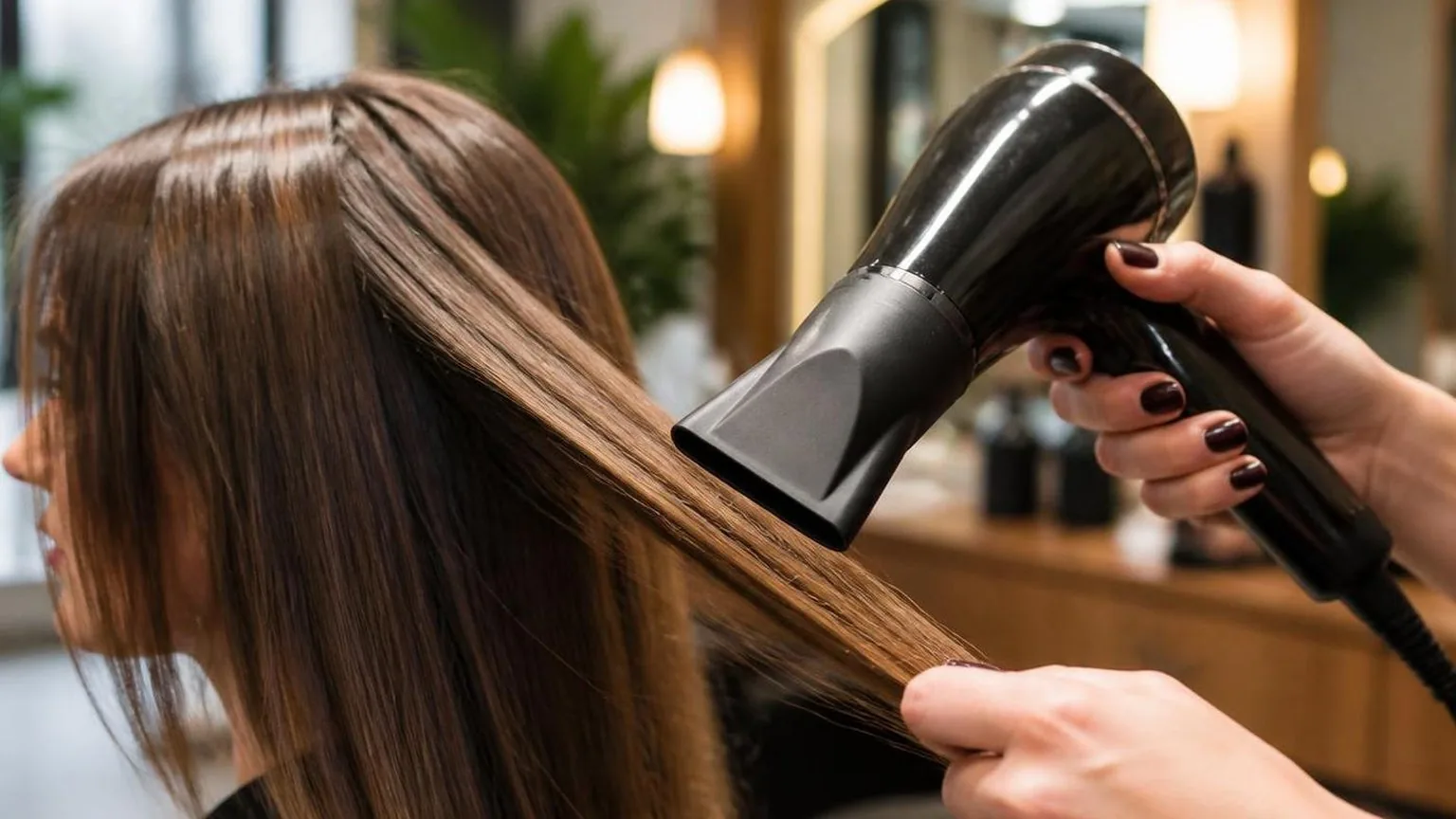
Why the Technique Works
Booth rental works best when the stylist can control timing, consultation, finish quality, and rebooking without a floor manager.
The technical blowout is only one part of the job. The pressure comes from keeping standards consistent while also handling stock, laundry, checkout, and client follow-up.
The same core blowout method has to adjust across straight, wavy, and dense curly textures because density, length, and surface shape change airflow control and drying time.
Each appointment needs to function as a renter service: solo setup, solo consultation, solo finish, and solo reset.
| Variable | Working range |
| Sections per head | 6 to 10, depending on density |
| Subsection width | 1 to 2 inches |
| Nozzle distance | 2 to 4 inches from the brush |
| Passes per section | 2 to 4 drying passes, then 1 cooling pass |
| Brush barrel | 1.75 to 2.5 inches |
| Air heat setting | Medium for fine hair, high for dense hair |
A repeatable blowout structure matters more than one good finish. Standard sectioning gives the stylist a way to control moisture removal, tension, polish, and timing from client to client.
Reliable renters keep sectioning disciplined even when they are also watching the clock and managing client conversation.
Fine, shoulder-length hair exposes the business risk fastest. The finish takes less time, but the appointment leaves little room for late arrival, extra smoothing, retail discussion, or payment admin without cutting into the next slot.
Dense hair creates the opposite problem. The service can carry more technical value, but only when the renter prices enough time for controlled drying.
Moving from 2-inch sections to oversized sections reduces control. Larger sections trap moisture, weaken tension, and can make the finish expand before the client leaves the chair.
| Hair situation | Sections used | Pressure point |
| Fine, above-shoulder hair | 6 sections | Checkout and reset time felt tight |
| Medium, collarbone-length waves | 8 sections | Consistency depended on clean parting |
| Dense, long hair | 10 sections | Time had to be priced, not guessed |
Booth rental suits the stylist who can protect a repeatable method: clean sections, controlled airflow, consistent tension, and a clear service boundary.
It does not suit the stylist who needs constant timing prompts, shared product decisions, or help recovering a running-late column.
- Best fit: stylists with their own client base, predictable timing, and strong consultation habits.
- Risk fit: stylists who rely on walk-ins, shared assistants, or manager-led rebooking.
- Owner takeaway: booth rental needs written house standards for sanitation, timing, noise, storage, towels, and client handoff.
Practical conclusion: booth rental is not a lighter version of employment. It is a small operator model inside a salon, and it suits stylists who can deliver the finish and run the micro-business at the same time.

Myths That Keep Going Round
Most booth-rental problems come from treating a chair rental like employment with a different label. The safest setups separate control, money, supplies, tax records, and client communication from the salon’s employee systems.
Myths also appear around income. A renter may keep more service revenue, but they also carry rent, booking gaps, card fees, stock, insurance, tax reserves, and unpaid admin time.
Myth: “Renting a chair means I keep everything I take”
Gross takings are not take-home pay. A renter should run a weekly break-even check before signing. Include the chair fee, product use, payment processing, towels, booking software, insurance, and at least one quiet day.
| Weekly item | Example amount | What it means |
| Booth rent | 300 | Due whether the chair is full or empty |
| Card fees | 2.5% to 3.5% | Applies to most client payments |
| Back-bar and retail stock | 10% to 15% of service revenue | Varies by blowout menu and finish products |
| Tax reserve | 25% to 35% | Set aside from profit, not from hopes |
Myth: “The salon can manage renters like staff”
In the US, the IRS looks at behavioural control, financial control, and relationship of the parties when weighing worker status. In the UK, HMRC looks at control, substitution, mutuality of obligation, and whether the person is genuinely in business.
A salon should not set every working hour, require attendance at staff meetings, dictate exact service methods, or process all client payments as if the renter were payroll staff. Those details can weaken the independent-business position.
Mistake: No written agreement
A handshake is too thin for a busy blow dry bar.
The agreement should state the rent, payment day, cancellation terms, station access, towel use, product ownership, retail split, booking rules, cleaning duties, and what happens if either side gives notice.
| Clause | Practical detail to specify |
| Access | Exact opening hours and whether the renter may use the station outside reception hours |
| Tools | Who supplies dryers, brushes, clips, hot tools, extension leads, and heat mats |
| Clients | Who owns booking data, rebooking rights, reviews, and client notes |
| Clean-down | Floor sweep, mirror wipe, laundry bin, product cap check, and station reset after each client |
Mistake: Ignoring licensing and insurance
Cosmetology and hairdressing rules are set by the relevant state board or local authority, not by the booth contract.
A renter should hold the required licence, where applicable, and confirm whether the salon’s policy covers independent operators.
Many salons require renters to carry their own public liability or professional liability cover. The agreement should name minimum cover limits, proof of insurance timing, and whether the salon must be listed as an interested party.
- Good fit: a stylist with repeat clients, solid rebooking habits, and comfort with admin.
- Poor fit: someone needing daily coaching, guaranteed income, or a salon-managed diary.
- Non-negotiable: separate records for rent paid, service takings, product purchases, tips, and taxes.
Frequently Asked Questions
How does booth rental work in a salon or blow dry bar?
A stylist pays the salon owner a fixed rent for a chair, station, or suite, often weekly or monthly. The renter usually controls their own bookings, pricing, services, hours, tools, products, and client payments.
Who is booth rental best suited to?
Booth rental suits experienced stylists with a reliable client base and strong rebooking habits. As a guide, a stylist should know their average ticket, weekly client count, and product costs before committing to rent.
What does the salon owner typically provide?
The owner commonly provides the station, mirror, chair, shampoo access, towels, utilities, reception area, and cleaning standards.
Details should be written into the rental agreement, including storage space, laundry rules, booking system access, and opening hours.
How is booth rental different from commission employment?
In commission employment, the salon usually sets prices, schedule, service menu, and product systems, then pays the stylist a percentage.
In booth rental, the stylist operates more independently and must cover rent, supplies, taxes, card fees, and slow weeks.
What should stylists check before signing a booth rental agreement?
Review rent amount, payment timing, notice period, cancellation terms, insurance requirements, permitted services, and whether walk-ins are shared.
Also confirm who supplies color-free styling products, hot tools, towels, capes, booking software, and payment processing.
Do booth renters set their own prices and schedules?
In most booth rental arrangements, the stylist sets their own service prices, hours, and booking rules. The rental agreement may still include salon policies for cleanliness, opening access, and shared space use.
Who handles taxes and insurance in a salon booth rental?
A booth renter is usually treated as an independent business owner, so they handle their own taxes, records, and required licenses. They may also need professional liability insurance, depending on local rules and the salon agreement.
Related Reading
- The licences a blow dry bar needs, and who issues them
- How salon memberships work, and when they backfire
- What a blow dry bar is, and how the model works
- How blow dry stylists are paid: the three structures
- The blow dry bar business model, explained
- The types of salon insurance, and what each covers
- How to blow dry your hair at home, step by step
- The complete guide to the blow dry bar business
- U.S. Small Business Administration
- Internal Revenue Service
- Occupational Safety and Health Administration
- PubMed
- Cornell Law School Legal Information Institute
- California Board of Barbering and Cosmetology
- Texas Department of Licensing and Regulation
- National-Interstate Council of State Boards of Cosmetology
- OSHA — Personal Protective Equipment
- SBA — Business Guide
- Federal Trade Commission — Business Guidance