4 core permissions define The licences a blow dry bar needs, and who issues them: a business licence from the city or local council, practitioner licences from the state board or UK local authority,.
Premises approval from building/fire officials, and music licensing from PRS/PPL or US rights bodies.
Most operators also need tax registration, employer registration if hiring staff, and inspection sign-off before opening.
Requirements change by state, council, and service menu, so verify directly with the issuing office before fitting chairs, wash points, dryers, or retail displays.
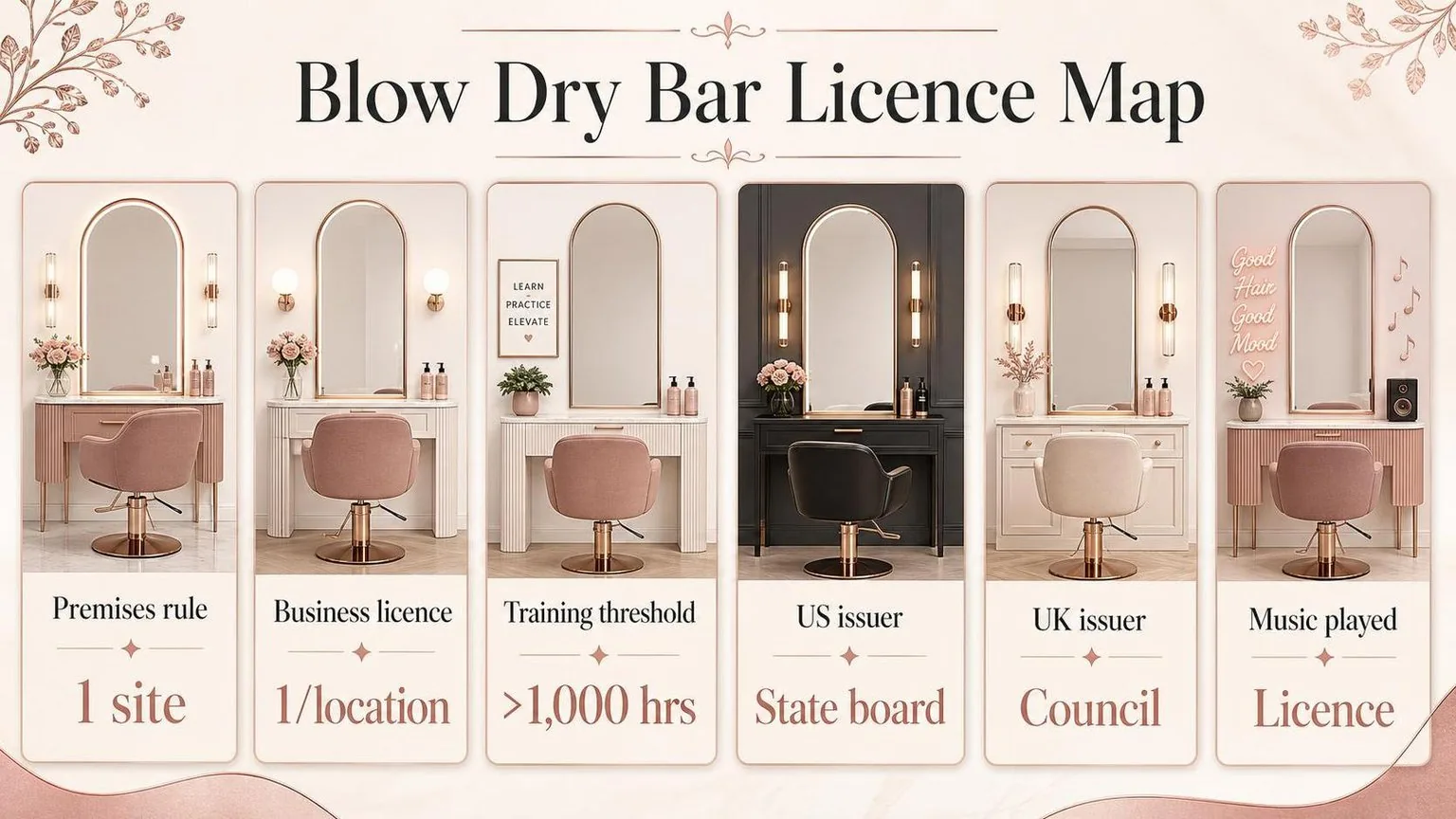
Build Your Licence List
Before you sign a lease or order backwash units, make a one-page licence checklist for your exact blow dry bar. Use the steps below and record the issuing office, fee, inspection trigger, and expected approval time.
- List every service. Write down blow dries, shampooing, styling with hot tools, updos, retail sales, drinks, extensions, colouring, or treatments. A blow dry-only menu may need fewer permissions than a salon offering chemical services.
- Map the premises. Note the address, floor area, number of chairs, wash points, dryers, staff room, retail shelving, and any external sign. Building, fire, signage, and accessibility checks often depend on the physical layout.
- Call 4 offices. Contact the city or council licensing team, cosmetology or salon regulator, tax authority, and building/fire department. Ask: “What licence applies to a blow dry bar at this address with this service menu?”
- Add operator permissions. For each stylist, record licence number, expiry date, and issuing board. If you play music, add PRS/PPL in the UK or the relevant US rights bodies before speakers go on.
- Set a deadline buffer. Allow at least 30 to 90 days for applications, inspections, corrections, and certificates. Do not book opening week until the inspection sign-off and tax registration are confirmed.
Keep the checklist in a shared folder with leases, floor plans, equipment invoices, and staff records. Update it whenever you add chairs, change the menu, hire staff, install signage, or start selling retail products.
The Figures Behind It
A blow dry bar usually needs business registration, local trading approval, tax registration, insurance, and premises compliance.
Whether it also needs a cosmetology or hairdressing licence depends on the jurisdiction and whether staff only wash, dry, and style hair without cutting, colouring, or chemical services.
The issuing authority is not one single office. In the US, it is typically split between the state cosmetology board, city or county business licensing office, tax department, and fire or building department.
In the UK, it is usually the local council, HMRC, insurer, and landlord-facing premises regulators.
| Licence or approval | Who usually issues it | Numbers that matter |
| Cosmetology, barbering, or hairdressing licence | US state board of cosmetology or barbering | Training thresholds commonly sit in the high hundreds to over 1,000 clock hours, depending on state and licence type |
| Salon or shop licence | US state board, sometimes with local inspection | Often required even where every stylist already holds an individual licence |
| General business licence | City, county, borough, or state business office | Usually 1 licence per trading location, not per chair |
| Sales tax or VAT registration | State revenue department, HMRC, or equivalent tax authority | Triggered by local tax rules, taxable retail sales, or turnover thresholds |
| Special treatments licence | UK local council, where applicable | May be required if services go beyond blow drying into regulated beauty treatments |
| Music licence | US performing rights organisations or UK music licensing body | Needed when recorded music is played to clients or staff in the salon |
The key operational number is “1 premises, multiple permissions.” A single blow dry bar can need separate approvals before the first client sits down, even when the service menu is limited to shampoo, blow dry, brush work, irons.
And finishing product.
In practical compliance checks, inspectors look at people, premises, and process.
That means licensed staff where required, a licensed shop where required, and clean, documented working methods for towels, tools, product storage, ventilation, electrical safety, and waste.
- US salons: confirm the state board’s definition of shampooing, blow drying, thermal styling, and natural hair styling before assuming a licence exemption applies.
- UK salons: check the local council’s licensing page, because “hairdressing” itself may not be licensed everywhere, while premises, signage, waste, music, and beauty treatments can be.
- Retail sales: product shelves can create tax registration duties even if the styling service itself is treated differently.
- Chairs and sinks: adding stations can trigger planning, occupancy, plumbing, or inspection questions before it changes staffing needs.
Primary sources to check are the state cosmetology board, city or county clerk, state tax department, local fire marshal, UK local council, HMRC, and the salon’s insurer.
Trade associations can explain norms, but they do not issue the legal permission to trade.
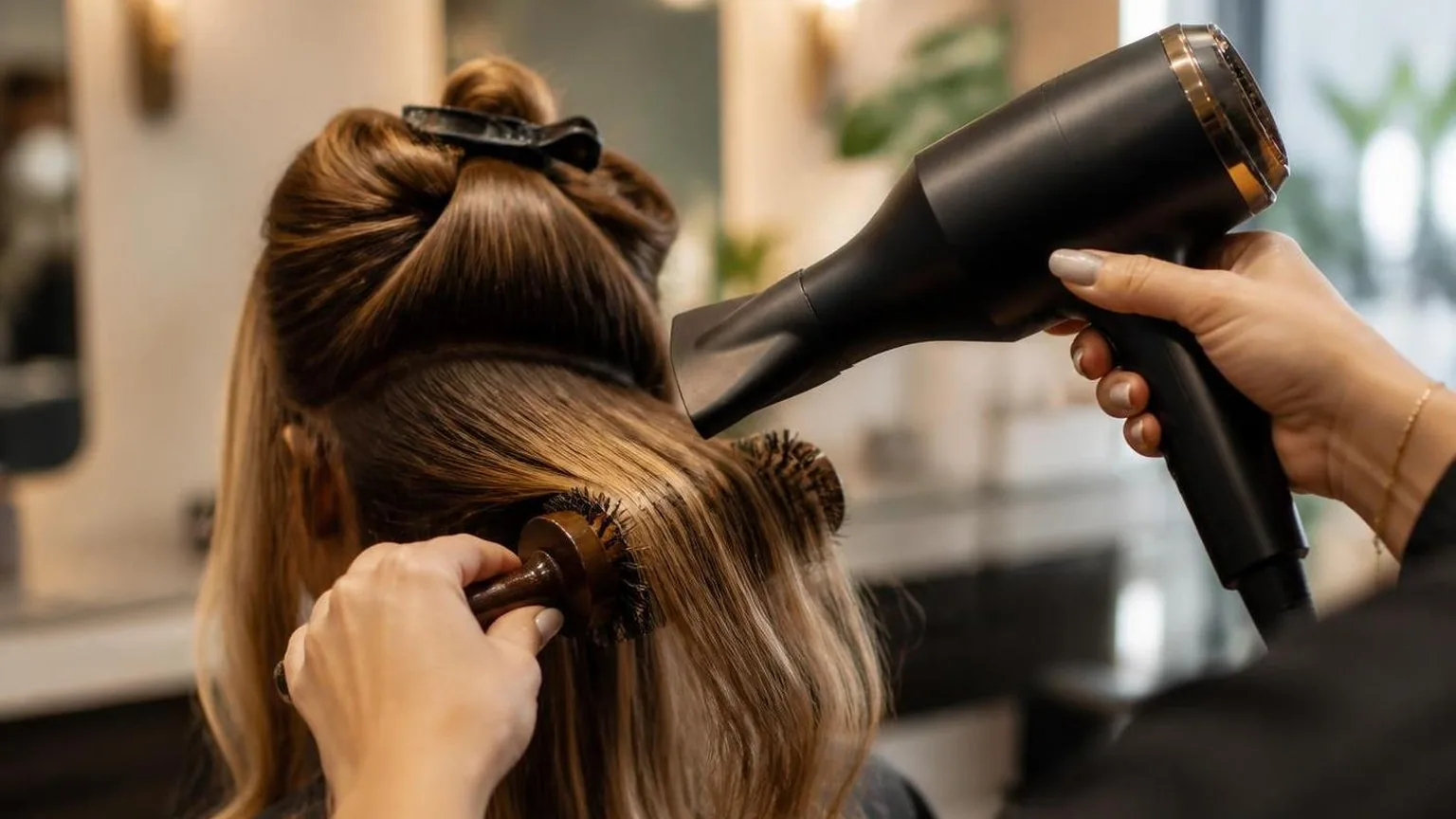
The Variables That Matter
The licence stack changes mainly with location, service menu, staffing model, and what happens on-site beyond styling.
A blow dry bar that only shampoos, dries, and styles may still need premises, practitioner, tax, music, retail, and safety approvals from different issuing bodies.
In the US, the deciding authority is usually the state cosmetology or barbering board.
In the UK, there is no single national salon licence; requirements are set by local councils, HMRC, insurers, landlords, and specific regulators for activities such as music or alcohol.
Service menu
The more your menu moves beyond washing and heat styling, the more likely you are to trigger practitioner licensing, establishment licensing, and inspection.
Do not assume “no cutting” means “no cosmetology rules”; many US state boards regulate shampooing and styling inside a licensed salon setting.
| Activity | Likely issuer or regulator | What changes |
| Blow dries, shampoo, heat styling | US state cosmetology board; UK local council may still regulate premises | Salon/shop registration, sanitation rules, inspections |
| Make-up as add-on service | State board or local council, depending on jurisdiction | May require separate practitioner permission or hygiene controls |
| Retail hair tools and products | State revenue department, HMRC, local trading standards | Sales tax or VAT setup, product labelling compliance |
| Serving alcohol | State alcohol board or UK local licensing authority | Alcohol premises licence or temporary event permission |
| Playing commercial music | US performing rights organisations; UK PPL PRS | Public performance music licence |
Premises and layout
A fixed salon usually faces more checks than a chair rental, pop-up, or mobile service.
Local officials may look at handwashing access, ventilation, electrical load, fire exits, occupancy, signage, waste storage, and whether the address is approved for personal services.
| Premises type | Common issuing body | Typical trigger |
| High-street blow dry bar | City, county, borough, or district council | Business licence, planning or zoning, fire inspection |
| Salon inside another retailer | State board and local authority | Separate licensed area, shared facilities approval |
| Mobile styling service | State board or local council | Mobile business registration, local trading consent |
| Home-based studio | Local planning or zoning office | Home occupation permission, parking, neighbour impact |
People doing the work
Licensing can attach to the business, the premises, and the individual stylist.
In many US states, every person performing regulated services must hold an active cosmetology, barbering, or specialty licence, while the shop itself holds a separate establishment licence.
- Employees: expect payroll tax registration, workers’ compensation where required, and workplace safety compliance.
- Independent contractors: the licence issue does not disappear; check chair-rental rules, insurance, and who is responsible for sanitation records.
- Apprentices or trainees: many boards restrict what they can do, who supervises them, and where hours may be logged.
Local extras that catch owners out
Small operational choices can create extra permissions.
Pavement signs, exterior fascia, late trading hours, card-only tipping systems, CCTV, staff uniforms, and client photography may involve separate local, employment, tax, or data-protection obligations.
The practical test is simple: map each revenue line and each physical activity to an issuing body before opening.
A clean blow dry bar launch usually starts with the state board or local council, then adds tax, music, alcohol, signage, employment, and insurance checks.
How to Judge It on Real Hair
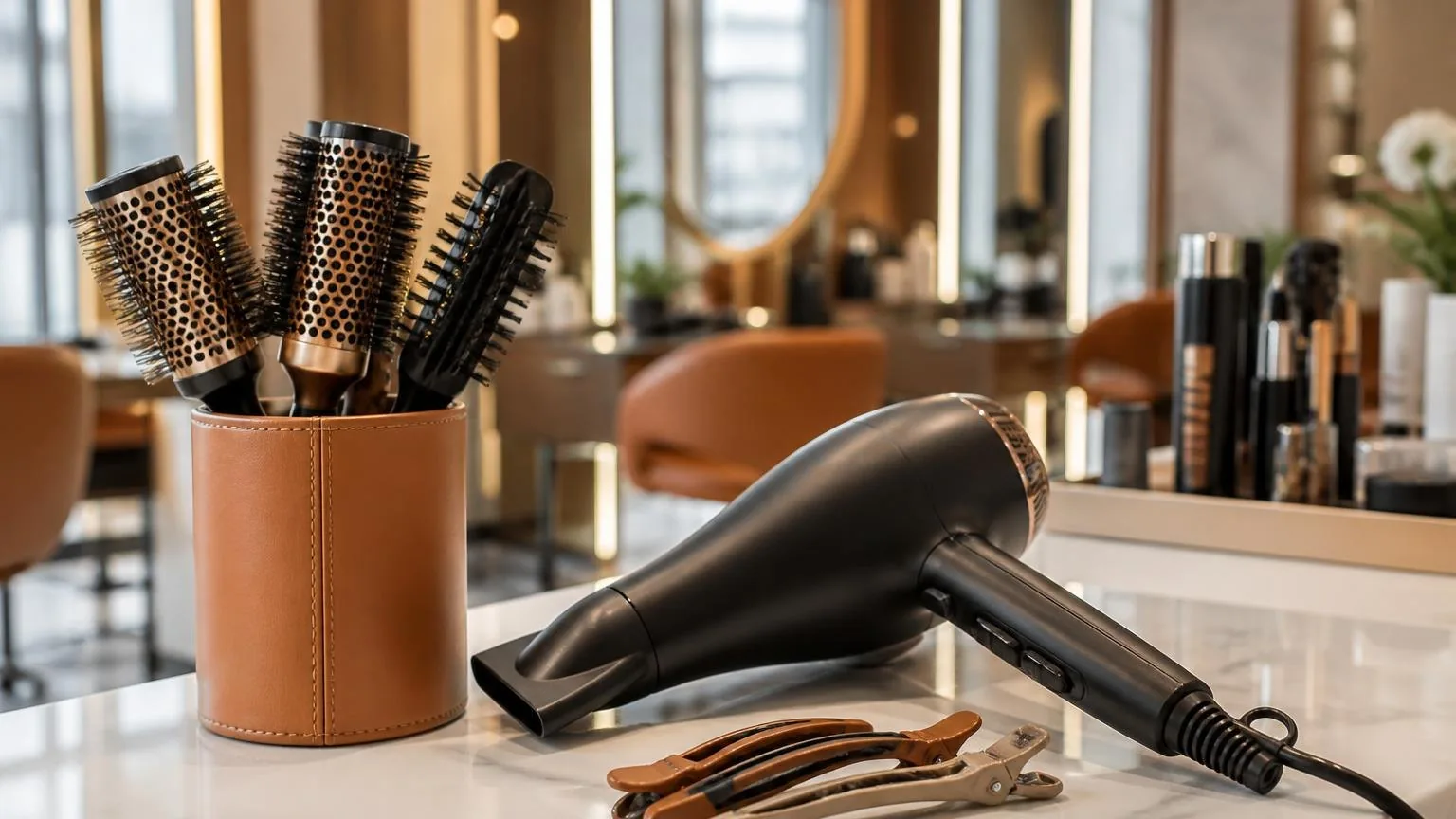
Judge licences by watching what happens to a client from reception to checkout. The permit set is driven by services performed on hair, products sold, staff status, premises use, music, signage, and local waste rules.
Start with the service menu, not the shop name.
A “blow dry bar” that only shampoos, dries, brushes, irons, and styles may still fall under cosmetology or hairdressing regulation, depending on the state board or UK local authority interpretation.
For the US, verify requirements with the state cosmetology board, city or county business licensing office, state revenue department, and fire or building department.
In the UK, check the local council, HMRC, PRS for Music and PPL, and the planning authority.
| Real-hair activity observed | Licence or registration to check | Typical issuer |
| Shampoo, blow-dry, brush styling, hot-tool finishing | Salon establishment licence and individual cosmetology or hairdressing licence, where required | State cosmetology board or local council |
| Cutting fringe pieces, trimming ends, razor detailing | Cosmetology, barbering, or hairdressing authorisation | State board or local council |
| Retailing brushes, sprays, shampoos, clips, gift cards | Sales tax permit, seller’s permit, VAT registration where threshold applies | State revenue department, HMRC |
| Using amplified playlists in the salon | Public performance music licence | ASCAP, BMI, SESAC, GMR, PRS for Music, PPL |
| Employees washing, drying, cleaning, or taking payment | Employer tax registration and workplace compliance | IRS, state labour agency, HMRC, local authority |
| Illuminated fascia, pavement sign, window graphics | Sign permit or advertising consent | City, county, borough, or district council |
Use a chair-side audit. Pick one ordinary appointment and list every regulated action: wet service, tool use, product sale, card payment, music playing, towel laundering, waste removal, and staff supervision. Each action should map to an issuer.
| Audit point | What to verify on-site |
| Licence display | Business licence and practitioner licences are posted or immediately producible, as the issuing authority requires |
| Service boundary | Menu language matches authorised work, with no unlicensed cutting or barbering if not covered |
| Tool station | Clean brush storage, hot-tool handling, towel workflow, and electrical safety match board or council rules |
| Checkout | Receipts show the legal trading name, sales tax or VAT treatment, and correct retail handling |
| Premises | Occupancy, signage, fire safety, and planning use fit the location approval |
Do not rely on a landlord, franchisor, or neighbouring salon for the answer. The controlling source is the issuing authority, and requirements can change by city line, county line, devolved nation, and service scope.
The cleanest test is this: if a stylist touches a paying client’s hair, the bar sells anything, employs anyone, plays music, or changes the shopfront, confirm the specific permission before trading.
Where the Alternatives Win and Lose
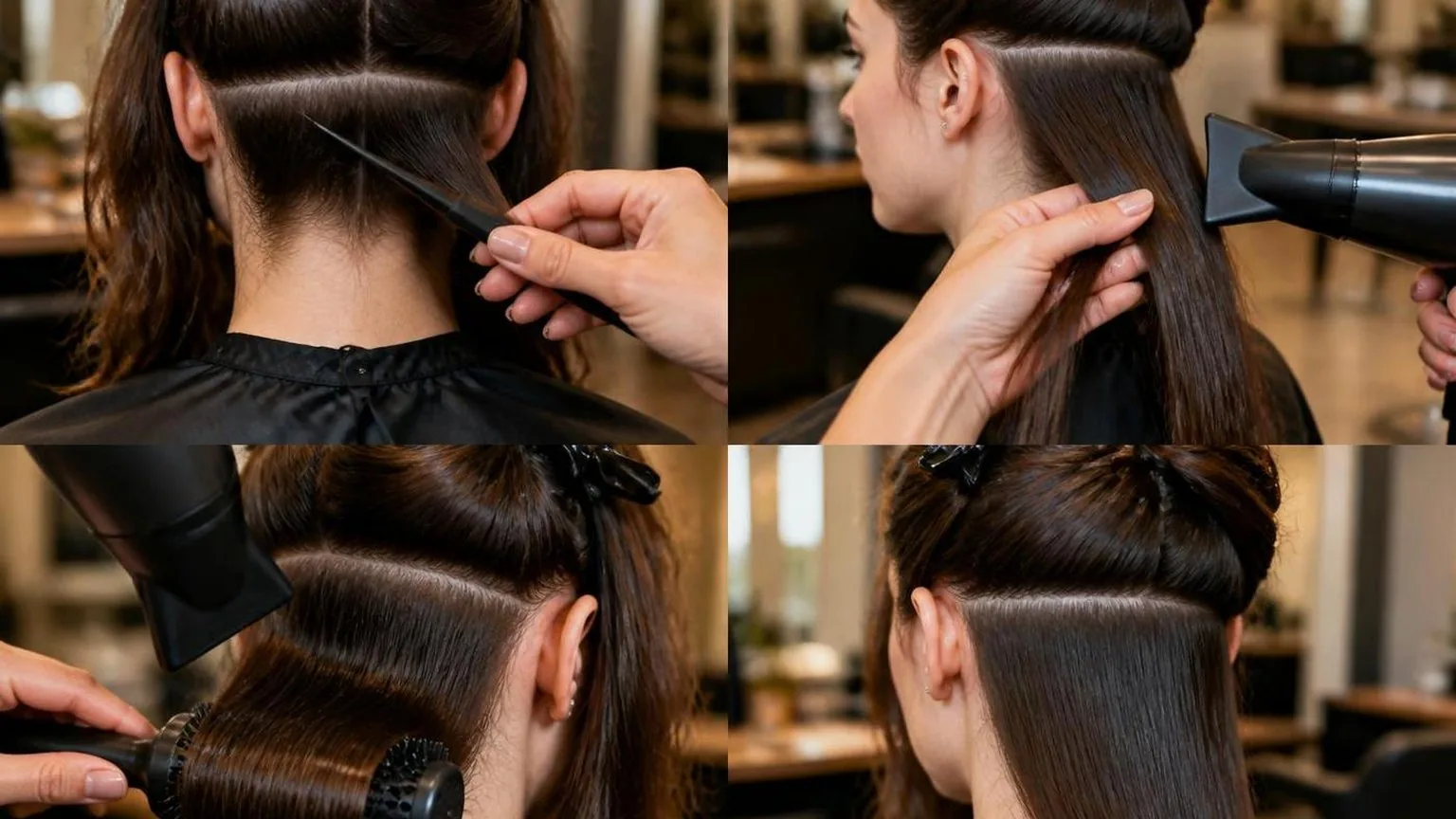
A blow dry bar usually sits between a retail service business and a licensed beauty salon.
Compared with a full-service salon, it can avoid some chemical-service controls, but it still needs premises approval, cosmetology or hairdressing licensing, tax registration, and local business permits.
The key difference is scope. If the menu is wash, blow-dry, styling, braids, updos, and tool work, regulators still treat it as professional hair service in most US states and UK local authorities.
| Model | Who usually issues approval | Typical licensing burden |
| Blow dry bar | State cosmetology board in the US; local council registration or special treatment licensing in parts of the UK | Business licence, salon/shop licence where required, licensed operators, occupancy, sales tax or VAT registration where applicable |
| Full-service hair salon | Same core authorities, plus tighter controls where colour, perms, or other restricted services are offered | Highest hair-service burden because the service menu is broader and inspections cover more equipment and storage areas |
| Mobile stylist | State board or local council, depending on territory; local business authority for trading permission | Often needs a personal licence plus mobile or off-site service approval; some jurisdictions restrict where services may be performed |
| Chair or booth rental | State board, tax authority, and premises licence holder | Both the salon and individual renter may need separate registration; tax status is scrutinised more closely |
| At-home styling business | Local zoning or planning authority, state board or council, tax authority | Can trigger home occupation rules, signage limits, parking rules, and separate hygiene inspection |
In the US, the issuing body is commonly the state board of cosmetology or barbering.
California’s Board of Barbering and Cosmetology, New York’s Department of State, and Texas’s licensing department all regulate salon premises and individual operators.
For a blow dry bar, check whether the state has a narrower “shampoo,” “hair styling,” or “natural hair” category. Some states still require a full cosmetology licence for any paid styling performed on the public.
In the UK, there is no single national hairdressing licence.
The practical comparison turns on local rules: the council may require premises registration, a special treatments licence for defined services, planning consent, and compliance with health and safety duties.
- Compared with a full salon: fewer service categories, but the same need for safe electrical equipment, clean water access, towels, waste handling, and public liability cover.
- Compared with mobile work: a fixed blow dry bar is easier to inspect, but rent, occupancy approval, fire safety, and signage permissions add obligations.
- Compared with chair rental: the operator controls the licence environment, appointment system, hygiene standards, and staff files rather than relying on another salon’s premises licence.
- Compared with at-home work: a commercial unit avoids many neighbour, parking, and home-business restrictions, but it normally faces more formal inspections.
The safest setup is to map every service on the menu to the issuing authority before opening. A 30-minute updo, a 45-minute blowout, and a bridal trial may be treated the same legally if they are paid hair services.
Protecting the Hair While You Work
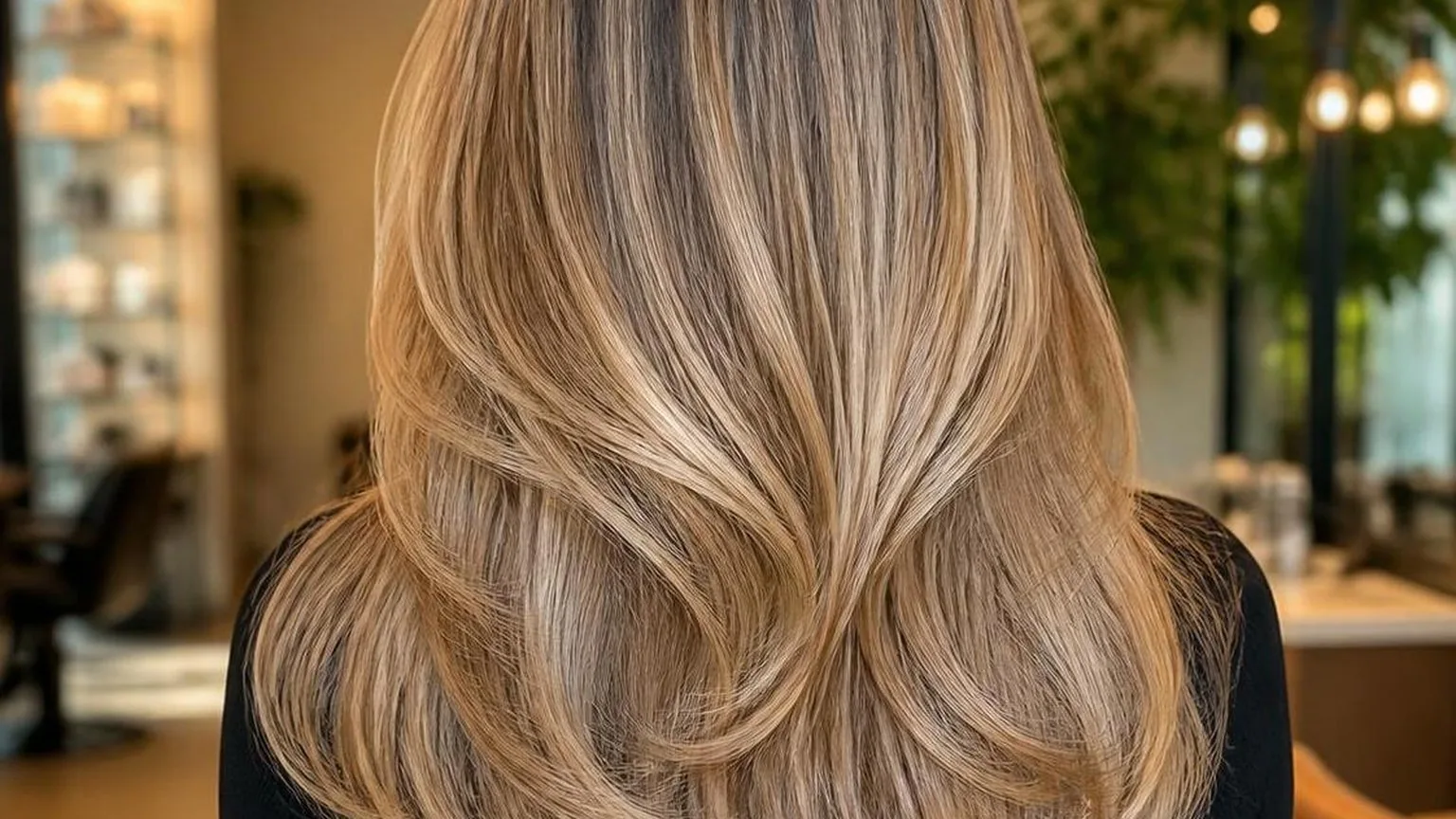
Licensing bodies rarely prescribe a blowout temperature, but they do expect services to be performed safely, hygienically and within the operator’s training.
Heat and brush tension are therefore a practical compliance issue: they affect whether a blow dry bar can show competent, non-damaging practice.
In the US, state cosmetology boards usually issue salon or establishment licences and individual cosmetology licences.
In the UK, local councils may license hairdressers under local registration schemes, while insurers and training providers often set the practical standard expected behind the chair.
Working heat ranges that are defensible
Hair fibre is keratin-based. Published cosmetic science texts describe heat damage as cumulative, with risk rising as temperature, contact time and mechanical stress increase together.
A blow dry bar should set house rules for dryer distance, nozzle use and brush tension, then train to them.
| Service situation | Practical setting | Why it matters |
| Fine, fragile or light-density hair | Low to medium airflow; avoid direct nozzle contact | Less fibre mass heats faster, so lower output gives more control |
| Medium-density hair | Medium heat; keep dryer moving continuously | Balances drying speed with reduced hot-spot risk |
| Coarse or high-density hair | Medium to high airflow; work in smaller sections | Airflow and sectioning do more work than pressing heat into the hair |
| Round-brush finishing | Hold each section under tension for seconds, not prolonged passes | Repeated high-tension reheating weakens the finish and can roughen the cuticle |
For policy purposes, write “tool used according to manufacturer instructions” into the service protocol. That matters because dryers, hot brushes and irons vary by wattage, sensor design and plate temperature.
Do not invent one universal maximum if the appliance manual says otherwise.
Section size, distance and tension controls
| Control point | Salon standard to train |
| Section width | About the width of the brush barrel, not wider |
| Section depth | Thin enough for airflow to pass through without reheating the same area repeatedly |
| Nozzle distance | Keep the concentrator off the hair; do not press it onto the brush |
| Brush tension | Firm enough to smooth, never enough to drag the client’s head or snag ends |
| Cooling | Use a cool shot before releasing a shaped section |
Licensing inspectors are more likely to check sanitation, licence display, premises rules and safe equipment than your exact styling pattern.
Still, a written heat-and-tension procedure helps prove competent practice if a client complains about breakage after a service.
- Keep dryer filters clean, because blocked airflow makes tools run hotter and perform worse.
- Remove brushes with cracked barrels, missing bristles or rough seams that can catch hair.
- Train assistants to rough-dry with fingers before round-brush work, rather than stretching saturated hair under high tension.
- Record staff training on tool use, sectioning, consultation and manufacturer safety instructions.
For a blow dry bar, the licence comes from the board or local authority, but the standard of care is built at the station.
Heat settings, hand position and brush tension should be taught, observed and corrected like any other regulated salon practice.
What the Method Actually Changes
Licences split into two buckets: permission for the business to operate, and permission for licensed people to perform paid blow-dry services.
The bottleneck is usually not the styling work. It is confirming which authority issues each approval, because business, premises, tax, fire, and professional rules can sit with different bodies.
Standard due diligence means checking requirements against state cosmetology boards, local city business offices, fire departments, and sales tax agencies.
Each authority controls a different part of daily operation, from who may style hair to whether the premises may trade.
| Licence or registration | Who usually issues it | What it controls in practice |
| Salon or shop licence | State cosmetology board, barbering board, or combined professional licensing agency | The premises, sanitation set-up, covered waste bins, tool storage, and display of licences |
| Individual cosmetology or hair licence | State board or UK local authority-recognised professional route, depending on jurisdiction | Whether the person holding the dryer and brush could legally provide paid styling |
| General business licence | City, county, borough, or local council | Trading name, address, owner details, and local operating permission |
| Sales tax or VAT registration | State revenue department, HMRC, or equivalent tax authority | Retail product sales, service receipts, and till categorisation |
| Fire, occupancy, or premises approval | Fire marshal, building department, or local council | Exit access, extinguisher placement, electrical loading, and maximum occupancy |
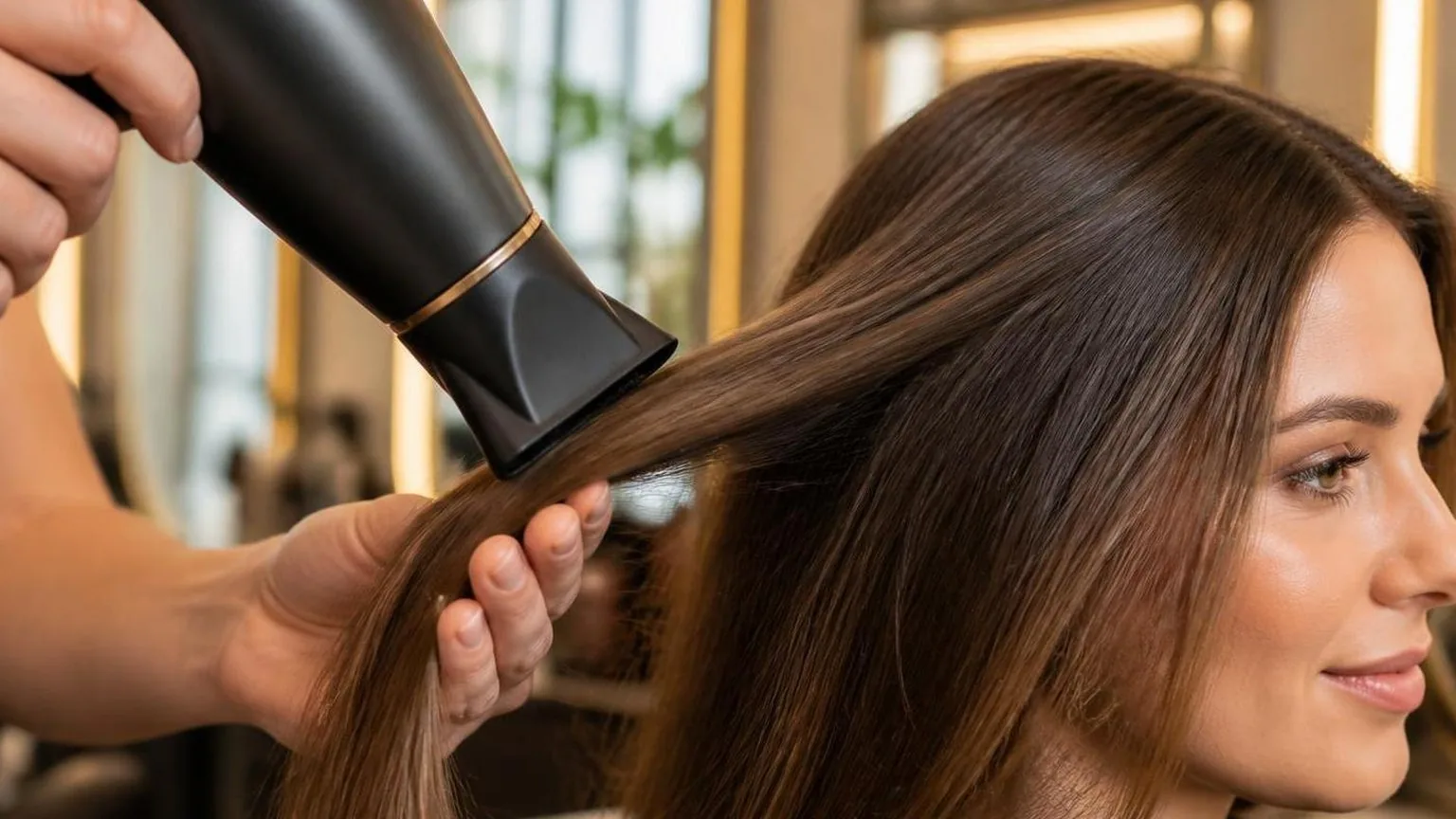
On the styling floor, licence checks do not change the mechanics of a blow-dry. Straight, wavy, and coily hair are still worked with clean round brushes, concentrator nozzles, and dryers set between medium and high airflow.
| Variable | Working range |
| Section width | 1 to 2 inches |
| Nozzle distance | 3 to 5 inches from the hair |
| Passes per section | 2 to 4 controlled passes |
| Repeat trials | 3 services per hair type |
| Brush barrel range | 1.25 to 2.5 inches |
Those working ranges matter because they control airflow, tension, heat exposure, and finish. Smaller sections dry more evenly. A 3 to 5 inches nozzle distance helps direct airflow without crowding the hair.
Controlled passes support polish and consistency.
The licensing issue appears before the first section is clipped. In states that require a salon licence, the service location matters as much as the stylist’s personal licence.
A licensed stylist could not automatically make an unlicensed room compliant.
“No cutting or colour” does not remove the need to check cosmetology rules. Several boards define shampooing, drying, arranging, dressing, or styling hair as regulated work when done for payment.
- US operators: start with the state cosmetology or barbering board, then confirm city business licensing, sales tax registration, occupancy, signage, and fire requirements.
- UK operators: check the local council first for business rates, premises rules, waste, music licensing, planning use, and any local hairdressing registration scheme.
- Mobile blow-dry services: verify whether the licence follows the practitioner, the premises, or both, because rules vary sharply by jurisdiction.
The practical takeaway is simple: style timing is predictable, but licensing is location-specific.
The safest workflow is to map the exact services offered, then ask each issuing body in writing whether blow-drying for payment triggers its licence category.
Where It Usually Goes Wrong
Most licensing mistakes come from treating a blow dry bar as “just styling.” In the US, state cosmetology boards usually decide who may shampoo, blow dry, or style for pay, while cities, counties, fire departments.
And revenue agencies often issue separate operating approvals.
In the UK, the picture is more local: councils can control salon registration, special treatment licensing, planning use, waste, signage, and health and safety enforcement. A blow dry-only menu does not automatically remove those duties.
Myth: “No cutting or colour means no cosmetology licence”
This is the most expensive assumption. Many US state boards define cosmetology or hairstyling to include shampooing, arranging, dressing, curling, waving, or drying hair for compensation.
The exact words matter, so owners should read the board’s statutory definition before hiring.
| Activity | Typical licensing issue | Who commonly checks it |
| Shampoo plus blow dry | Often treated as regulated hair service in many US states | State cosmetology or barbering board |
| Dry styling only | May still be regulated if “arranging” or “dressing” hair is covered | State board or local inspector |
| Retail-only hair tools | Usually general business and sales tax compliance | City, county, or tax authority |
Myth: “One licence covers the whole bar”
A compliant blow dry bar often needs more than one approval. A salon establishment licence is different from an individual stylist licence.
A business tax registration is different from a fire inspection, and both are different from a landlord’s consent under the lease.
- US: expect state board licensing, local business registration, sales tax registration where applicable, occupancy approval, and fire-code review for exits, extinguishers, and electrical load.
- UK: check council registration or licensing rules, planning use class, employer’s liability insurance, music licensing if playing recorded music, and waste arrangements for commercial premises.
Myth: “Independent contractors bring their own compliance”
Contractors may hold personal credentials, but the premises still need the correct salon or business approvals.
Inspectors usually look at the site: posted licences, sanitation procedures, clean towel storage, tool disinfection, electrical safety, and whether licensed work is being performed by authorised people.
| Compliance item | Practical check |
| Licence display | Keep premises and practitioner licences visible where required |
| Hot tools | Provide heat-resistant mats for irons commonly used around 180°C to 230°C |
| Workstation spacing | Allow clear access so dryers, cords, chairs, and clients do not block exits |
| Records | Keep inspection reports, insurance certificates, and staff credentials on site |
Myth: “Mobile and pop-up blowouts are simpler”
Events can add permissions, not remove them.
Hotels, wedding venues, malls, and airports may require vendor approval, insurance certificates, portable appliance safety evidence, and proof that stylists are licensed for the jurisdiction where the service is performed.
The safest workflow is simple: identify the exact services, ask the issuing authority in writing, keep copies of replies, and train reception staff never to sell a service the licence does not cover.
Frequently Asked Questions
Do blow dry bars need a cosmetology or hairdressing licence?
Usually, yes. In the US, state cosmetology boards license salons and individual stylists; in the UK, hairdressing is generally not nationally licensed, but local councils may require salon registration depending on the area.
Who issues the business licence for a blow dry bar?
In the US, the city or county business licensing office typically issues the business licence. In the UK, Companies House handles company registration, while the local council may issue premises-related approvals.
Do I need a premises licence to serve drinks during appointments?
If alcohol is sold or included in a paid service package, a licence is usually required. In the UK, this comes from the local council; in the US, alcohol licensing is handled by the state alcohol control board or local licensing authority.
Who checks sanitation and salon safety requirements?
In the US, state cosmetology boards commonly inspect salon sanitation, tool storage, and workstation standards.
In the UK, local councils and Health and Safety Executive guidance shape workplace safety duties, including risk assessment, ventilation, and electrical equipment management.
Do blow dry bars need music licences?
Yes, if recorded music is played for clients or staff. In the US, licences usually come from performing rights organisations such as ASCAP, BMI, SESAC, or GMR; in the UK, businesses typically use TheMusicLicence from PPL PRS.
Do I need zoning approval to open a blow dry bar?
Often yes. Local zoning or planning rules decide whether a blow dry bar can operate at your chosen address, especially in retail, mixed-use, or home-based locations.
Do I need a sales tax permit for retail products?
Often yes if you sell brushes, sprays, or other products. Register with the state tax agency before collecting sales tax.
Are individual stylists required to hold their own licences?
In many places, each stylist must hold the required cosmetology or hairdressing credential. Keep copies on file and confirm renewal rules.
Do I need a sign permit for a blow dry bar storefront?
Many cities require approval for exterior signs, window graphics, or illuminated signage. Check local sign rules before ordering or installing signs.
Related Reading
- The types of salon insurance, and what each covers
- What a blow dry bar is, and how the model works
- How blow dry stylists are paid: the three structures
- How salon memberships work, and when they backfire
- How booth rental works, and who it suits
- The complete guide to the blow dry bar business
- U.S. Small Business Administration Licenses and Permits
- Occupational Safety and Health Administration
- GOV.UK Licence Finder
- California Board of Barbering and Cosmetology
- Electrical Safety First
- National Hair and Beauty Federation
- Texas Department of Licensing and Regulation
- Washington State Department of Licensing Cosmetologists