
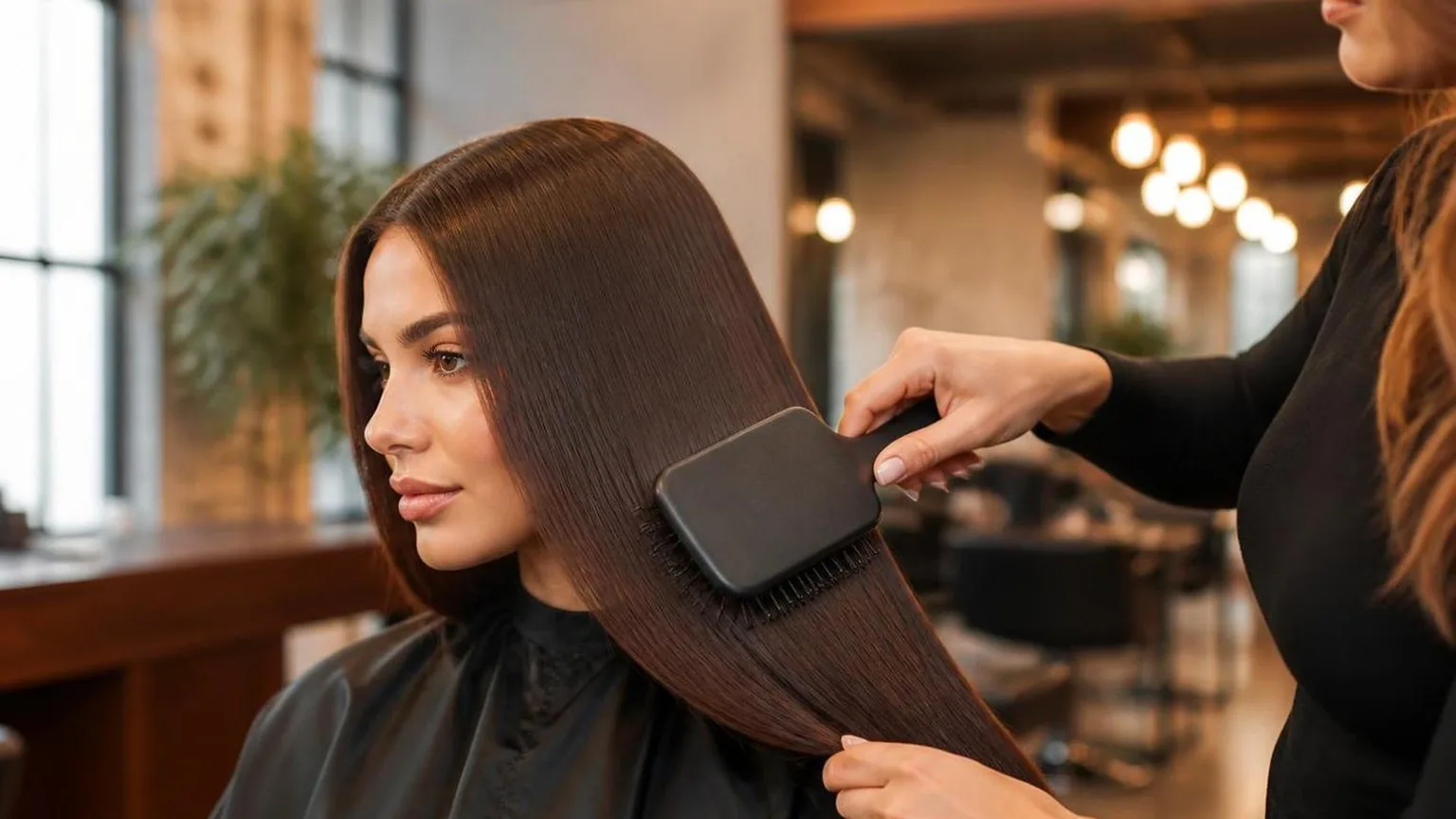
With 6–10 flat rows of widely spaced pins, the benefits of using a paddle brush are faster detangling, smoother tension, and a straighter finish on medium to long hair.
Its broad cushion covers more surface per stroke, so stylists can prep sections quickly before a blowout.
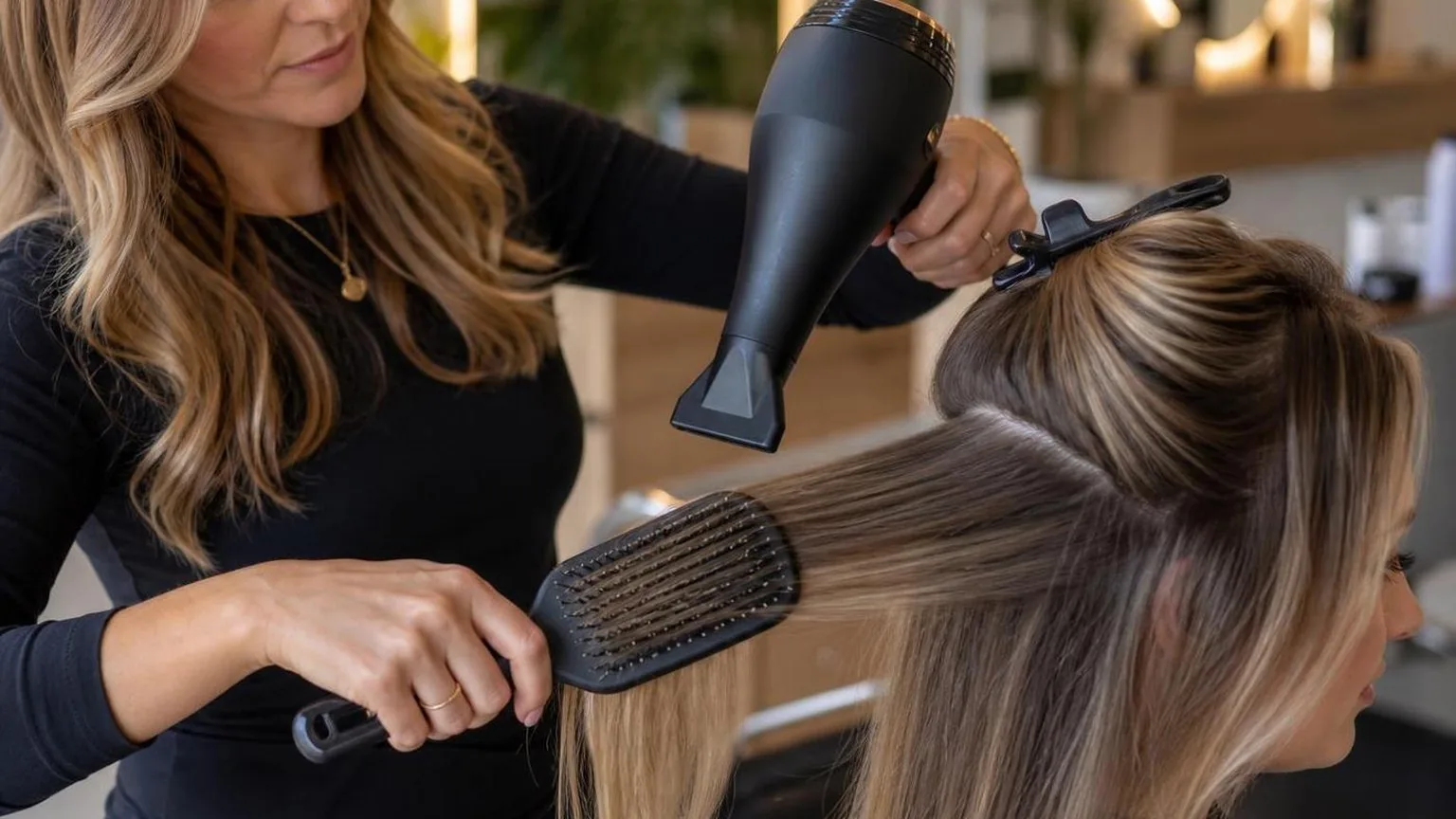
Use it on towel-dried hair at roughly 70–80% dry, working in 2-inch sections from ends to roots. Pair with a concentrator nozzle and medium heat to stretch hair evenly, reduce snagging, and create a polished base before round-brush shaping.
Match the Brush to the Finish
Use this quick check before buying another paddle brush or adding one to every station. Pick the row that matches your hair, client mix, or blow-dry goal. Then check the benefit, the brush size, and the working method.
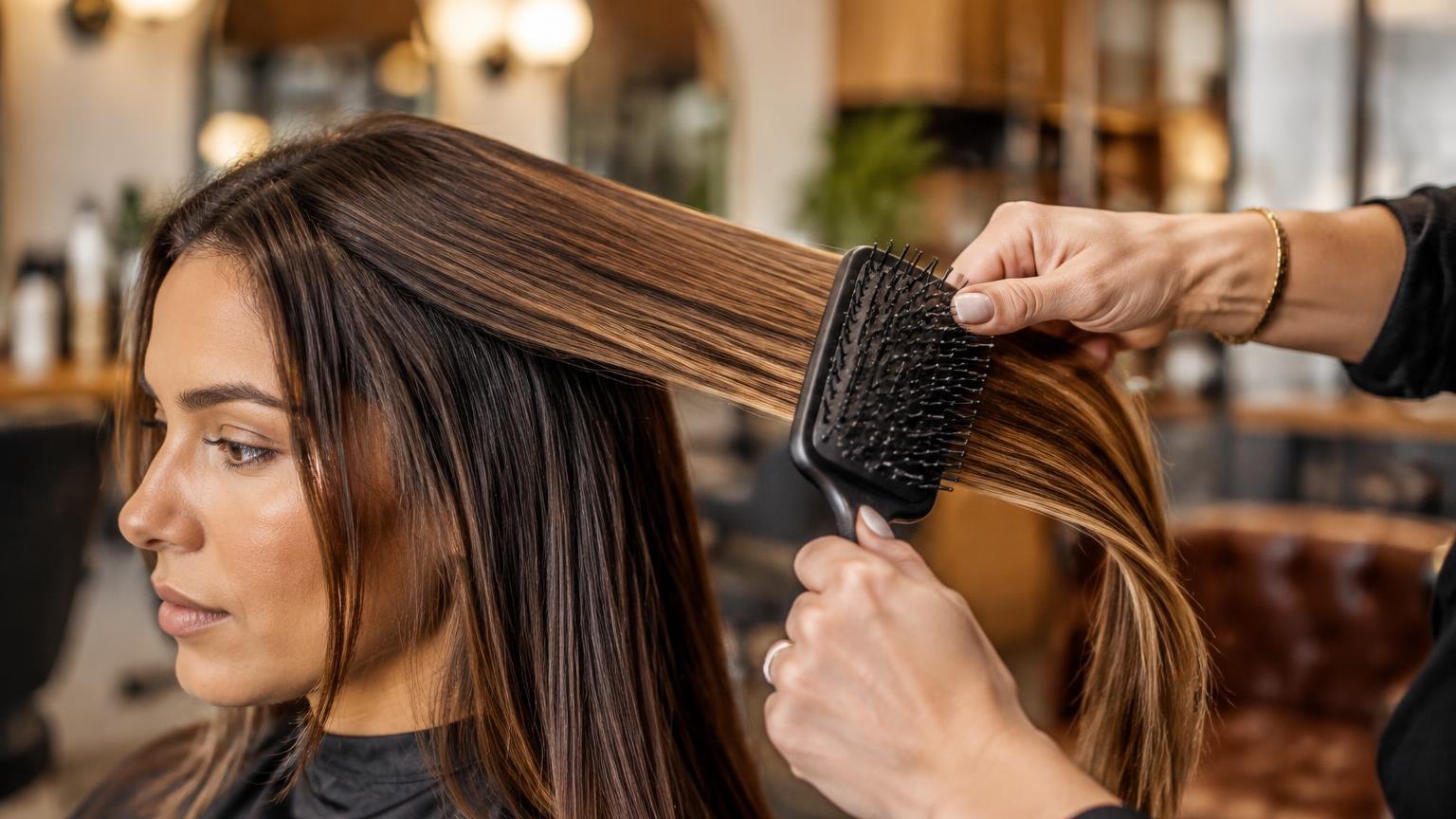
| If this is your starting point | Use this paddle setup | Main benefit | Work it this way |
| Fine to medium, straight to slight wave, shoulder length or longer | Flat paddle, 8-10 rows, cushioned base, width about 8-9 cm | Faster smoothing over large sections | Take 5-7 cm sections. Keep airflow 10-15 cm from hair. Brush from roots to ends with low to medium tension. |
| Dense hair that takes too long to dry smooth | Large vented paddle, width about 9-10 cm | Quicker drying because air moves through the brush | Pre-dry to about 70-80%. Then use 6 cm sections and keep the nozzle pointed downward. |
| Long hair prone to snagging during blow-drying | Flexible-cushion paddle with ball-tipped pins | Detangles and smooths with less drag | Start at the last 8-10 cm of length. Move upward in stages before taking full root-to-end passes. |
| Salon station doing sleek, straight finishes all day | Standard paddle plus nozzle dryer, nozzle width about 6-8 mm | Cleaner cuticle alignment and a flatter finish | Use medium heat for fine hair, medium-high for resistant hair. Finish each section with 3-5 seconds of cool air. |
If most of your answers sit in the first and fourth rows, a paddle brush earns its place for speed and polish. If your answers lean heavily toward tighter patterns or short layered cuts, the benefit drops and another brush shape may do more.
The Numbers That Matter Here
A paddle brush helps most when the goal is smooth, straight, fast drying over a broad section.
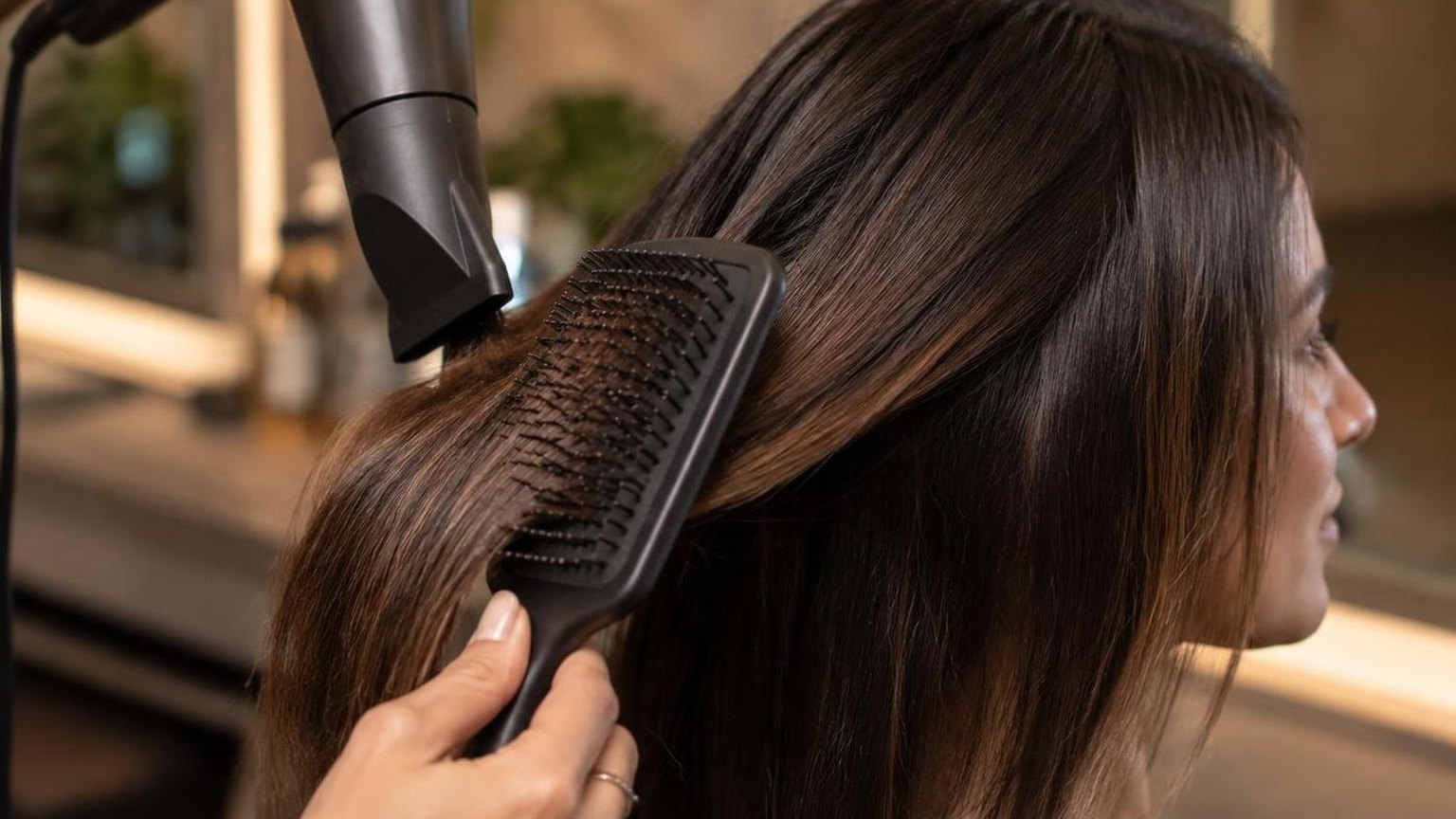
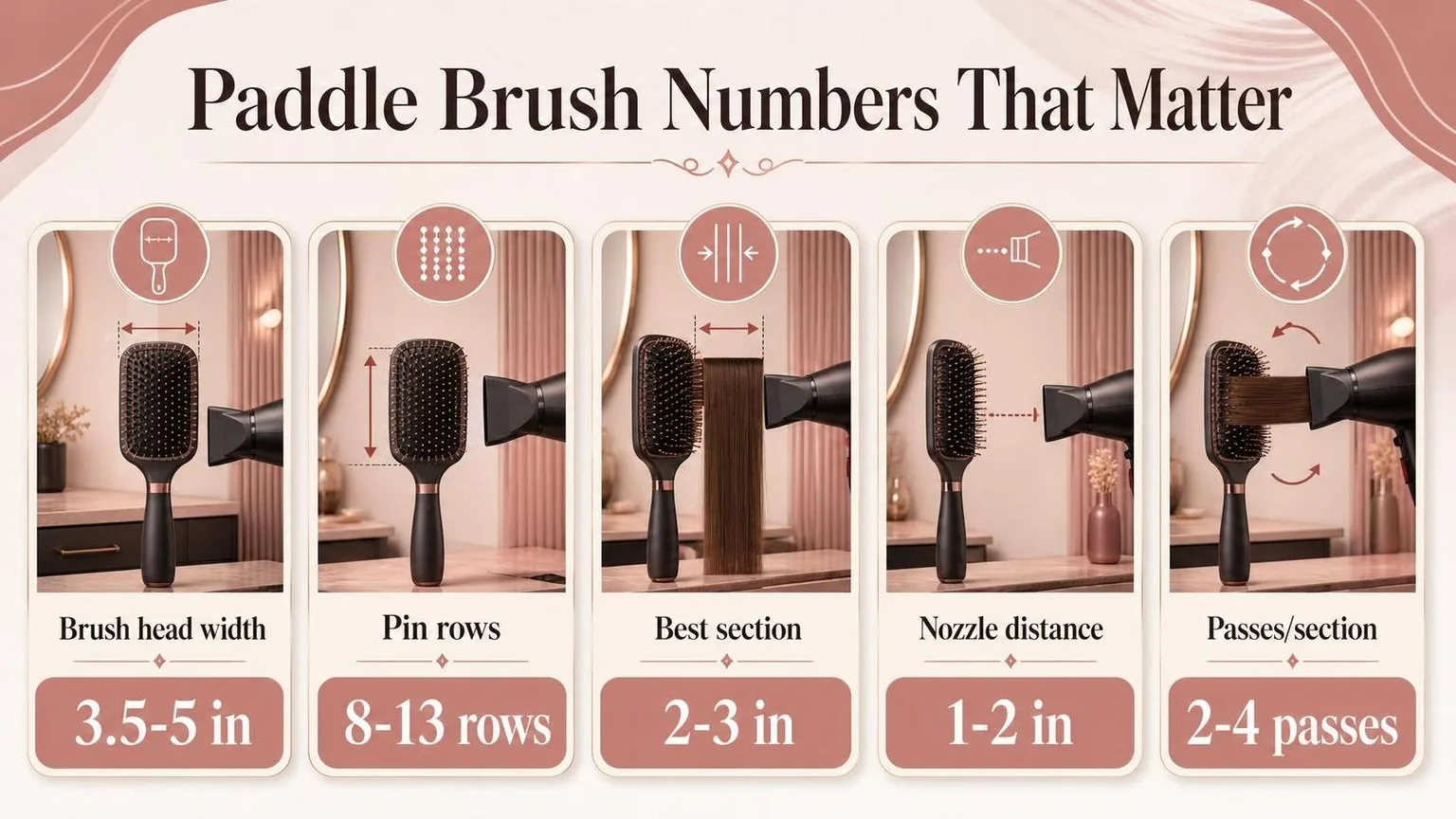
The numbers favor surface area: a flat brush head usually covers a 2- to 3-inch section at once, so you get fewer passes, less repeated heat, and more uniform tension from roots to ends.
That coverage is the practical advantage over smaller round styling tools. A paddle brush spreads airflow across more hair, keeps strands aligned, and supports a flatter finish rather than bend or root lift.
| Measure | Typical paddle-brush range | Why it matters |
| Brush head width | About 3.5 to 5 inches | Covers wider sections, so fewer brush placements are needed |
| Pin rows | Usually 8 to 13 rows | Distributes tension across a broad panel instead of one narrow ribbon |
| Best section width | About 2 to 3 inches | Matches the brush face, improving control and even drying |
| Nozzle distance from hair | About 1 to 2 inches | Keeps airflow concentrated without overworking one spot |
| Passes per section | Often 2 to 4 controlled passes | Enough to smooth while limiting unnecessary reheating |
On medium to long hair, section size drives speed. If a brush can control a 3-inch panel instead of a 1.5-inch panel, you cut the number of working sections roughly in half across the head.
That does not mean cutting corners. It means less repositioning, fewer repeated strokes, and more consistent tension from the top of the section to the ends.
The flat shape also changes the finish. A barrel creates curvature because hair wraps around a cylinder. A paddle brush keeps hair on a plane, so the result reads sleeker, with less bend through the mid-lengths.
| Finish goal | Paddle brush | Round brush |
| Straight, smooth blowout | Strong match | Possible, but slower on large sections |
| Root lift | Limited | Stronger |
| Bend at ends | Minimal to soft | Moderate to strong |
| Wide-panel control | High | Lower |
For home users, the most useful numbers are simple. Work with 2- to 3-inch sections, keep the dryer nozzle 1 to 2 inches away, and direct airflow down the hair shaft. That setup usually gives the cleanest cuticle alignment with the least fuss.
- Choose a wider paddle for medium to long hair and broad blow-dry sections.
- Use smaller sections if the hair is dense, coarse, or slower to dry.
- Pair the brush with a concentrator nozzle for better airflow control.
- Aim for 2 to 4 deliberate passes per section instead of constant brushing.
The numbers support one clear benefit: a paddle brush is efficient. More contact area plus flatter tension equals quicker smoothing and a straighter finish, especially when shine and polish matter more than volume.
Where the Difference Comes From
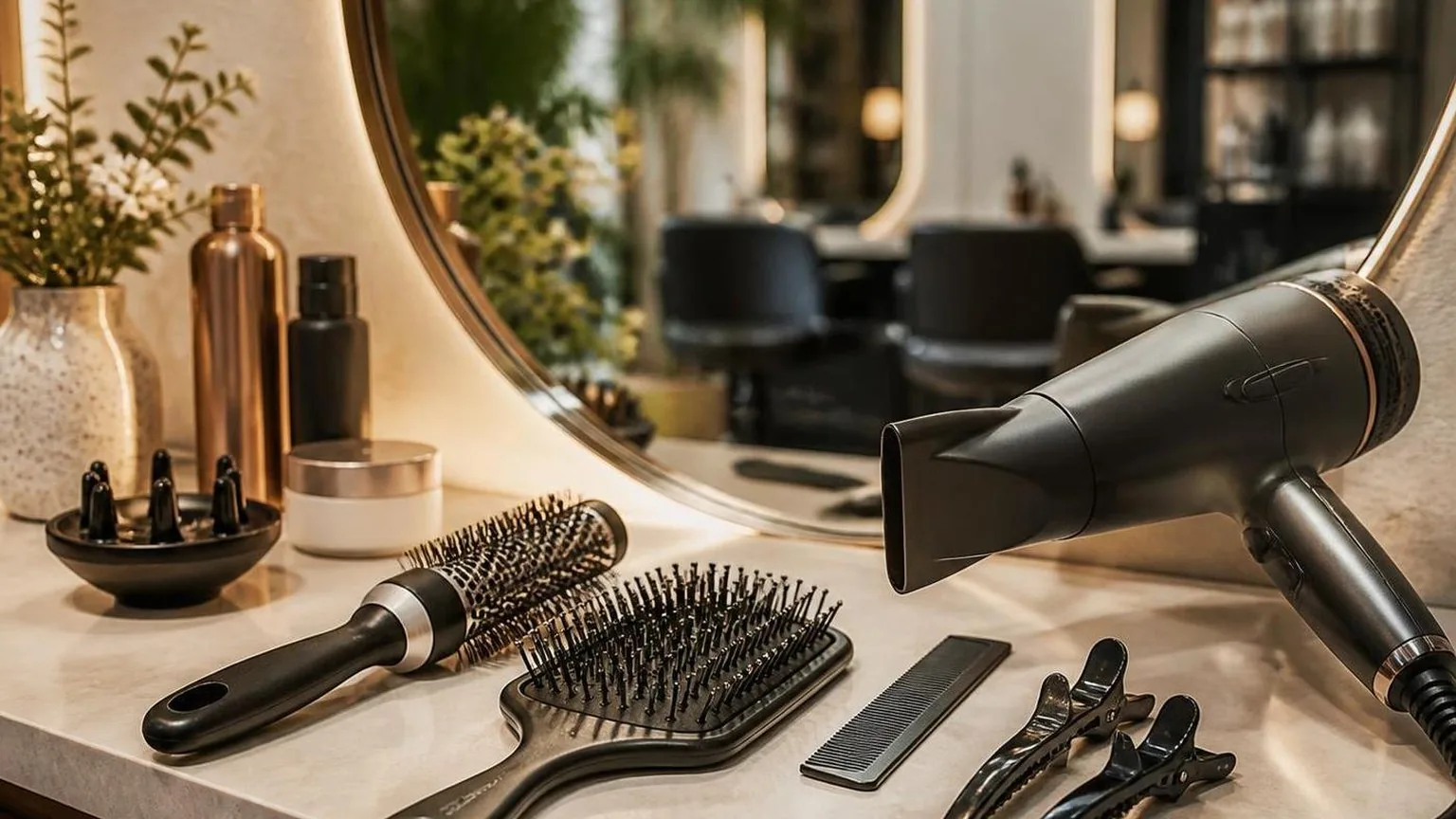
The paddle brush helps most when its size, bristle type, and heat pairing match the hair length and styling goal.
The result shifts from smooth and flat to polished with bend based on section width, airflow distance, and how much tension the brush can hold.
On medium to long hair, a wide paddle covers more surface in one pass, so you get faster drying and a straighter finish. On short layers or a fringe, that same width can over-stretch the section and blur shape at the ends.
Brush size sets the first limit. A full-size paddle, often around 8 to 9 inches long and 2.5 to 3.5 inches wide, works best on hair past the jawline. Smaller paddles give more control around the crown, hairline, and shorter perimeter pieces.
Bristle construction changes grip. Ball-tipped nylon pins separate dense hair and detangle quickly. Mixed bristles add more polish because they hold finer sections with steadier tension.
Too much flex reduces control, especially when the section is thicker than 2 inches.
| Factor | Best range | Effect on finish |
| Section width | 1.5 to 2 inches | Better airflow contact and cleaner tension |
| Section thickness | 0.5 to 1 inch | Reduces damp spots and repeat passes |
| Dryer distance | 1 to 2 inches from hair | Smoother cuticle lay without blasting the section apart |
| Nozzle width | About 2 to 3 inches | Keeps airflow aligned with the paddle surface |
Heat and moisture level matter more than force. Start shaping when hair is about 70 to 80 percent dry. If the section is wetter, the paddle drags and bends unevenly. If it is fully dry, you get less reset and more static.
Use medium heat for most smoothing passes. On finer hair, keep the dryer lower and move continuously.
On coarse or dense hair, use higher airflow with controlled tension, then finish each section with a cool shot for 5 to 10 seconds to lock alignment.
Technique changes the look at the ends. Pulling straight down gives the flattest finish. Slightly turning the wrist under in the last 2 inches adds a soft bevel. Over-rotating turns a paddle pass into an awkward bend instead of a clean line.
- Match the paddle width to the hair length and head area.
- Keep sections narrow enough for air to pass through evenly.
- Work root to ends with the nozzle parallel to the hair shaft.
- Use fewer, slower passes instead of fast repeated brushing.
Handle design also affects consistency. A brush that feels balanced through a 10 to 15 minute blowout keeps tension steady. If the handle twists in the hand, the section loosens, and the finish loses shine before you reach the ends.
What a Good Result Looks Like
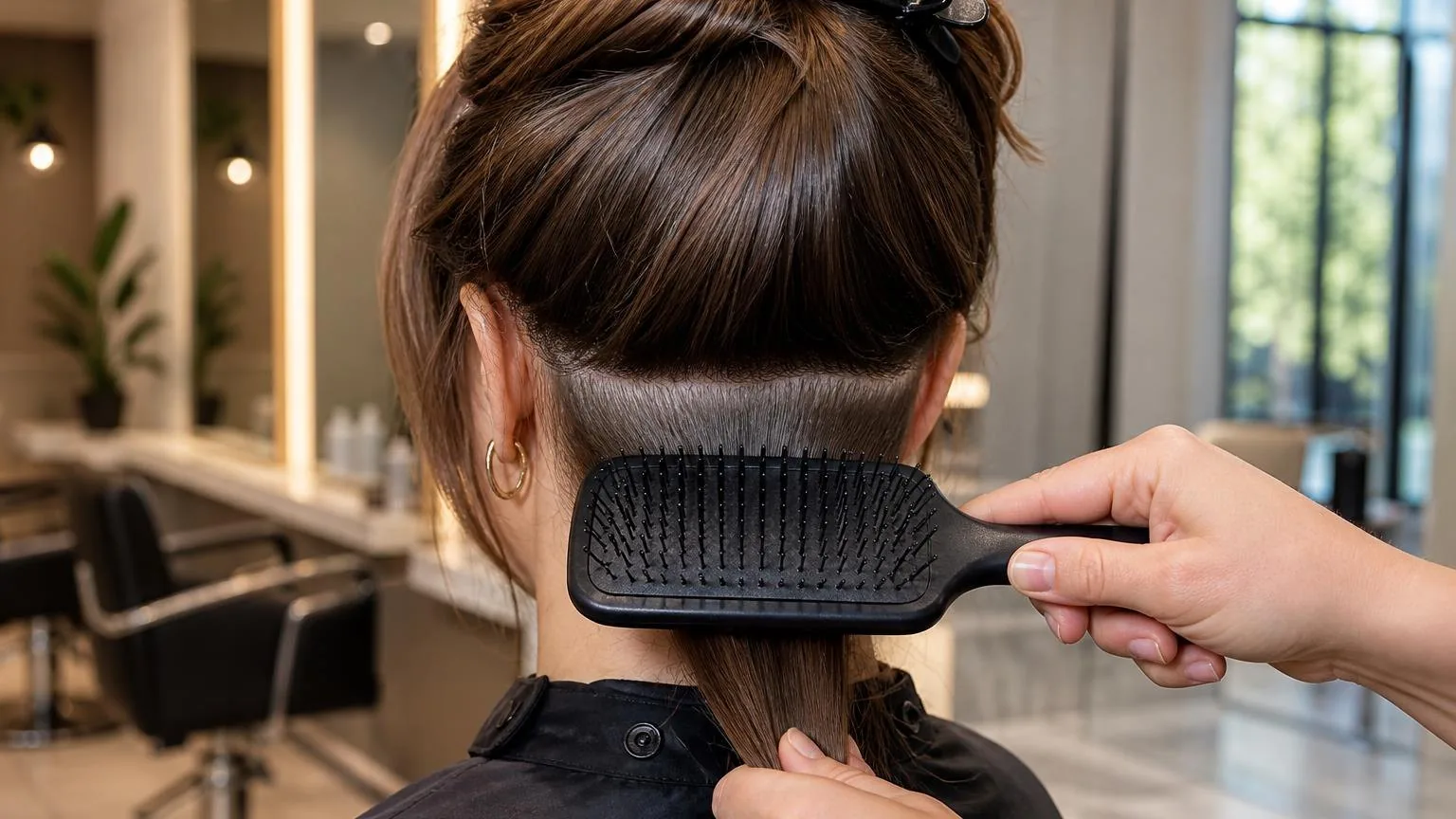
Judge a paddle brush by what it does on a real blow-dry: how fast it smooths, how evenly it tensions, and whether the finish stays flat without snagging.
A good one shortens your working time, keeps roots controlled, and leaves mid-lengths glossy with fewer passes.
Test it on clean, towel-dried hair that is partly air-dried first. Paddle brushes work best for straightening and smoothing, not for building bend at the root or a rounded undercurve on short layers.
| Check | What to test on hair | Good result | Poor result |
| Section width | Take a section no wider than the brush head | Hair stays flat across the full width | Edges spill off the brush and frizz |
| Section depth | Use shallow sections | Air reaches roots and underside evenly | Top dries first, underside stays damp |
| Dryness level before styling | Begin when hair is mostly dry | Brush glides and smooths fast | Hair stretches, sticks, and takes too many passes |
| Dryer distance | Keep nozzle close but not touching | Cuticle direction stays consistent | Hair blows apart and loses tension |
Watch the first three passes. On suitable hair, a solid paddle brush should detangle on the first pass, align the cuticle by the second, and give visible polish by the third when the airflow is aimed down the hair shaft.
Pay attention to tension at the roots. If the cushion collapses too easily, you lose control near the scalp. If it is too rigid, the brush can grab and scrape instead of flexing through dense sections.
| Useful working numbers | Target | Why it matters |
| Brush width | About 8 to 10 cm | Covers long sections quickly without creating curl |
| Section width | About 5 to 7 cm | Matches the head of most full-size paddle brushes |
| Hair dryness before brush work | About 70% to 80% | Reduces overstretching and speeds smoothing |
| Dryer nozzle distance | About 10 to 15 cm | Keeps tension without blasting the section apart |
| Typical nozzle heat on medium hair | Low to medium heat | Gives control and shine with less puffing |
Check static and shine after the final cool shot. A good paddle brush leaves the surface lying in one direction, with fewer flyaways and less separation through the ends than a vent brush or wide round brush.
- Best on medium to long hair, blunt cuts, and long layers.
- Less effective on short bobs, strong natural curl, or styles needing lift.
- Look for tipped bristles that detangle without scratching.
- A broad, flat base should speed the service on one-length hair.
If you need a fast salon test, time one side against your usual brush on the same head. The better paddle brush gives smoother roots, flatter mids, and calmer ends with fewer repeated passes.
Side by Side With the Options
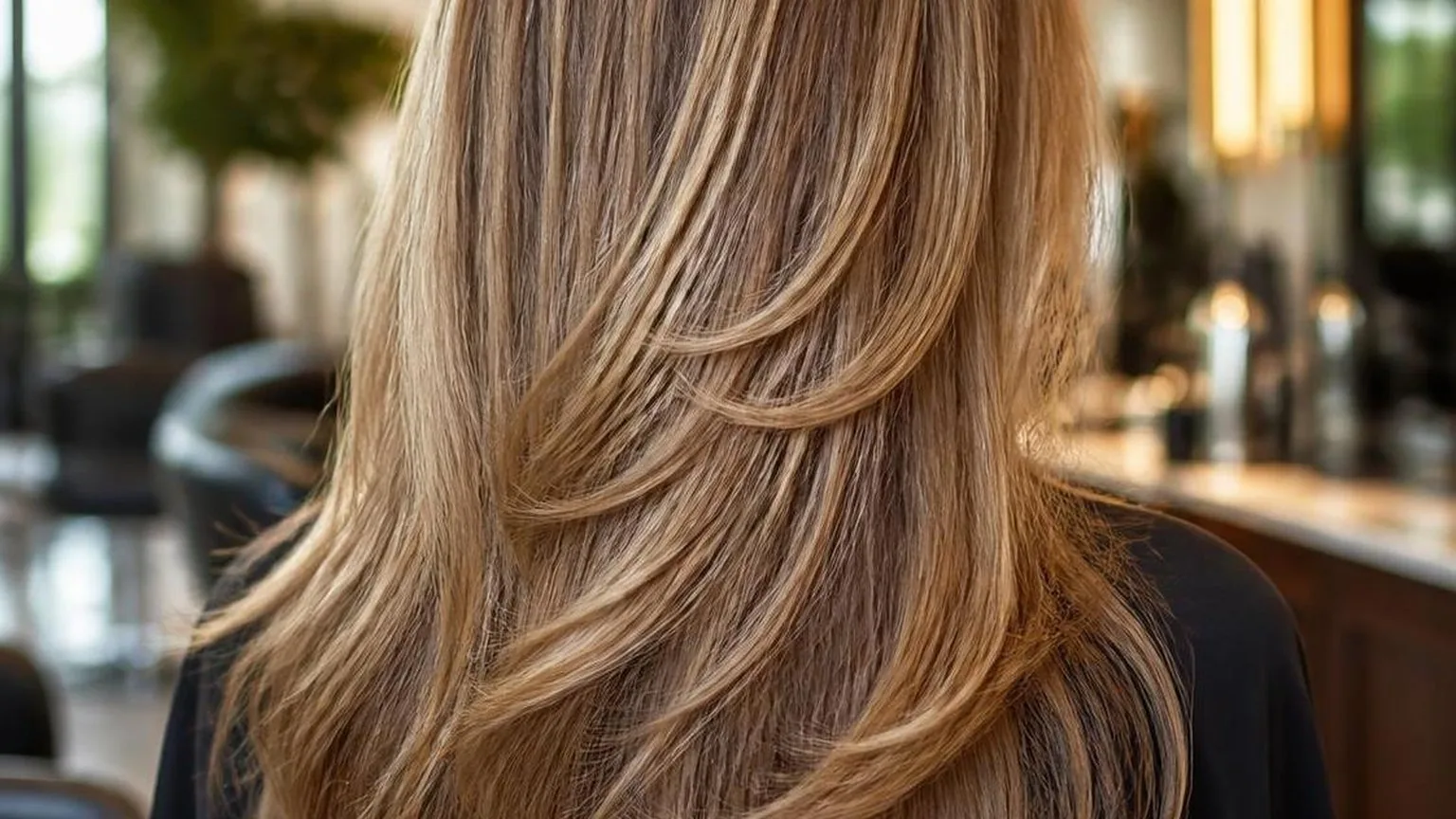
A paddle brush covers more hair per pass than a round, vent, or teasing brush. Its wide, flat base smooths larger sections, cuts styling time, and creates low-volume, straight-to-softly-bent finishes rather than tight curl or lift.
That makes it the practical choice for detangling, rough-drying, and polishing medium to long hair. It is less effective when the goal is root elevation, a defined bend, or short-hair tension close to the scalp.
| Brush type | Typical head or barrel size | Best use | Trade-off |
| Paddle | Wide cushion head, often 8 to 13 rows | Fast smoothing, detangling, blow-drying large sections | Minimal curl formation and limited root lift |
| Round | Barrels commonly 25 mm, 33 mm, 43 mm, 53 mm | Volume, bend, curl, polished ends | Slower on dense hair, smaller working surface |
| Vent | Open frame with spaced pins | Quick airflow during rough-drying | Less tension, less polish, less control on frizz |
| Teasing | Narrow head, dense bristles | Backcombing and detail work | Not built for smoothing lengths |
| Wide-tooth comb | Low-density teeth | Wet detangling and product distribution | Little tension for finishing |
Against a round brush, the paddle brush wins on speed. A wider face can manage sections about 7.5 to 10 cm across, while many round-brush blowouts work best on sections closer to the barrel width, often 5 to 7.5 cm.
That difference matters on thick hair. Fewer sections mean fewer passes, and fewer passes mean less repeated heat exposure from the dryer. For sleek blow-dries, that efficiency is the main advantage.
Against a vent brush, the paddle brush gives more tension. More tension helps align the cuticle while drying, which is why the finish usually looks smoother and flatter. A vent brush moves air faster, but the result is looser and less polished.
| Finish goal | Best tool | Why |
| Straight, smooth lengths | Paddle brush | Broad surface distributes tension evenly |
| Root lift at the crown | Round brush | Cylindrical shape lifts hair away from the scalp |
| Fast rough-dry | Vent brush | Open design lets airflow pass through |
| Short fringes or bobs | Small round brush | Fits shorter sections with tighter control |
The paddle brush also asks less wrist rotation than a round brush. For salon work, that matters during repeated smooth blow-dries. The motion is simpler: pull with tension, follow with airflow, then finish with a cool shot for 5 to 10 seconds.
Choose it when speed, smoothness, and control matter more than volume. Switch to a round brush when shape is the service, not only polish.
Where Damage Creeps In
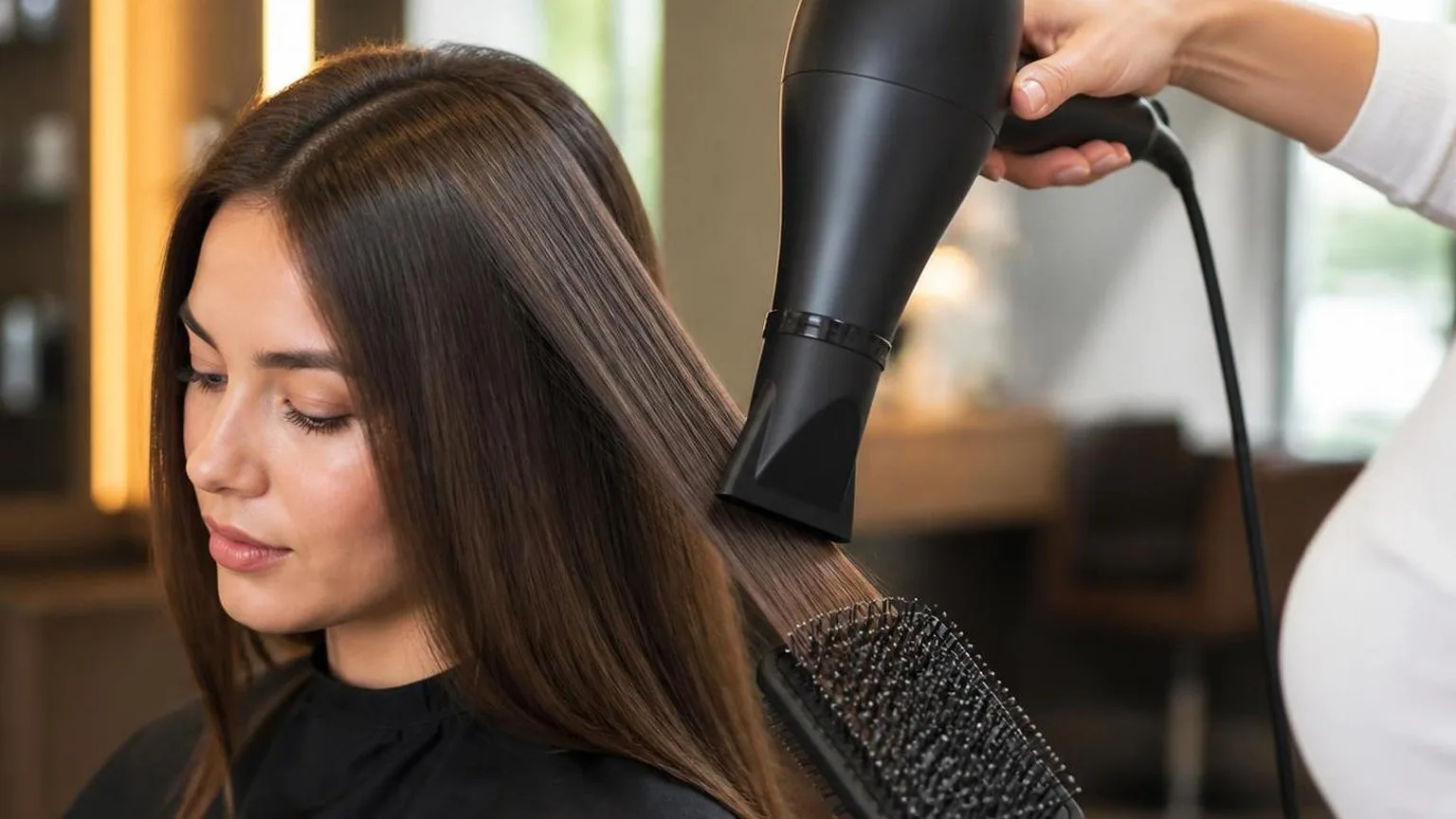
A paddle brush helps control heat and tension because its wide, flat face spreads force across a larger section of hair.
That makes smoothing more even, with less concentrated pulling on individual strands and fewer repeated passes from roots to ends.
Used well, it supports a lower-stress blow-dry. The goal is steady airflow, moderate tension, and enough heat to reshape the cuticle without baking one spot.
The brush shape matters. A broad base keeps sections flat, so the dryer can skim over the surface instead of chasing a rounded curve. That usually means faster smoothing on straight, wavy, and long layers.
| Control point | Working range | Why it protects hair |
| Hair dryness before brush work | About 70% to 80% dry | Reduces dwell time under heat and limits stretching while hair is saturated |
| Dryer distance from hair | About 10 to 15 cm | Keeps airflow strong without concentrating heat on one patch |
| Section width | About 5 to 7.5 cm | Lets air reach through the section so you need fewer repeat passes |
| Section thickness | About 1 to 2.5 cm | Prevents trapping moisture inside the section |
Heat management decides whether a paddle brush feels gentle or harsh. Keep the nozzle pointed down the hair shaft and moving. Concentrated, static heat does more damage than a controlled pass with airflow.
| Hair type or condition | Air temperature target | Passes per section |
| Fine or fragile-feeling hair | Low to medium, about 60°C to 80°C | About 2 to 3 |
| Medium density hair | Medium, about 80°C to 100°C | About 3 to 4 |
| Coarse or resistant hair | Medium-high, about 100°C to 120°C | About 4 to 6 |
These are practical working temperatures at the hair, not the hottest setting on the dryer body. Many salon dryers can output far higher air temperatures at the nozzle, especially when held very close.
Tension should feel firm, not aggressive. With a paddle brush, the handle guides the section while the cushioned base absorbs some pull. If you hear snapping or see the section whitening under strain, back off.
- Start at the roots, then chase the brush down the mid-lengths and ends.
- Keep the brush parallel to the head shape for polish, not twisted like a round brush.
- Use fewer, slower passes rather than many fast passes.
- Finish with a cool shot to help set the smoother shape.
For at-home users, a paddle brush is often the lowest-risk brush for sleek blow-dries. It creates tension without the wrap-and-pull effect of a round brush, so hair stays straighter, smoother, and more intact through repeated styling.
The Mechanism in Plain Terms
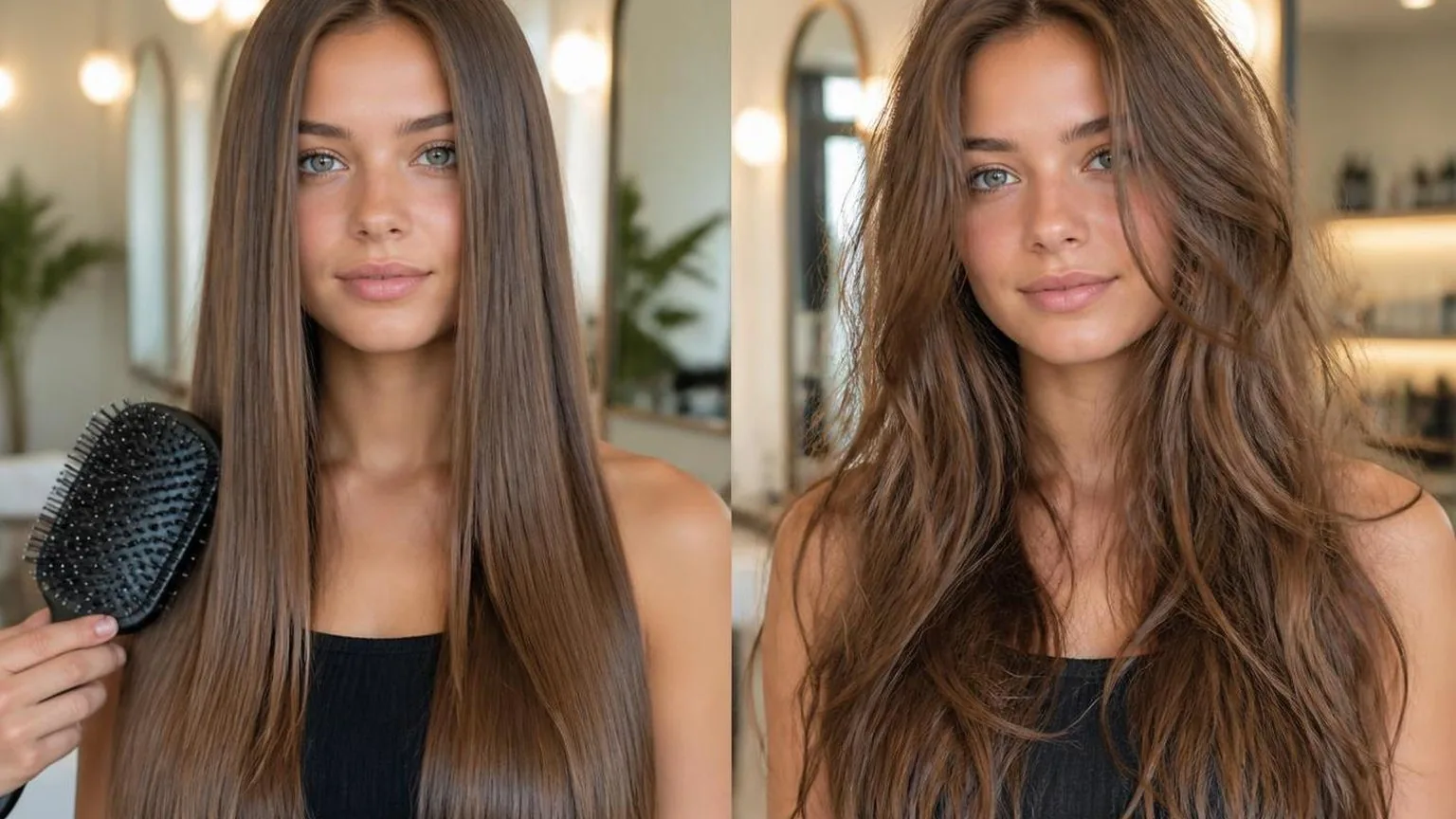
A paddle brush changes the blow-dry by spreading tension across a wider panel of hair, not a narrow ribbon. That wider contact reduces bend, increases alignment, and moves more length under controlled airflow in each pass.
The method shifts four variables at once: section size, tension distribution, airflow angle, and drying speed. Each one alters smoothness, root lift, and end shape because water leaves the fibre differently when hair is held flatter and more evenly.
| Variable | Working range | What changes |
| Section width | 7-10 cm wide, 1-2 cm thick | More surface exposed to air, less hidden moisture |
| Nozzle distance | 5-8 cm from hair | Higher surface heat, faster smoothing, greater risk of overdrying ends |
| Airflow angle | 30-45 degrees down the shaft | Flatter cuticle lay, less roughness, less root disruption |
| Pass timing | 6-10 seconds per section, then 3-5 seconds cool air | Sets the section before humidity re-enters the warm fibre |
A paddle brush works best on sections that are broad but thin. A 7-10 cm width gives enough brush contact to hold the panel flat. Keeping thickness to 1-2 cm allows air to reach the inner strands instead of sealing dampness inside.
Tension changes because the cushion and broad base support more hair at once. Pulling a 9 cm panel at even tension straightens the panel without forcing a rounded bend. That is why ends look smoother and less turned under than with a round brush.
Nozzle distance matters. Holding the nozzle 5 cm closer raises surface temperature, which sets the cuticle before the root is dry. Keeping 5-8 cm of space limits that mismatch and gives time for moisture to leave from root to mid-length first.
Air direction changes the finish. Pointing airflow 30-45 degrees down the shaft presses lifted cuticle edges flatter.
Directing air across the hair or upward scatters the fibres, reduces reflectivity, and can make the section expand before it has cooled.
Speed changes because a paddle brush covers more area per stroke. On long hair, one controlled pass can smooth a panel 20-30 cm in length. Fewer repeated wraps mean less mechanical friction and less chance of creating a bevel where none is wanted.
- For straight finishes, keep the brush parallel to the head shape and follow immediately with the nozzle.
- For root control, begin 2-3 cm off the scalp, dry the base first, then pull through lengths.
- For ends, reduce tension in the last 5 cm to avoid a hard flip or a blunt, overpressed finish.
The result is not only faster drying. It is a flatter section, a more even moisture exit, and a finish that stays smoother because the hair was dried in the shape it was meant to keep.
Mistakes Worth Avoiding
The main mistakes with a paddle brush are using it on sections that are too large, pairing it with too much heat, and expecting it to create curl.
The main myths are that harder brushing adds more shine and that one paddle brush suits every drying stage.
A paddle brush is built for tension, smoothing, and fast surface drying over broad sections. It is not the best tool for root lift, bend, or polished curl ends. When users force it to do round-brush work, the finish usually looks flat.
Section size is the first problem. If the section is wider than the brush head, air misses the edges and moisture stays trapped. That extends drying time and increases repeated passes, which roughen the cuticle instead of refining it.
| Area | Common mistake or myth | Better practice |
| Section width | Taking sections 4 inches or wider | Keep sections about 2 to 3 inches wide |
| Dryer distance | Holding the nozzle against the hair | Keep airflow about 1 to 2 inches away |
| Moisture level | Starting brush work on soaking-wet hair | Rough-dry to about 70 to 80 percent first |
| Heat | Using maximum heat on every pass | Use medium heat for most lengths, cool shot to set |
Another myth is that more pressure equals more smoothness. It does not. Excess pressure stretches wet fibers and creates friction between bristles and hair. Controlled tension is enough. Let airflow do the drying while the brush guides direction.
Brush choice also matters. A broad paddle usually speeds blow-drying on long, straight, or lightly textured hair because it covers more area per pass. On short cuts, fringes, and face-frame pieces, that same width can reduce control.
- Do not yank from roots to ends in one stroke. Start at mid-lengths, then work upward.
- Do not park the dryer on one panel. Keep the nozzle moving from roots to ends.
- Do not flip the brush constantly. Consistent downward tension gives a smoother cuticle lay.
- Do not use a paddle brush to force under-curl on the last 2 inches. Switch to a round brush if bend is required.
The final myth is that natural bristles are always better. For dense hair, nylon pins often penetrate more effectively and maintain tension better during a blowout.
The best paddle brush is the one that matches density, length, and the finish you need.
Frequently Asked Questions
What is a paddle brush best for?
A paddle brush is best for fast detangling and smoothing on medium to long hair. Its wide, flat base covers more surface area per stroke, which reduces styling time and helps align the cuticle for a sleeker finish.
How does a paddle brush help during blow-drying?
It creates tension across larger sections, which helps stretch the hair straighter as air moves from roots to ends. Use sections about 2 to 3 inches wide with the dryer nozzle angled downward for a flatter, shinier result.
Does a paddle brush reduce frizz?
Yes, when used correctly, a paddle brush can reduce visible frizz by smoothing the hair fiber and keeping strands organized. Pair it with controlled airflow and moderate heat, around 160 to 190°F, to limit roughness from overworking the same section.
Is a paddle brush good for everyday brushing?
Yes, especially for straight, wavy, or long hair that needs quick maintenance between washes.
The broad cushion and multiple rows of bristles distribute pressure more evenly, which can make daily brushing gentler than repeated passes with a smaller brush.
Can a paddle brush add shine?
Yes, it can improve shine by laying the cuticle flatter and distributing natural oils from mid-lengths toward the ends. On a finished blowout, a few slow passes can polish the surface without adding too much bend or volume.
Can a paddle brush help detangle hair?
Yes, a paddle brush can help detangle hair, especially longer or thicker hair. Its wide, flat surface covers larger sections, making brushing smoother and more controlled.
Is a paddle brush suitable for straightening hair while styling?
A paddle brush can help guide hair straight while you dry or style it. It keeps sections flat and evenly tensioned, which can support a smoother, straighter finish.
Related Reading
- How often a dryer filter needs clearing
- Choosing a professional dryer: what actually matters
- Cleaning a dryer filter, and how often it needs it
- Boar, nylon or mixed: choosing round brush bristles
- Safe heat settings for a blow dry, by hair type
- How long a dryer can run before it needs a rest
- Paddle or round: which brush does which job
- Ceramic or tourmaline: what changes inside the barrel
- The complete guide to blow dry tools
- Occupational Safety and Health Administration
- National Center for Biotechnology Information PubMed
- MedlinePlus
- U.S. Small Business Administration
- UK Health and Safety Executive
- California Board of Barbering and Cosmetology
- North Carolina Board of Cosmetic Art Examiners
- American Academy of Dermatology