
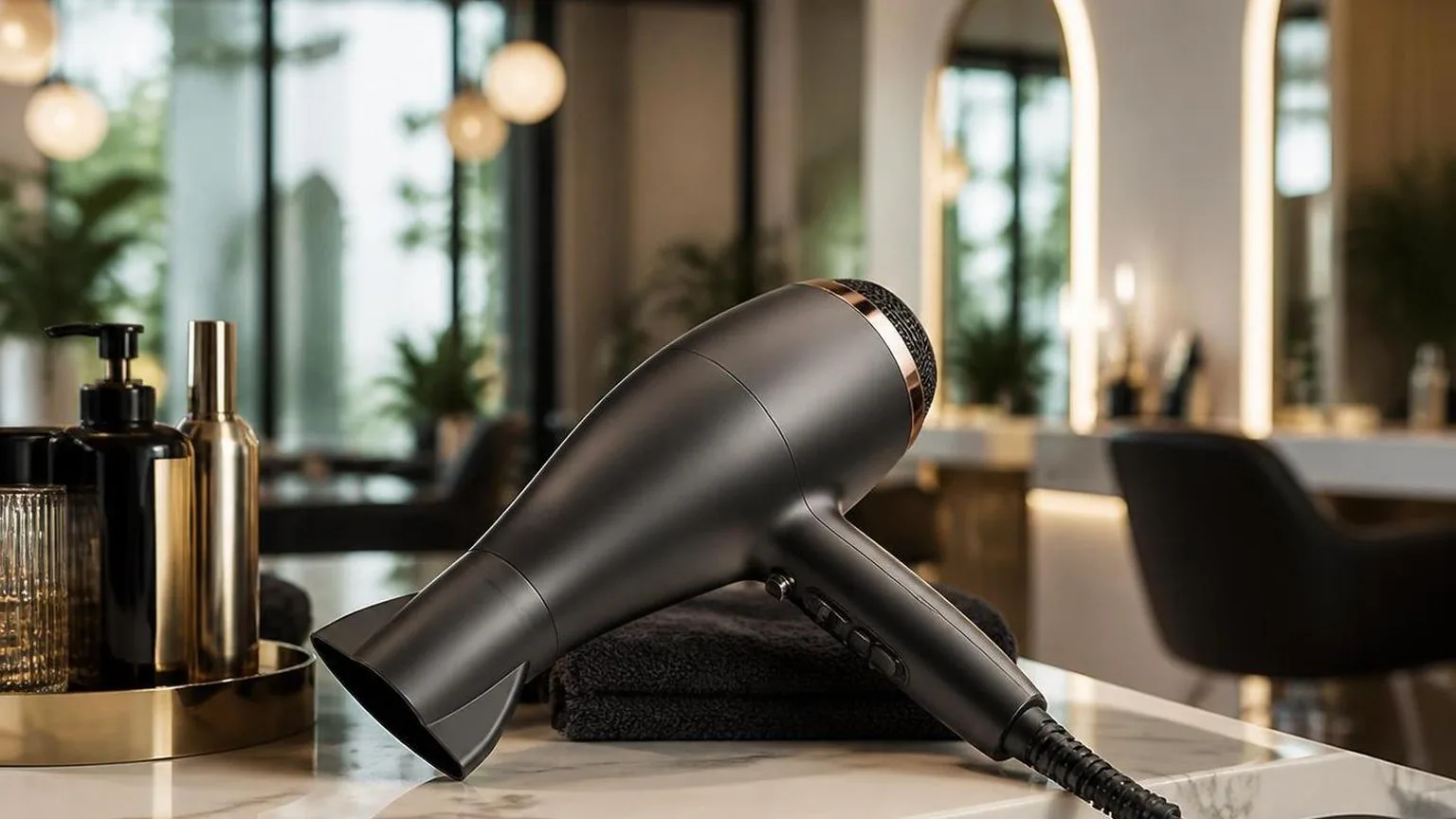
Choosing a professional dryer starts with airflow: select a dryer delivering concentrated, stable heat around 80–110°C at the nozzle, with a narrow 6–9mm concentrator for tension drying and a motor built for repeated salon use.
Prioritise weight under 600g where possible, at least two heat settings, a true cool shot, removable rear filter, and balanced handling. For smooth finishes, pair medium heat with high airflow, keeping the nozzle 5–8cm from the brush.
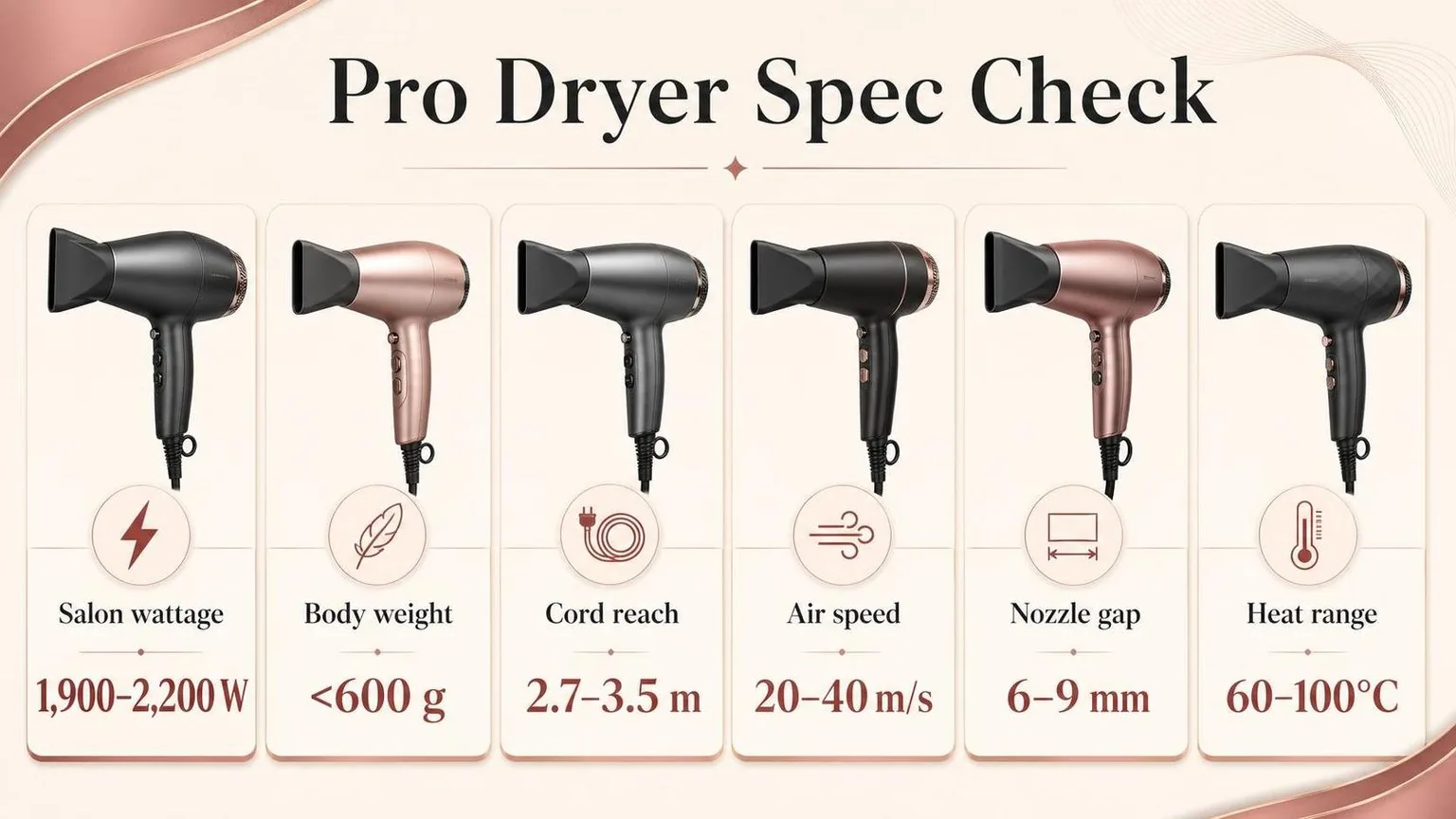
Map Your Dryer Spec
Before comparing professional dryers, measure the job your dryer must do. Use your busiest service, not your easiest client, then match airflow, heat control, weight, cord length and nozzle size to that reality.
| Your salon or hair need | Choose this dryer target |
| Fine hair, short to shoulder length, fast home finish | 1,600–1,800 W, 2 heat settings, concentrator nozzle around 60–75 mm wide |
| Medium-density hair, daily blowouts, round-brush styling | 1,800–2,000 W, 3 heat settings, cool shot, body weight under 600 g |
| Dense or long hair, back-to-back salon work | 1,900–2,200 W, strong airflow, removable rear filter, cord length 2.7–3 m |
| Precision bobs, fringes, root lift, polish work | Narrow concentrator, 6–8 mm outlet gap, medium heat with high airflow |
Time one normal blowdry from towel-dried to finished. If it runs over 35 minutes on medium-density hair, prioritise airflow and nozzle control before extra heat.
The British Health and Safety Executive advises keeping handheld tool weight and repetition under control during prolonged work.
Check your station reach. The dryer cord should reach the furthest styling position without an extension lead or wrist twist. For most salon chairs, 2.7 m is the practical minimum; 3 m gives more freedom around the chair.
Hold the dryer for 90 seconds with your usual brush. If your wrist lifts, elbow flares, or nozzle drifts, the body is too heavy or poorly balanced for repeated professional use.
The Numbers That Matter Here
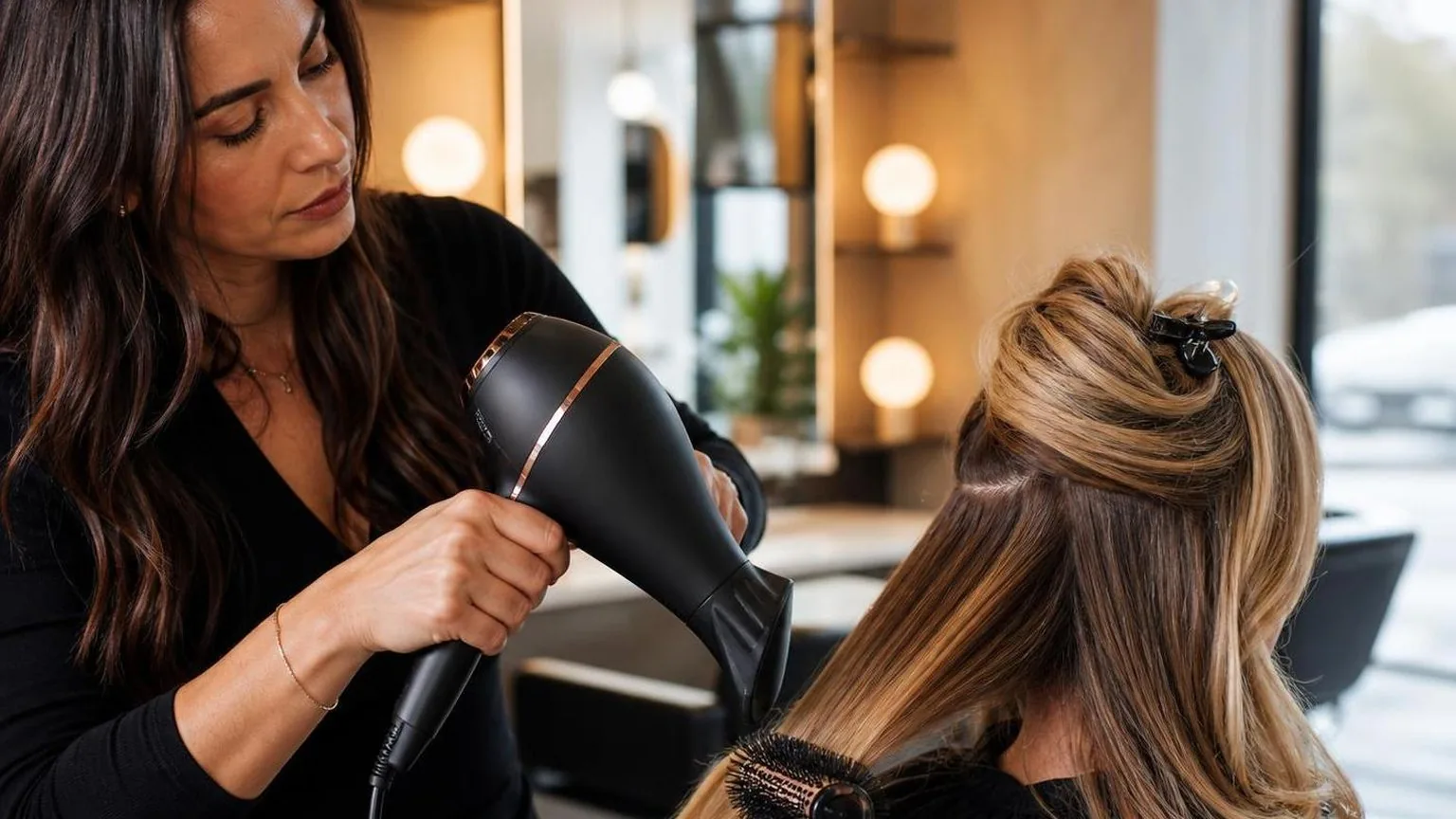
The best professional dryer is not the one with the biggest wattage claim. For salon work, the useful numbers are heat stability, air speed, weight in hand, cord length, noise, and safety certification.
Wattage tells you power draw, not finish quality. A balanced motor, narrow concentrator, and controlled heat usually matter more than another few hundred watts on the carton.
| Specification | Professional target | Why it matters at the chair |
| US power draw | About 1,500–1,875 W on a 120 V circuit | Fits typical salon outlet limits better than higher-draw tools |
| UK power draw | About 1,800–2,400 W on a 230 V supply | Common range for salon-speed drying without relying on inflated claims |
| Air speed at nozzle | Roughly 20–40 m/s | Moves water off the fibre before prolonged heat exposure |
| Outlet temperature | About 60–100°C, depending on setting and distance | Gives enough heat for shaping while leaving room to reduce heat on fragile ends |
| Tool weight | Under 600 g body weight is easier for long services | Reduces wrist fatigue across multiple blow-dries |
| Cord length | 2.7–3.5 m for salon use | Lets the stylist move around the chair without pulling the plug or twisting posture |
| Noise | Often 70–90 dB at the ear | Lower output supports consultation and a calmer salon floor |
For home users chasing a salon finish, the airflow figure is often the most revealing. A dryer that feels “hot” but weak makes you compensate with longer passes, especially on dense hair.
| Attachment number | Useful professional range | Practical effect |
| Concentrator slot width | 6–9 mm | Focuses air for brush tension, smoothing, and directional root lift |
| Concentrator length | 70–90 mm | Keeps airflow narrow enough for section work |
| Diffuser bowl diameter | 120–150 mm | Holds curl groups without blasting them apart |
| Filter mesh access | Removable rear filter | Allows lint clearing before airflow drops |
Certification is not decoration. In the US, handheld dryers should have an ALCI safety plug; UL and the U.S. Consumer Product Safety Commission both identify this protection as important for bathroom electrical safety.
In the UK, look for a UKCA or CE mark from the supplier, plus clear voltage marking. Do not run a single-voltage US dryer on UK mains with only a plug adapter.
- Pick airflow first: strong, controlled air dries faster than harsh heat.
- Check the cord: salon work needs reach, strain relief, and a swivel that does not bind.
- Test the cold shot: it should drop temperature quickly enough to set the brush shape.
- Remove the filter weekly: blocked intake raises heat and cuts performance.
What Actually Shifts the Finish
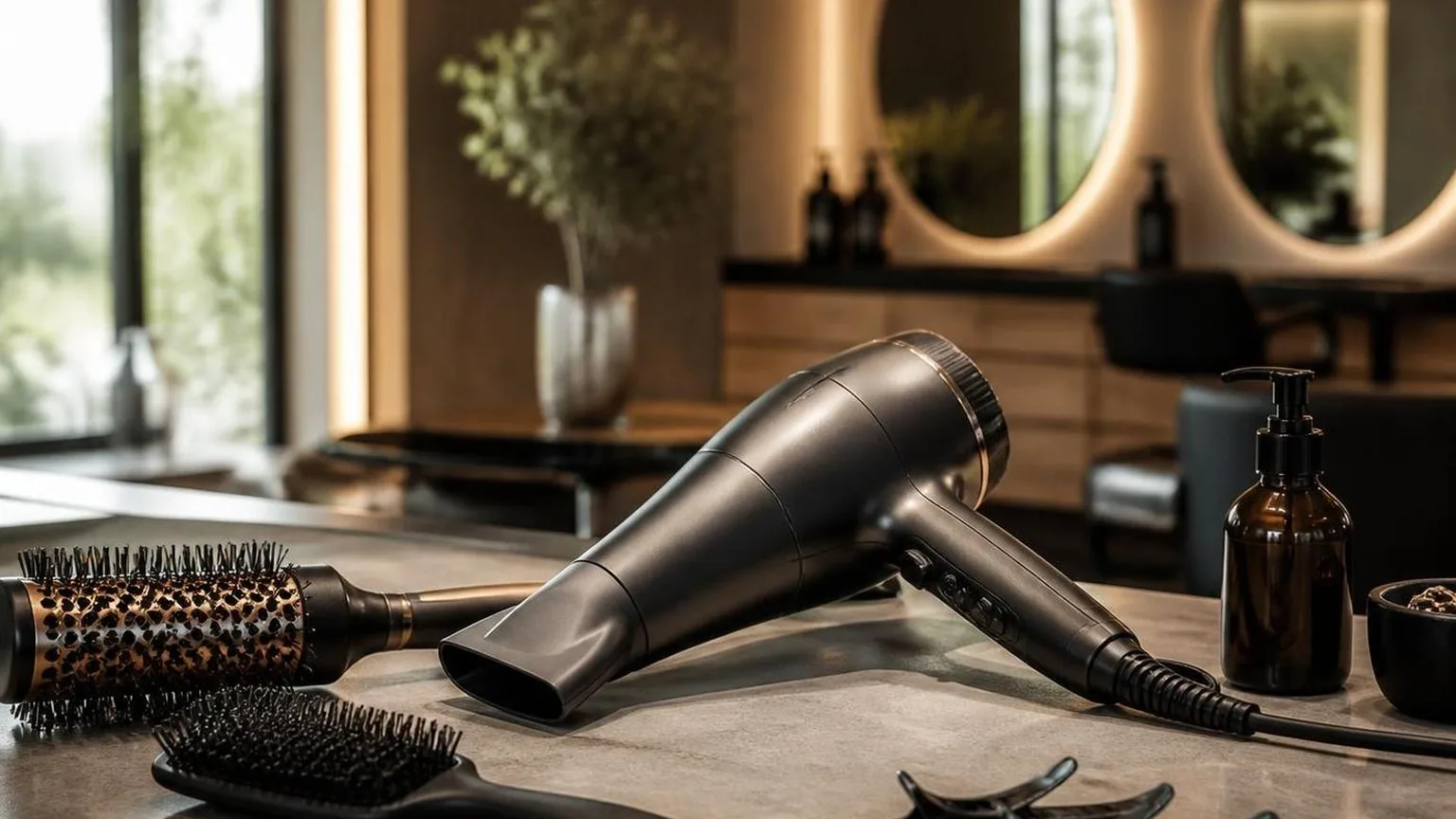
The finish changes when the dryer can move enough air, hold steady heat, and fit the work in your hand without fighting your sectioning.
In salon use, the biggest differences are air speed at the nozzle, heat control, concentrator shape, weight, and how fast the motor recovers between sections.
A professional dryer is not simply “hotter.” Too much heat roughens the cuticle and collapses shape. The better result comes from controlled airflow that dries the roots first, then polishes mid-lengths and ends under brush tension.
Airflow and heat stability
High airflow reduces dwell time. In practical blow-dry work, a strong dryer lets a stylist keep the nozzle moving about 5–8 cm from the hair while maintaining tension.
That distance helps direct the cuticle downward without parking heat on one area.
| Feature | What to look for | Why it changes the finish |
| Power draw | About 1,600–2,200 W on compatible salon circuits | Supports sustained heat and airflow through dense sections |
| Nozzle width | 6–9 cm concentrator opening | Wider focus suits paddle and medium round-brush work |
| Nozzle gap | 6–10 mm slim outlet | Compresses airflow for smoother cuticle direction |
| Working distance | 5–8 cm from hair | Reduces hot spots while keeping airflow effective |
| Cool shot | Noticeable temperature drop within a few seconds | Helps set bend and reduce brush drop after release |
Motor feel and weight
AC and high-speed digital motors can both perform professionally, but they feel different. A heavier rear-weighted dryer can fatigue the wrist during a full head of round-brush work.
For many stylists, a body weight under about 600 g feels easier over repeated services.
Balance matters as much as weight. Hold the dryer by the handle with the nozzle fitted. If the barrel tips downward aggressively, your wrist will compensate during every section, especially when drying crown and back panels.
Heat settings you can actually use
Three heat settings and at least two speed settings are more useful than one extreme maximum. Fine hair often needs medium heat with higher air speed.
Coarse or dense hair usually needs stronger airflow, smaller sections, and controlled high heat only while the brush is moving.
- Fine sections: keep panels around 2–3 cm deep for polish without overheating the ends.
- Dense sections: reduce to 1–2 cm deep at the nape and hairline for faster root drying.
- Brush pairing: use a 25–35 mm barrel for bend, 43–55 mm for volume and smoother length.
- Finish setting: hold the cool shot for about 5–10 seconds before releasing a shaped section.
Attachments and filtration
A concentrator should lock firmly and stay aligned. If it spins loose, airflow escapes sideways and the brush work becomes fuzzy. A diffuser is useful for texture work, but for a classic blowout, the narrow concentrator is the main finishing tool.
Removable rear filters are essential in professional use. Lint buildup reduces airflow and makes the heater work harder. In a busy bar, checking the filter between services and cleaning it after heavy spray exposure protects consistency and dry time.
Checking It at the Chair
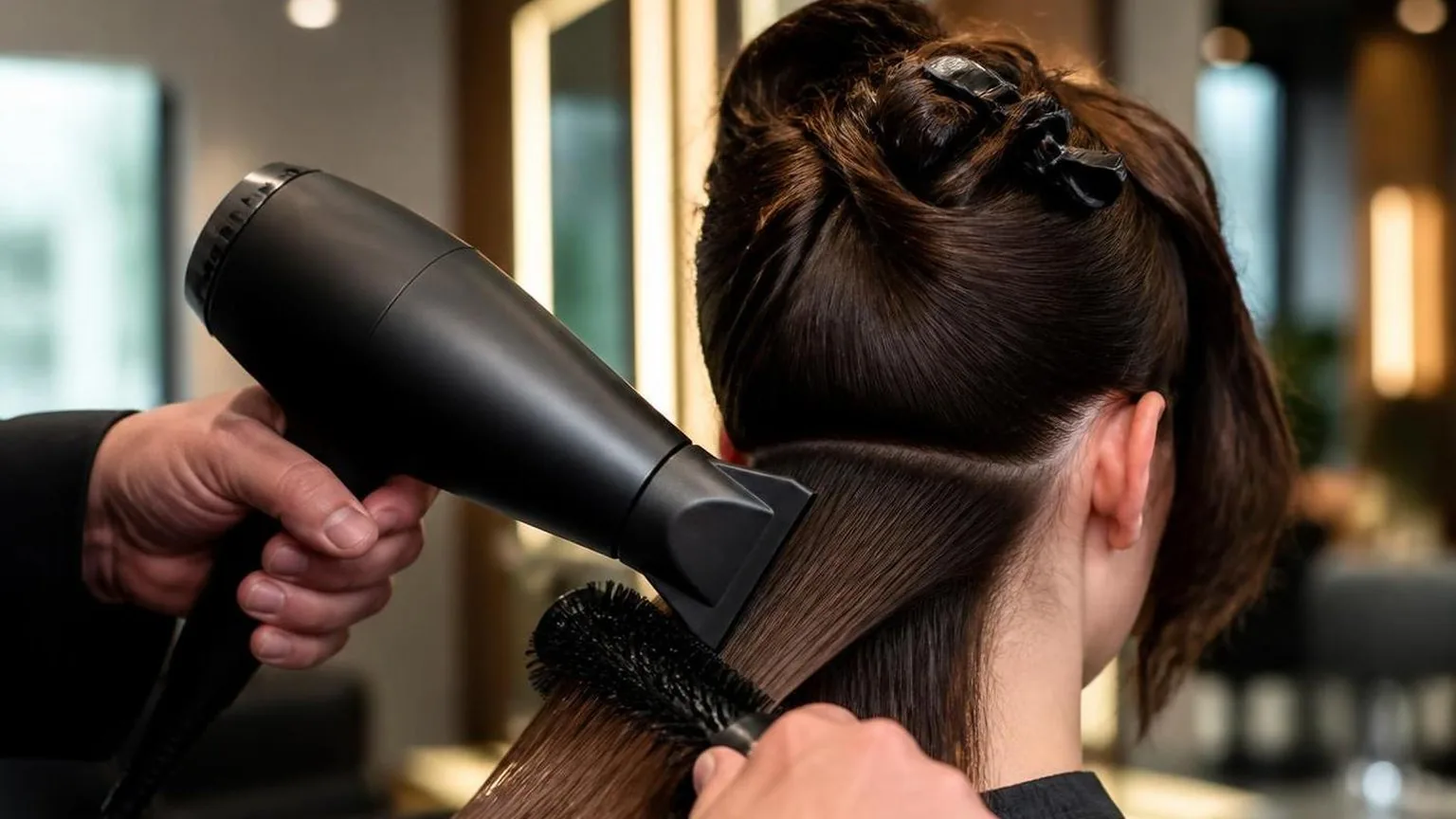
Judge a professional dryer by how fast it removes water while leaving the cuticle smooth, the roots controlled, and the ends unfrayed. Test it on freshly washed hair, using the same brush, section size, nozzle, and finishing method each time.
Manufacturer wattage is only a starting point. In chair work, airflow shape, heat stability, weight balance, and nozzle fit matter more than the number printed on the shell.
Run the Same Section Test
Use one clean, towel-blotted section at the crown or behind the ear. Comb it smooth, clip away the rest, then dry with steady tension and the concentrator fitted. A good dryer should move water quickly without forcing you to overheat the same pass.
| Test point | Professional target |
| Section width | About 2 inches |
| Section depth | About 0.5 inch |
| Nozzle gap from hair | 1 to 2 inches |
| Drying angle | Down the hair shaft, not against it |
| Pass count before reassessing | 3 slow passes |
After those passes, feel the mid-lengths and ends. They should be warm, not hot to the touch, and the section should need less brush correction with each pass. If the ends puff up while the roots stay damp, the airflow is poorly concentrated.
Check Heat Control, Not Just Heat Output
Professional work needs usable heat steps. Too cool slows service time; too hot makes polishing harder and encourages rough handling. The best dryers hold a steady setting while you move around the head, rather than surging hotter near the finish.
| Area being dried | Useful air temperature at nozzle |
| Fine face-framing hair | 120°F to 140°F |
| Medium-density lengths | 140°F to 170°F |
| Dense roots before brush work | 160°F to 190°F |
| Cool-shot set | Noticeably below warm setting within 5 seconds |
These are practical surface readings taken with an infrared thermometer near the nozzle path, not promises from the box. Always judge alongside touch, shine, and brush response.
Listen, Feel, and Watch the Finish
- Airflow: It should part wet hair cleanly without whipping the ends sideways.
- Nozzle: It should stay tight during rotation and be narrow enough for directed smoothing.
- Balance: The wrist should not drop when working above shoulder height.
- Buttons: You should change heat or speed without looking away from the section.
- Cool shot: It should lock shape after the brush has set the bend.
For salon buying, test on at least three heads: fine, medium, and dense hair.
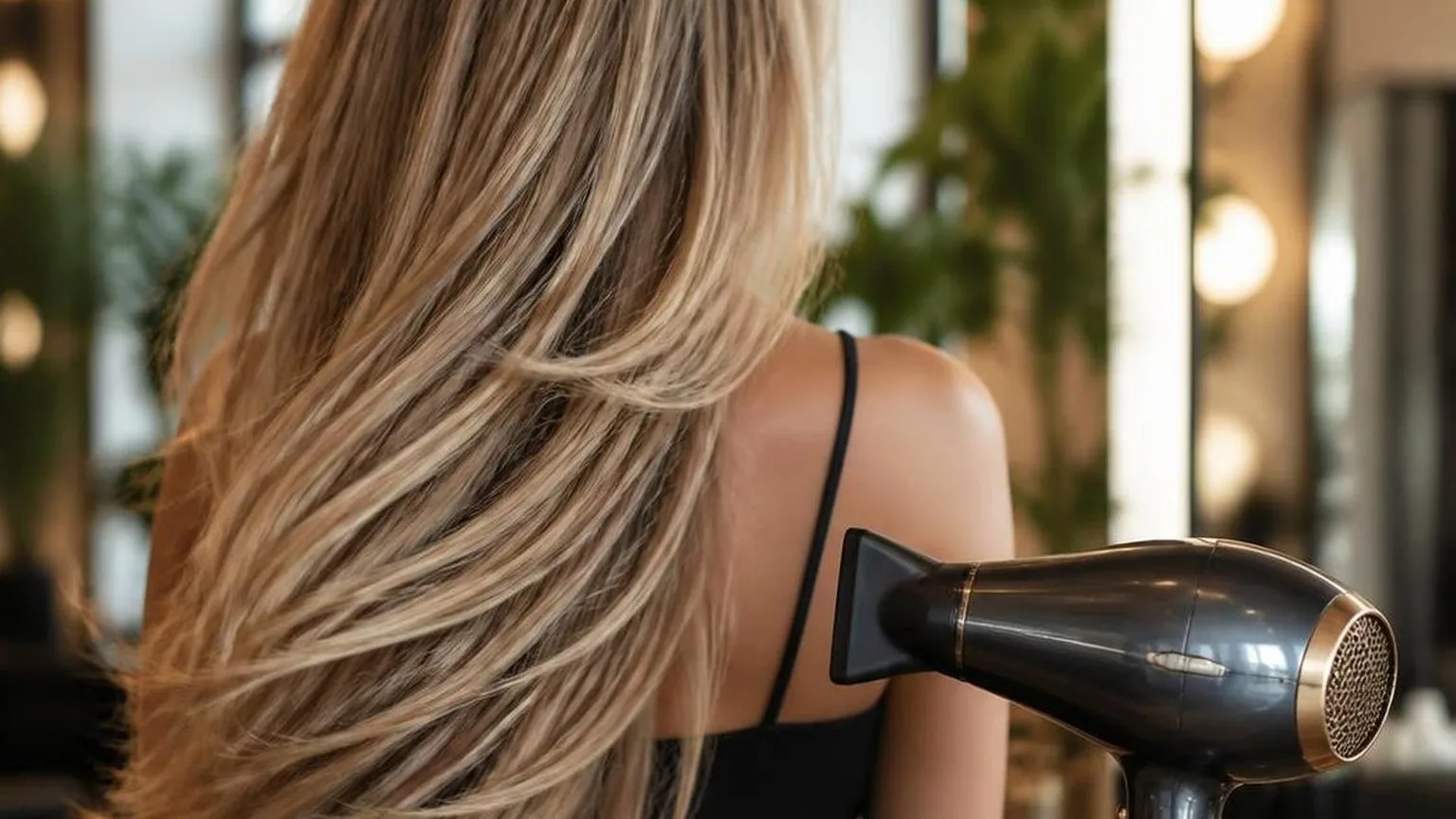
If one dryer gives predictable roots, smooth ends, and repeatable timing across all three, it is closer to professional than a high-wattage model that only feels powerful in the hand.
Weighed Against What Else Is Used
A professional dryer is the best middle ground for salon speed, controlled heat, and repeatable finishing.
Compared with travel dryers, air stylers, hood dryers, and basic retail dryers, it gives the stylist more airflow control and better nozzle discipline at the brush.
The main trade-off is weight, noise, and cost of ownership. For blow dry bars, the question is less “highest heat” and more whether the motor, filter, cord, and concentrator can survive repeated services without drifting in performance.
| Dryer type | Typical power | Best use | Key limitation |
| Professional salon dryer | 1,600–2,000 W | Round-brush blowouts, smoothing, volume work | Heavier than compact options |
| Travel dryer | 1,000–1,600 W | Occasional drying, luggage use | Smaller fan and shorter nozzle control |
| Retail household dryer | 1,500–1,875 W | Home drying with moderate use | May have less durable switches, cord, and filter access |
| Hot air brush | 800–1,200 W | Polishing already towel-dried hair | Less airflow separation at the root |
| Hood dryer | 900–1,200 W | Roller sets and hands-free drying | Not ideal for directional brush tension |
In chair work, airflow matters as much as wattage. A narrow concentrator, commonly around 6–9 mm at the slot, focuses the air sheet so the cuticle can be laid with brush tension rather than blasted open.
| Feature | Professional dryer advantage | What to check before buying |
| Motor | AC or brushless designs are built for repeated salon cycles | Look for removable rear filter and stated motor type |
| Cord | Longer reach supports section-to-section movement | Salon-friendly cords are often 2.7–3.0 m |
| Heat settings | Separate heat and speed give better finishing control | Minimum of 2 speeds and 3 heat settings |
| Cool shot | Helps set bend after heat and tension | Button should deliver an immediate temperature drop |
| Nozzle fit | Tight fit keeps airflow consistent at the brush | Test for wobble when rotating the dryer |
Against a hot air brush, a professional dryer is faster on dense hair because water is removed before polishing. The brush tool can then be reserved for ends, fringe, or second-day reshaping rather than full wet-to-dry work.
Against a hood dryer, the professional dryer wins on direction. Hood airflow surrounds the head, while a hand dryer can aim from roots to ends, keeping the nozzle parallel to the hair shaft during smoothing passes.
- Choose professional if the dryer will run through multiple services, needs a long cord, and must work with round brushes, paddle brushes, and diffusers.
- Choose travel only when storage and dual-voltage convenience matter more than drying speed or nozzle precision.
- Choose an air styler when the hair is already mostly dry and the goal is soft shape, not root control.
- Choose a hood dryer for roller work, controlled sets, or hands-free processing of styling products.
For a professional finish at home, the closest alternative is a high-quality household dryer with a real concentrator and removable filter. For a busy blow dry bar, those details are baseline, not upgrades.
Protecting the Hair While You Work
A professional dryer should dry fast without forcing you to overheat or over-stretch the fibre.
Choose a model that gives stable heat, strong but controllable airflow, and enough nozzle precision to let the brush do the polishing rather than brute heat.
Hair is weakest when saturated, because water temporarily disrupts hydrogen bonds. The safe working method is to remove most moisture with airflow first, then use brush tension only when the section is damp, pliable, and close to its finished shape.
| Stage | Moisture feel | Best dryer setting | Brush tension |
| Rough dry | Wet to damp | High airflow, medium heat | Fingers only |
| Shape | Damp, not dripping | Medium airflow, medium heat | Even, moderate tension |
| Polish | Nearly dry | Lower airflow, focused nozzle | Light tension at the ends |
| Set | Dry | Cool shot | Hold shape still |
For salon work, heat control matters more than the highest wattage claim.
A useful professional dryer has separate heat and speed switches, so a stylist can keep airflow high while lowering heat on fragile ends, hairlines, or previously stressed lengths.
| Feature | What to look for | Why it protects finish |
| Heat steps | At least low, medium, high | Lets the stylist reduce thermal load without stopping the blowout |
| Speed steps | At least low and high | Separates drying power from heat intensity |
| Cool shot | Instant, firm button response | Helps set the shaped section before releasing brush tension |
| Nozzle fit | Secure, non-wobbling concentrator | Keeps airflow off the cuticle surface beside the section |
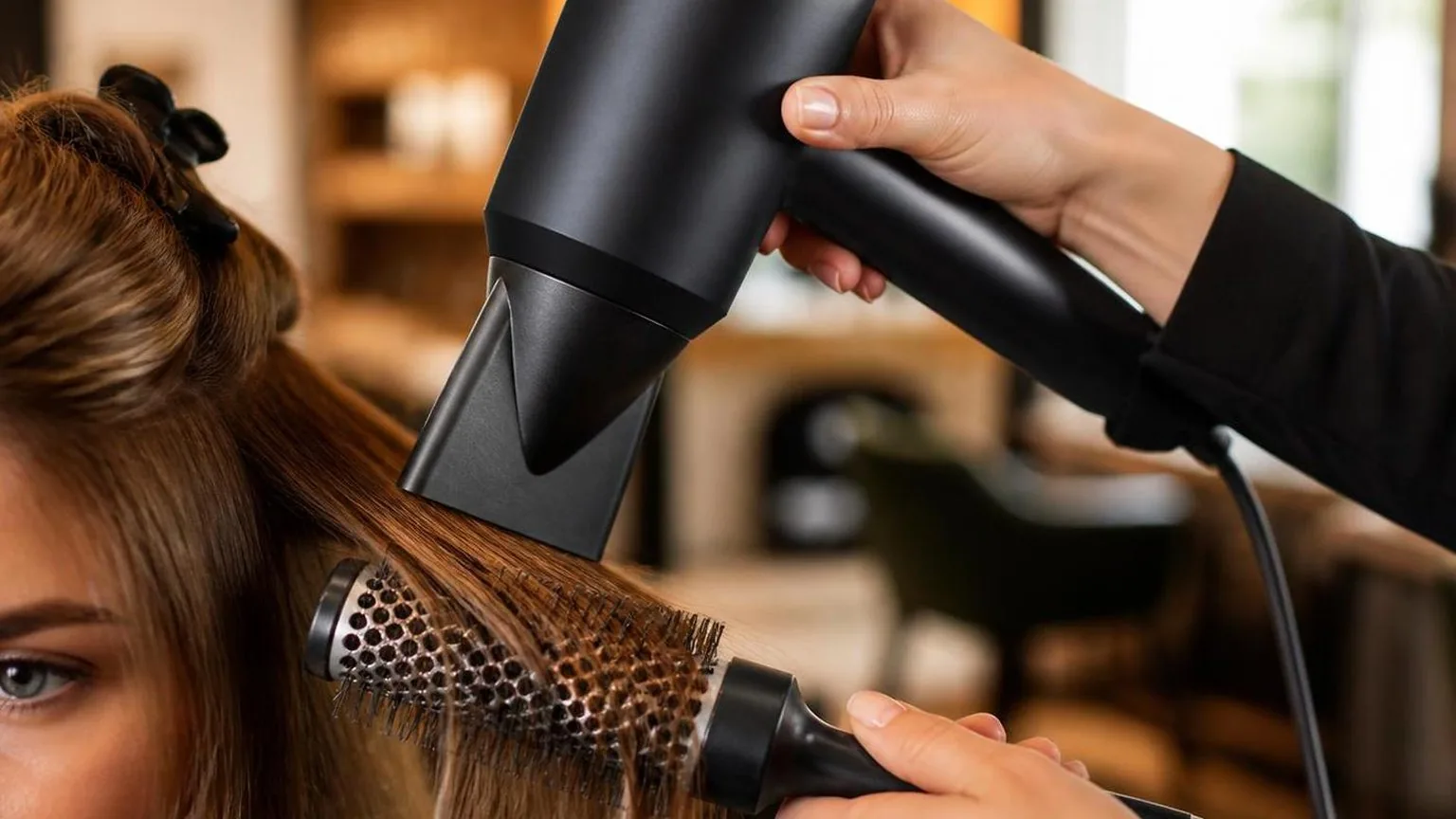
In practice, keep the concentrator parallel to the hair shaft and aim from roots toward ends. This supports cuticle alignment and reduces the rough, swollen finish caused by blasting air upward into the section.
| Tool detail | Professional target |
| Nozzle width | About 60 to 75 mm for broad smoothing work |
| Nozzle slot height | About 6 to 10 mm for concentrated airflow |
| Dryer distance | About 10 to 15 cm from the hair during shaping |
| Section width | No wider than the brush barrel |
| Section depth | About 1 to 2 cm for dense hair |
The strongest protection is disciplined tension. The brush should stretch the section just enough to smooth it; if the scalp, wrist, or brush is being pulled hard, the section is too large, too wet, or the airflow is too weak.
- Pre-dry thoroughly before round-brush work; saturated hair needs airflow, not tension.
- Use smaller sections on coarse or dense hair instead of raising heat.
- Keep the dryer moving; do not park heat on one point.
- Finish each section with cool air before unwrapping the brush.
- Clean the rear filter frequently so airflow stays strong at lower heat.
Cosmetic science texts, including Robbins’ Chemical and Physical Behavior of Human Hair, consistently describe wet hair as more extensible and mechanically vulnerable.
That is why a professional dryer should help you control heat and airflow separately, rather than compensate with aggressive brushing.
Why the Technique Works
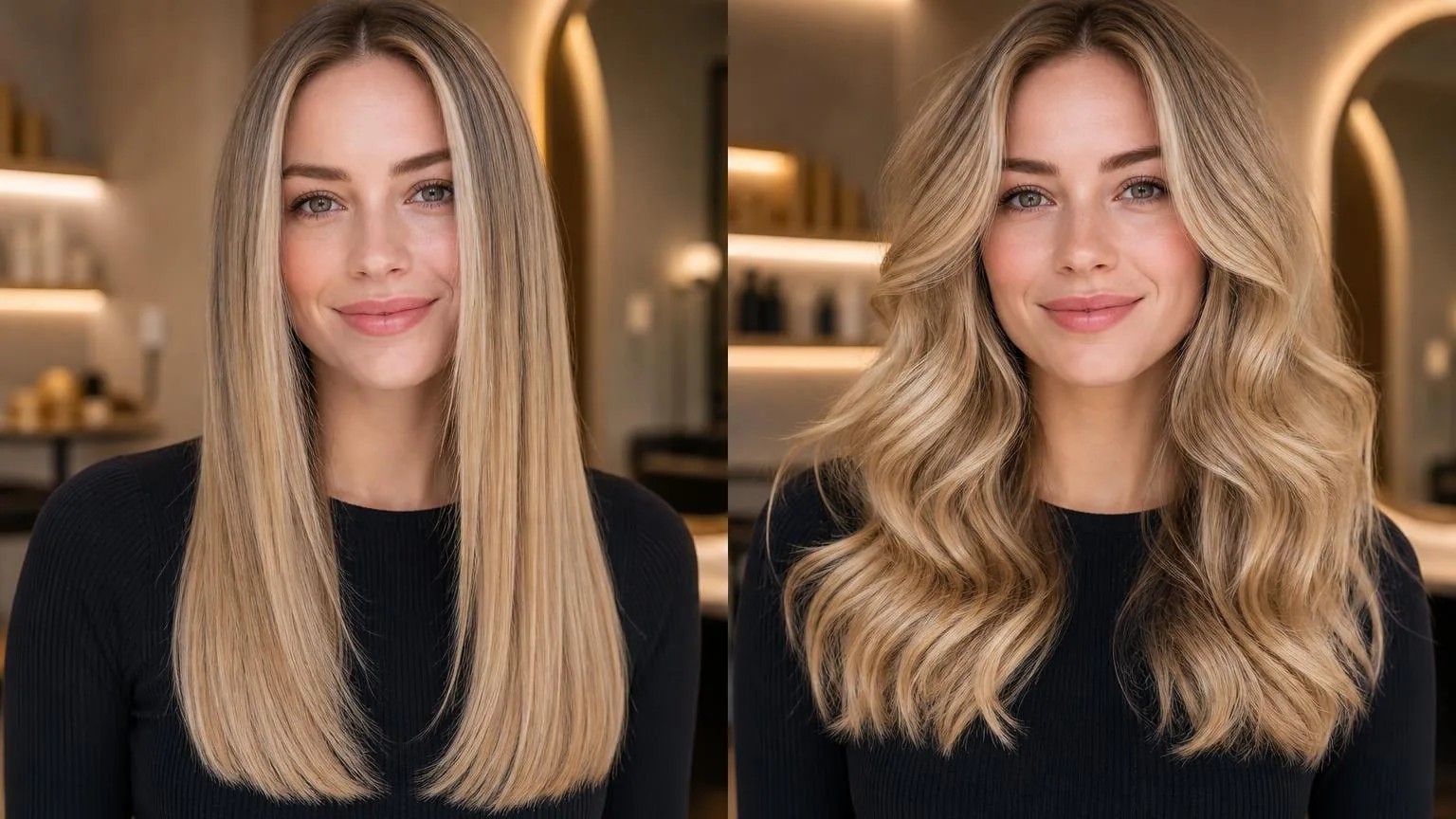
The method changes where heat lands, how long water stays in the fibre, and whether the root or surface sets first.
A professional dryer matters because nozzle geometry, airflow stability, heat control, and weight only show their value when the same disciplined movements are repeated section by section.
Hair science texts, including Robbins’ Chemical and Physical Behavior of Human Hair, describe wet hair as more vulnerable to stretching and surface disruption.
Craft practice therefore uses airflow to remove water quickly, while keeping the surface temperature and tension controlled.
| Variable | Typical professional setting | What changes in the finish |
| Nozzle distance | About 5 cm to 10 cm from the brush | Closer placement raises surface heat and concentrates airflow, so the cuticle sets before the root is fully dry if the dryer is held still. |
| Section size | 2 cm to 4 cm deep, no wider than the brush barrel | Smaller sections let air reach the inner layer, reducing damp centres that collapse after styling. |
| Nozzle width | 6 mm to 10 mm slot for smoothing work | A narrow slot compresses airflow into a flatter sheet, helping direct the cuticle downward along the strand. |
| Brush diameter | 25 mm to 45 mm for short to medium lengths, 45 mm to 60 mm for longer lengths | Smaller barrels create bend and lift; larger barrels stretch the fibre for a looser, straighter finish. |
Air direction is the first visible difference. Pointing the nozzle from roots to ends encourages overlapping cuticle edges to lie flatter.
Blowing upward roughens the surface, increases frizz, and makes the same dryer feel less powerful because the airflow fights the intended finish.
Heat selection changes timing, not just speed. High heat softens shape quickly, but it also narrows the working window.
Medium heat with high airflow often gives better control because water leaves the section without forcing the surface to dry too early.
| Action | Working number | Reason |
| Pre-dry before brush work | Remove roughly 70% to 80% of moisture | The brush then shapes instead of acting as a wringer, reducing repeated passes. |
| Root lift pass | Hold tension for 3 to 5 seconds | Short dwell time sets the base without overheating one patch. |
| Mid-length smoothing pass | Move about 2 cm per second | Steady travel gives the surface enough heat exposure without stopping airflow. |
| Cool shot | 5 to 10 seconds per formed section | Cooling helps the hydrogen-bonded shape firm before the section is released. |
Airflow stability separates professional tools from weak dryers during repeated passes. A dryer that drops speed when a concentrator is fitted forces slower movement, longer dwell time, and more hand fatigue.
Consistent flow lets the stylist keep the nozzle moving while maintaining tension.
Weight and balance change method endurance. A dryer around 450 g to 650 g is easier to hold above shoulder height for a full blowout.
A long, flexible cord also prevents wrist rotation, keeping the nozzle aligned with the brush rather than drifting across the section.
Mistakes Worth Avoiding
The biggest mistake is buying by wattage alone. A professional dryer should be judged by airflow, heat control, nozzle fit, weight balance, filter access, cord length, and how consistently it holds temperature during a full blow-dry service.
Another common myth is that hotter always means faster. In salon work, controlled airflow and sectioning usually beat extreme heat, especially when finishing with a concentrator nozzle close to a round brush.
Myth: higher watts always mean better performance
Wattage tells you electrical draw, not finished result. Two dryers with the same rating can feel completely different at the chair because motor design, fan geometry, grille restriction, and nozzle shape change the air delivery.
| Spec to check | Why it matters at the station |
| Motor type | AC motors are common in salon dryers and are usually chosen for sustained back-to-back use. |
| Heat settings | At least three usable heat levels help move from rough-dry to polishing without overheating the section. |
| Speed settings | Two speeds are the minimum; a lower speed gives better control around the hairline and fringe. |
| Cool shot | A true cool shot helps set shape after the brush has created tension and bend. |
Mistake: ignoring nozzle dimensions
A concentrator is not an accessory afterthought. A narrow nozzle gives a cleaner air stream for smoothing, while a wider nozzle covers more surface during rough-drying. Poor nozzle grip is a daily frustration in busy blow dry bars.
| Nozzle detail | Practical target |
| Opening width | About 6 to 9 mm for focused smoothing work. |
| Nozzle length | Long enough to keep airflow parallel to the hair shaft, not blasting across it. |
| Fit | Should stay locked when rotated during round-brush work. |
Myth: ionic means universally better
Ionic output can help reduce visible flyaway and speed water breakup, but it is not always the right finish. For fine hair or expanded blowouts, too much flattening can make the result look limp rather than polished.
Mistake: choosing the lightest dryer without testing balance
Weight matters, but balance matters more. A dryer that feels light on a shelf can strain the wrist if the motor weight sits far behind the handle during a full head of round-brush work.
- Test it with the nozzle attached, not bare.
- Hold it above shoulder height for a full minute.
- Check whether the buttons sit under your grip or cause accidental changes.
- Confirm the rear filter removes quickly for end-of-day cleaning.
Myth: maximum heat creates the smoothest blowout
Professional finish comes from tension, airflow direction, and controlled drying before polish. Many stylists rough-dry most of the water first, then refine smaller sections with medium to high heat and finish with cool air.
| Stage | Typical dryer choice |
| Initial rough-dry | High speed with moderate heat to remove surface moisture quickly. |
| Brush work | Medium or high heat with a concentrator for directional control. |
| Setting shape | Cool shot held until the section loses warmth. |
For salon buyers, the reliable choice is the dryer that performs consistently through repeated services, not the one with the loudest claims.
Ask suppliers for airflow data, warranty terms, replacement filter availability, and hands-on trial time before committing.
Frequently Asked Questions
What wattage should a professional dryer have?
For salon pace, choose around 1,800 to 2,200 watts on a standard US or UK outlet. Higher wattage usually supports stronger airflow, but motor design and nozzle control matter as much as the number on the label.
How hot should a professional dryer get?
Look for multiple heat settings rather than maximum heat alone. For controlled blowouts, many stylists work around 140°F to 180°F at the hair, then use a cool shot for 10 to 20 seconds to help set the finish.
What airflow spec matters most?
Prioritize airspeed and concentration over vague “fast drying” claims. A narrow concentrator nozzle around 6 to 8 mm wide gives better tension, smoother cuticle alignment, and more precise root lift than a wide, leaky attachment.
How heavy is too heavy for salon use?
For all-day styling, aim for a dryer under about 1.3 lb without the cord if possible. Balance matters too: a rear-heavy dryer strains the wrist faster during round-brush work and high-tension smoothing.
Which motor type should I choose?
AC motors are common in professional dryers because they are durable and steady under repeated use. Brushless motors can be lighter and efficient, but compare warranty terms, filter access, and noise level in dB before choosing.
Which attachments should a professional hair dryer include?
Choose a dryer with a narrow concentrator nozzle for smooth blowouts and a diffuser if you work with curls or waves. Attachments should fit securely, stay in place during use, and direct airflow without wobbling.
How important is cord length when choosing a professional hair dryer?
Cord length matters for comfort and movement around the chair. A professional dryer should have a long, flexible salon cord with a sturdy strain relief to reduce pulling and twisting during daily use.
Related Reading
- How long a hair dryer lasts, and what shortens it
- Ionic or ceramic: what the labels actually mean
- Hair dryer wattage, and why more is not better
- Safe heat settings for a blow dry, by hair type
- Paddle or round: which brush does which job
- What a paddle brush is actually for
- How long a dryer can run before it needs a rest
- How often a dryer filter needs clearing
- The complete guide to blow dry tools