
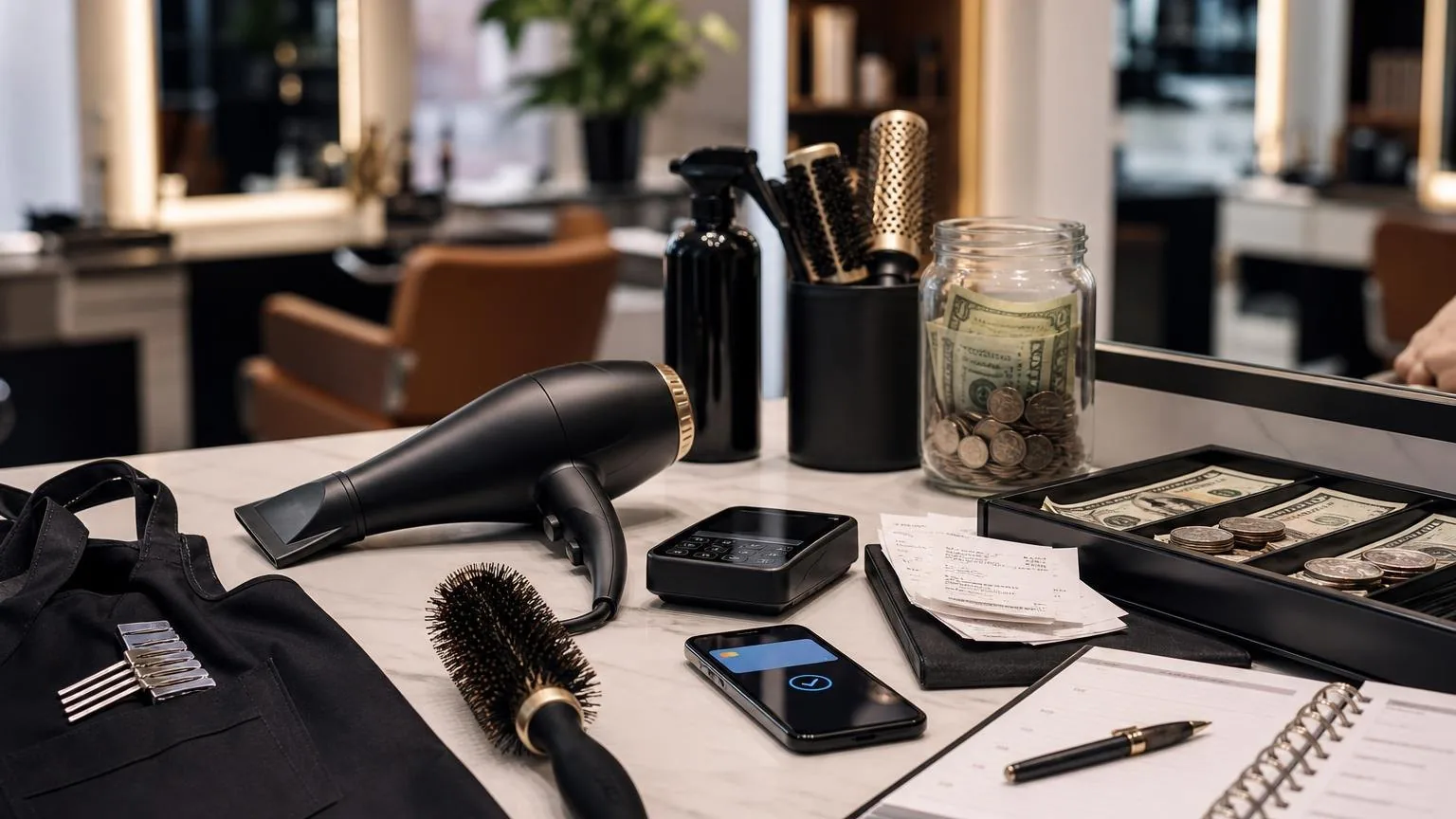
How blow dry stylists are paid: most are paid through one of 3 structures—hourly wage, commission per service, or a hybrid hourly-plus-commission model, with tips usually paid separately.
In a blow dry bar, compensation often tracks service volume: a 45-minute blowout, add-on curls, retail conversion, and rebooking can all affect take-home pay when commissions or bonuses apply.
Owners may also use tiered rates, for example higher percentages after a stylist reaches a weekly service target.
For stylists, the important details are written pay basis, tip distribution, break policy, training time, cancellation rules, and whether product sales count.
For owners, clarity prevents disputes: define what happens when a guest is comped, arrives late, or books two stylists for one finish.
Map Your Pay Shift
Before comparing pay structures, run one real shift through each model. Use your salon’s actual service menu, timing, and tip habits. This shows whether the headline rate matches what a stylist can take home on a normal blow dry bar day.
- Write the shift length. Use paid hours, not just service hours. Example: 8 hours scheduled, with 30 minutes for setup, cleanup, stock, and front desk handover.
- Count realistic services. A 45-minute blowout allows about 7 to 9 services in a full shift, depending on shampoo support, late guests, and finishing time.
- Add service value. Example: 8 blowouts at $55 equals $440. Add 3 curl upgrades at $15 each, bringing service sales to $485.
- Apply the pay structure. Hourly example: $18 x 8 hours = $144 before tips. Commission example: 40% of $485 = $194. Hybrid example: $15 x 8 hours plus 10% of $485 = $168.50.
- Add tips separately. If average tips are $10 per guest and 8 guests are served, add $80, unless your salon pools tips or deducts card fees where allowed.
Now mark the items that can change the result: walkouts, comped services, no-shows, training blocks, retail commission, assistant help, and rebooking bonuses. These details decide whether the best-looking structure is actually the best paid one.
Reading the Numbers Properly
Blow dry stylists are usually paid through a mix of hourly wages, tips, and sometimes service commission.
The reliable public benchmark is not “blow dry bar stylist” specifically, but the Bureau of Labor Statistics category for hairdressers, hairstylists, and cosmetologists.
That benchmark shows a wide spread, which matters for owners building pay plans and stylists judging offers. Tips, booking volume, rebooking, add-ons, and chair utilization can move take-home pay well above the posted hourly rate.
| Public wage benchmark | Amount | Source note |
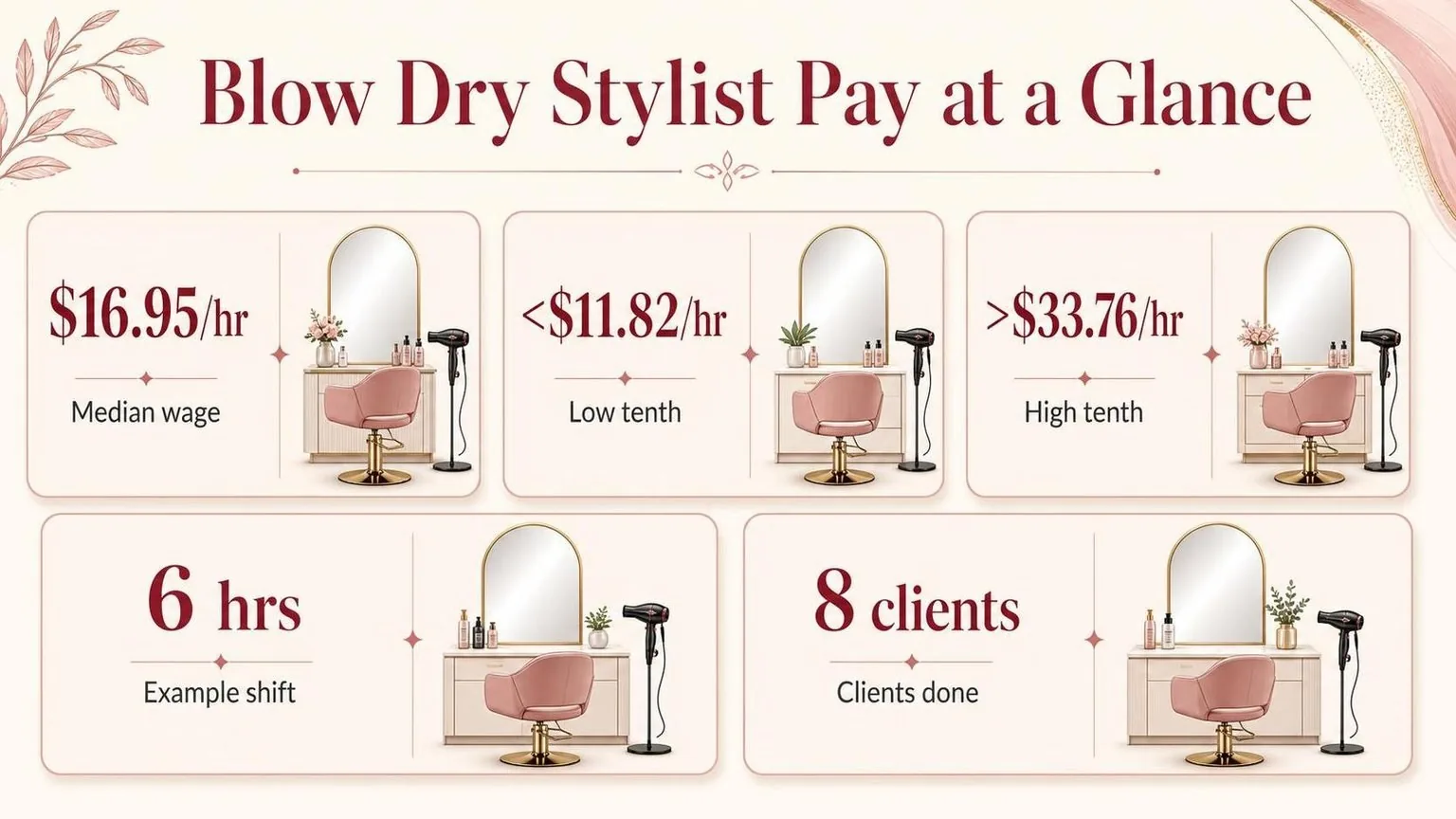
| Median hourly wage | $16.95 | BLS Occupational Outlook Handbook, hairdressers, hairstylists and cosmetologists (May 2024) |
| Lowest tenth | Less than $11.82 | BLS Occupational Outlook Handbook (May 2024) |
| Highest tenth | More than $33.76 | BLS Occupational Outlook Handbook (May 2024) |
For blow dry bars, the BLS number is a floor for analysis, not a complete pay picture.
A stylist doing polished, repeatable blowouts all day may have lower ticket complexity than a colorist, but higher daily client count and more frequent tipping opportunities.
| Common salon pay component | How it works | What to check in writing |
| Hourly wage | Paid for clocked time, including slow periods if the stylist is working | Base rate, overtime rules, training rate, meeting pay |
| Tips | Paid by clients through card, cash, or pooled distribution | Tip-out rules, pool formula, payout timing, processing deductions |
| Service commission | A percentage of service revenue, sometimes replacing or supplementing hourly pay | Commission percentage, threshold, refunds, discounts, no-show treatment |
| Retail commission | Percentage paid on product sold to clients | Eligible products, return deductions, payout schedule |
A practical blow dry pay model should be tested against service timing. If a bar books tightly, a stylist’s earnings depend on whether the schedule allows clean finishing work, sanitation, consultation, and checkout without unpaid spillover.
| Worked example | Figure |
| Base hourly rate | $18.00 |
| Shift length | 6 hours |
| Clients completed | 8 |
| Average tip per client | $10.00 |
| Base wages for shift | $108.00 |
| Tips for shift | $80.00 |
| Total gross before taxes | $188.00 |
| Effective gross hourly rate | $31.33 |
The key takeaway: posted hourly pay rarely tells the whole story. Compare guaranteed pay, realistic bookings, tip flow, commission math, and paid non-service time before deciding whether a blow dry role is competitive.
The Variables That Matter
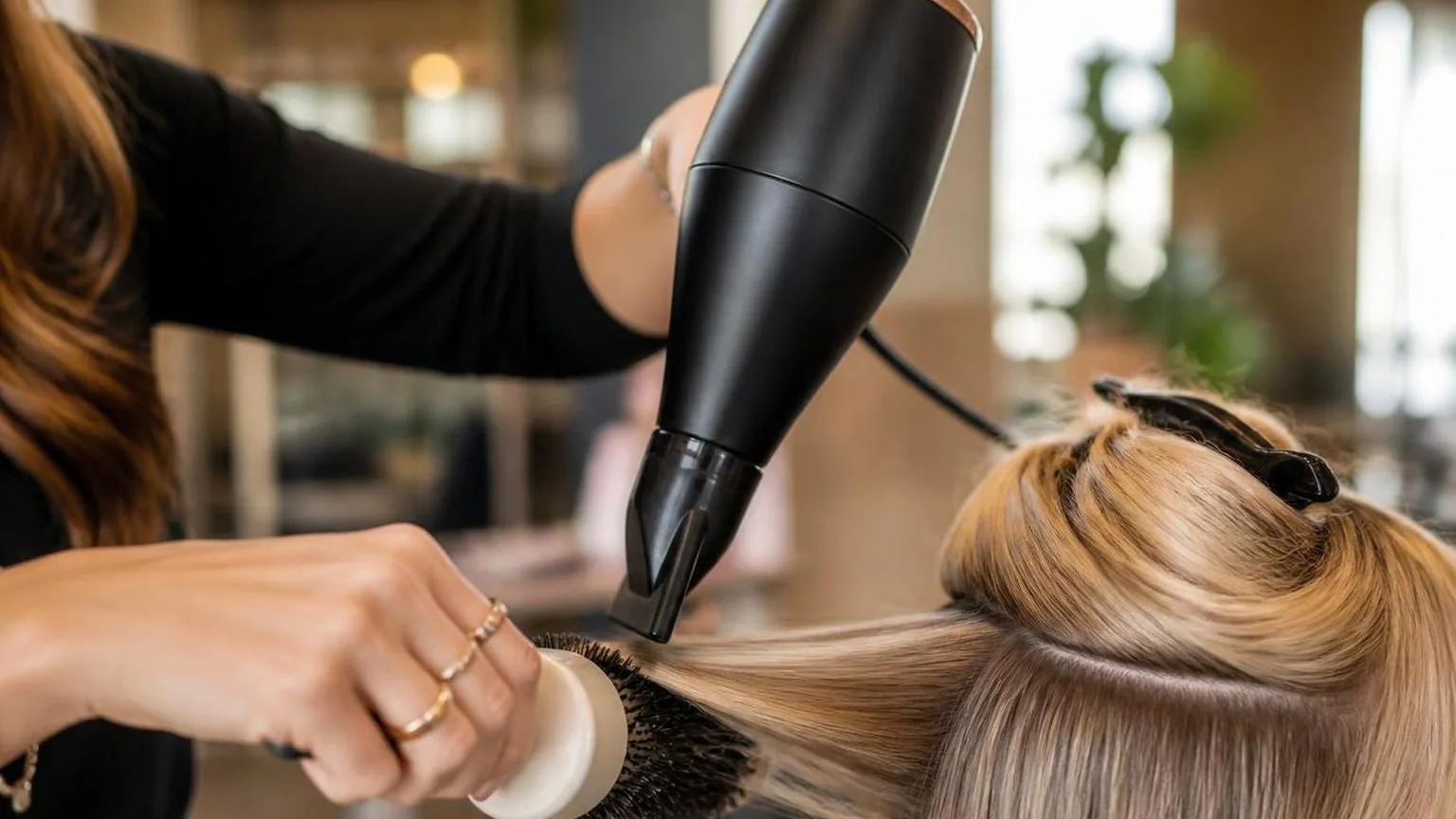
How much a blow dry stylist takes home changes with the pay model, booking volume, service speed, tips, and whether the salon treats time between clients as paid working time.
The biggest swing usually comes from occupancy: a full column pays very differently from a patchy one.
Pay structure sets the floor and ceiling
In US salons, stylists may be paid hourly, commission, or a blend, but the Fair Labor Standards Act requires non-exempt employees to receive at least the applicable minimum wage for all hours worked. Tips do not erase recordkeeping duties.
| Model | What changes take-home pay | Operational risk |
| Hourly | Clocked hours, overtime eligibility, tip volume | Low upside when the book is full |
| Commission | Service revenue, rebooking rate, retail policy | Must still satisfy wage rules where applicable |
| Hourly plus commission | Base rate, commission threshold, service mix | Confusion if formulas are not written clearly |
| Chair or booth arrangement | Client count, expenses, tax status | Misclassification risk if control looks like employment |
Speed and appointment design matter
A stylist doing polished blowouts needs enough time for consultation, wash, rough dry, brush work, finishing, sanitation, and checkout. Cutting the slot too tightly can raise gross bookings while lowering tip quality and client retention.
| Service block | Typical timing | Pay effect |
| Short hair or express finish | 30 to 35 minutes | More tickets possible if demand is steady |
| Standard blowout | 40 to 50 minutes | Common balance of pace and finish quality |
| Dense, long, or textured hair finish | 60 to 75 minutes | Needs pricing or add-on policy to protect earnings |
| Upstyle or iron finish added | 15 to 30 extra minutes | Can lift ticket average when booked properly |
Tips, add-ons, and downtime shift the final number
Tips are highly sensitive to finish, timing, client comfort, and front-desk scripting.
Add-ons such as hot-tool finishing or deep conditioning only help pay if the salon’s commission policy includes them and the appointment book allows the extra minutes.
- Occupancy: a stylist booked solid earns differently from one with gaps, even at the same menu price.
- Service mix: bridal, event, long-hair, and iron-finish work can raise average ticket size.
- Tip pooling: distribution rules change take-home pay for stylists, assistants, and front desk staff.
- Retail commission: product recommendations can add income when tracked through the stylist’s ticket.
- Prep and closing work: laundering towels, cleaning stations, and restocking should be addressed in pay policy.
For UK salons, employment status is equally important. HMRC and Acas guidance distinguish employees, workers, and self-employed chair renters by control, substitution, financial risk, and mutual obligation, not just by the label on the agreement.
Judging It in Practice
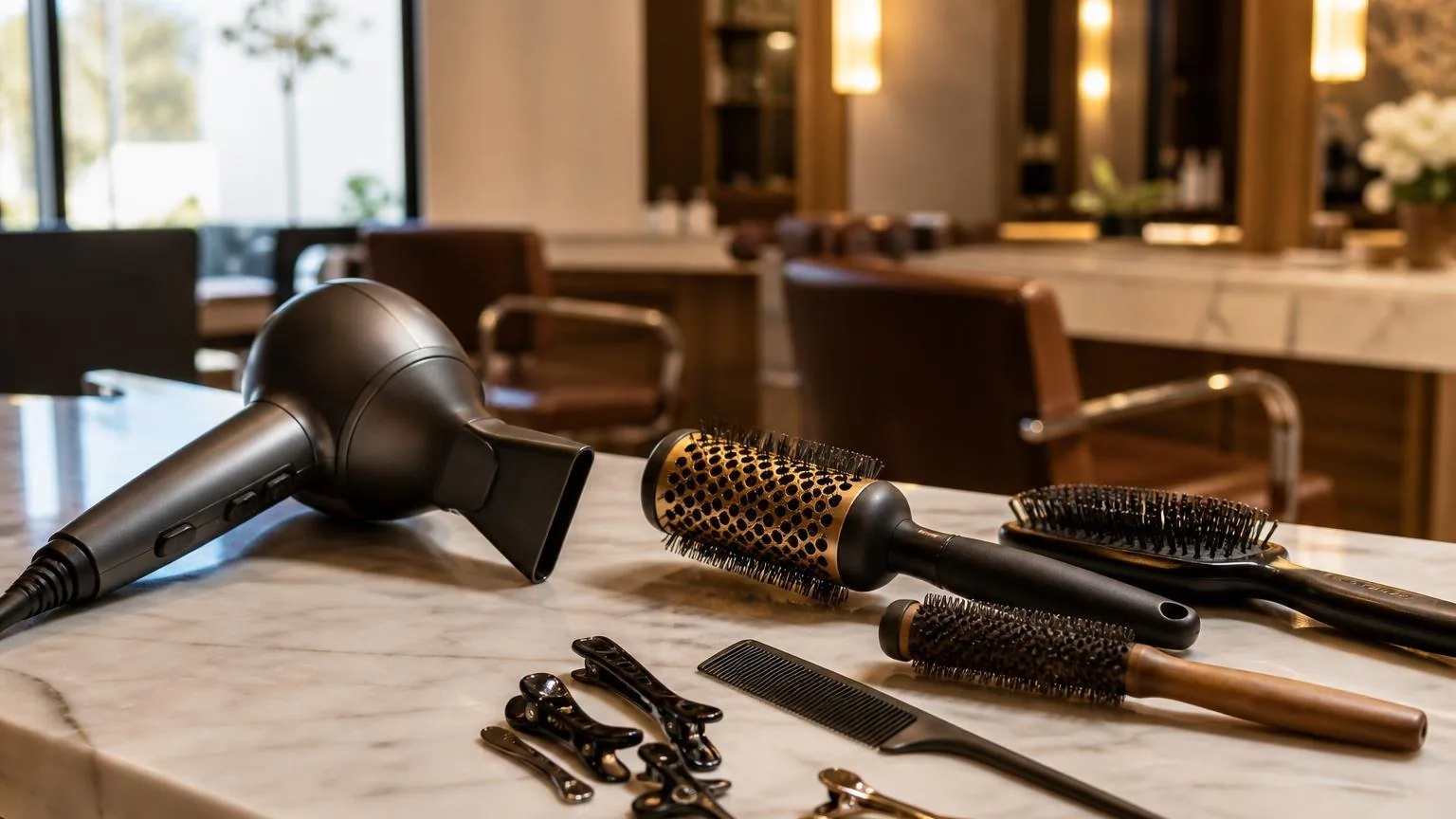
Judge a blow dry stylist’s pay model by watching what happens from consult to finish: timing, finish quality, rework, retail behavior, and client retention. A fair system pays for both speed and craft, not just the number of heads completed.
On the floor, compare pay against the actual service load. The U.S.
Bureau of Labor Statistics classifies hairstylists under personal care and service occupations, but blow dry bars often add commission, tips, service bonuses, retail incentives, or chair targets on top of hourly pay.
| Real-hair checkpoint | What to measure | Why it matters for pay |
| Consult | 2 to 4 minutes before shampoo | Shows whether paid time supports proper finish planning |
| Shampoo and prep | 6 to 10 minutes | Rushed prep can make commission-only work look faster than it is |
| Blow dry on fine hair | 25 to 35 minutes | Useful baseline for service-rate productivity |
| Blow dry on dense or long hair | 45 to 60 minutes | Tests whether pay adjusts for labour intensity |
| Rework time | 0 to 5 minutes target | High rework cuts true earnings per hour |
Watch one full shift, not one polished appointment. A stylist who completes 7 blowouts with 3 corrections may earn less useful profit than a stylist who completes 6 clean finishes with strong rebooking and no chair delay.
Texture and density matter. A 35-minute smooth finish on shoulder-length, medium-density hair is not the same labour as a 60-minute round-brush set on waist-length, high-density hair.
Pay plans should recognise the difference through tiers, add-ons, or protected timing.
- Hourly pay is easiest to audit: compare clocked hours with booked service time, clean-up, laundry, front-desk support, and mandatory training.
- Commission should be judged against actual completed service value, not theoretical menu capacity.
- Tips should never be treated as a substitute for base wages in performance reviews.
- Retail commission is credible only when stylists have time to explain product use after the finish.
| Pay model | Real-hair test | Warning sign |
| Hourly | Does the stylist maintain finish quality late in the shift? | Low accountability for timing or rebooking |
| Commission | Does the stylist skip sectioning or cooling to finish faster? | Speed rewarded over durability |
| Hybrid | Does the floor track service mix and add-ons accurately? | Complex rules stylists cannot calculate |
| Team bonus | Does everyone protect guest flow and cleanliness? | Strong stylists carry weak output |
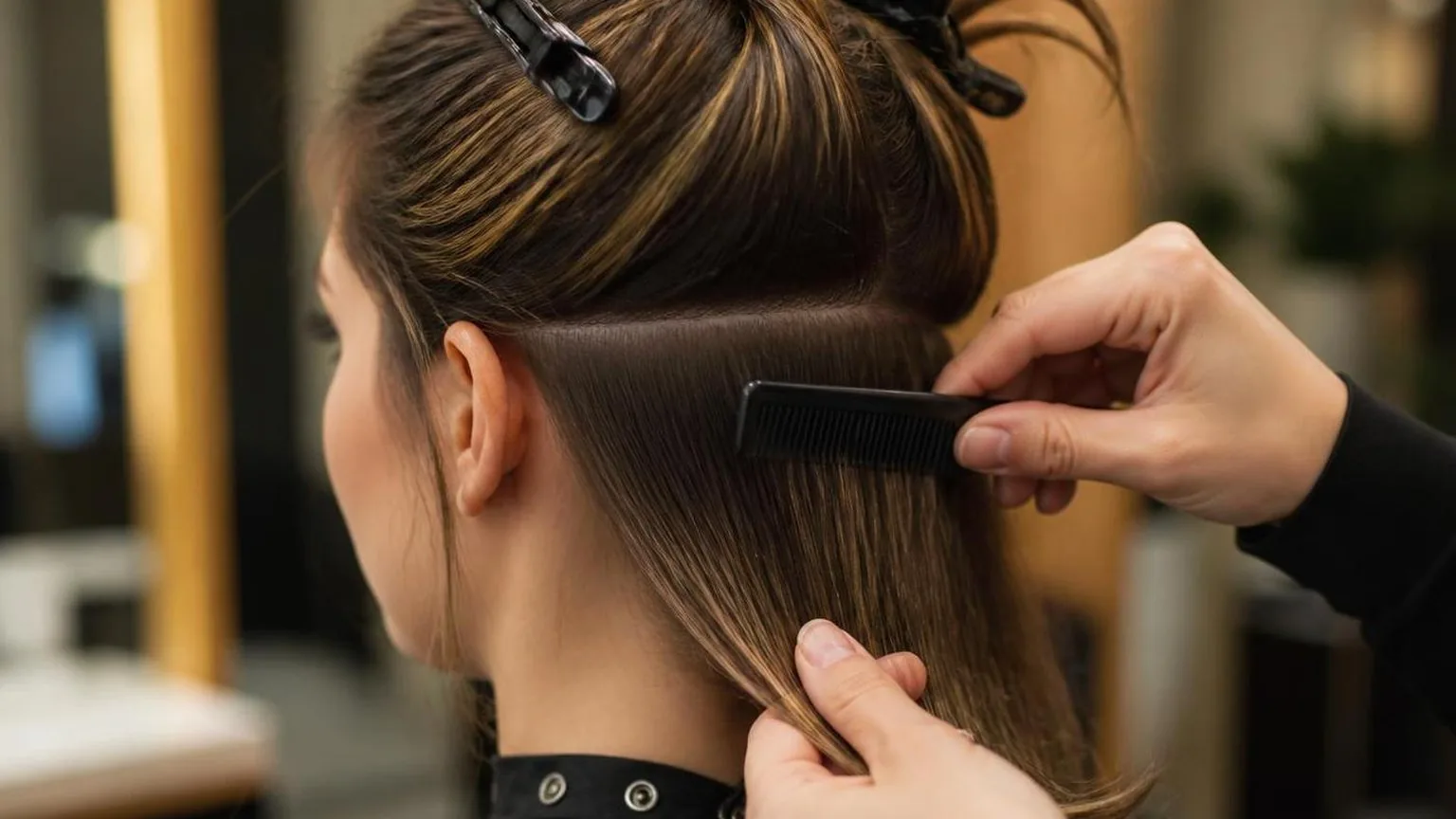
For craft judgement, look at section size. Professional blow dry work usually uses clean sections around 1 to 2 inches wide, matched to brush diameter and density.
If pay pressure pushes sections larger, the finish often loses root control and bend consistency.
Use heat control as another clue. Many professional dryers operate with nozzle airflow and heat settings selected by hair type, commonly using lower heat for fine hair and higher airflow for dense hair.
A rushed stylist may overheat instead of sectioning properly.
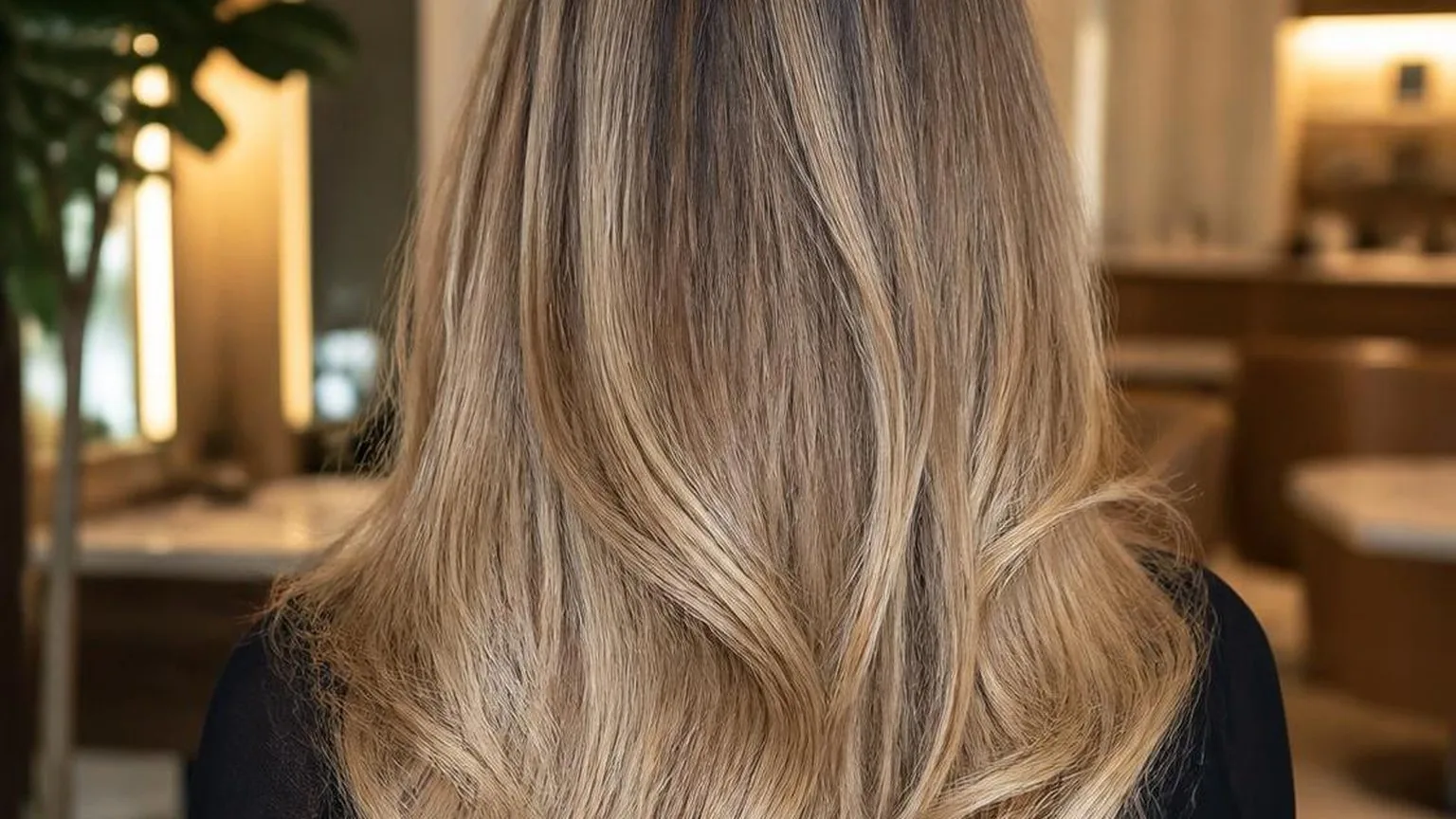
The best pay structure is visible in the hair: even roots, dry interior sections, polished ends, and a finish that still looks intentional after the client stands up, pays, and moves outside the styling chair.
How It Compares to the Alternatives
Blow dry stylists are usually paid more predictably than booth renters, but with less upside than high-performing commission stylists.
The core trade-off is security versus control: employee roles smooth out slow days, while self-employed routes expose the stylist to rent, gaps, travel time, and supplies.
In a blow dry bar, the business normally owns the booking flow, menu, tools, backbar, and client data. That makes hourly pay plus tips the cleanest model, especially where appointments are stacked in short, repeatable services.
| Route | Typical pay structure | Main upside | Main risk |
| Blow dry bar employee | Hourly wage, tips, sometimes retail or add-on commission | More stable floor on quiet shifts | Lower control over pricing and schedule |
| Full-service salon employee | Hourly, commission, or hybrid | Higher ticket potential from cuts, color-free styling menus, and treatments excluded here | Longer services mean fewer daily guests |
| Commission stylist | Common salon splits sit around 40% to 60% of service revenue | Strong upside when fully booked | Income drops quickly with cancellations |
| Booth or chair renter | Keeps client revenue after fixed rent and expenses | Highest control over menu and clientele | Rent is due even when the chair is empty |
| Mobile stylist | Self-employed service fee plus travel policy | Flexible territory and private clients | Unpaid drive time, setup, parking, and kit wear |
The U.S. Department of Labor’s Fair Labor Standards Act sets a federal cash wage floor for tipped employees, but tips only count when legal tip-credit rules are followed. State rules can be higher, so salon payroll has to be checked locally.
| U.S. federal wage reference | Amount |
| Federal minimum wage | $7.25 per hour |
| Federal tipped cash wage minimum | $2.13 per hour |
| Minimum combined cash wage plus tips | $7.25 per hour |
Time structure matters. A blow dry bar can produce steadier gross sales per station because services are standardized, towel-to-chair flow is tight, and assistants can reset stations fast.
A traditional stylist may earn more per guest, but fewer guests fit into the day.
| Service environment | Common appointment block | Pay implication |
| Express dry style | 20 to 30 minutes | More tip opportunities per shift |
| Standard blowout | 35 to 45 minutes | Best fit for hourly plus tips |
| Long, dense, or extension-safe finish | 60 minutes or more | Needs add-on pricing or protected timing |
In the UK, employee stylists must be paid through payroll, with holiday pay and minimum wage rules applied by age and status.
Self-employed chair renters invoice clients or the salon, but they also carry their own tax records, insurance, stock control, and appointment gaps.
For owners, the blow dry bar model is easiest to forecast when pay is tied to scheduled hours, tip reporting, rebooking, retail, and add-on attachment.
For stylists, it suits people who want fast craft repetition, client volume, and less financial exposure than renting a chair.
Heat and Tension Without the Damage
Pay structure changes pace, but it should not change the heat discipline.
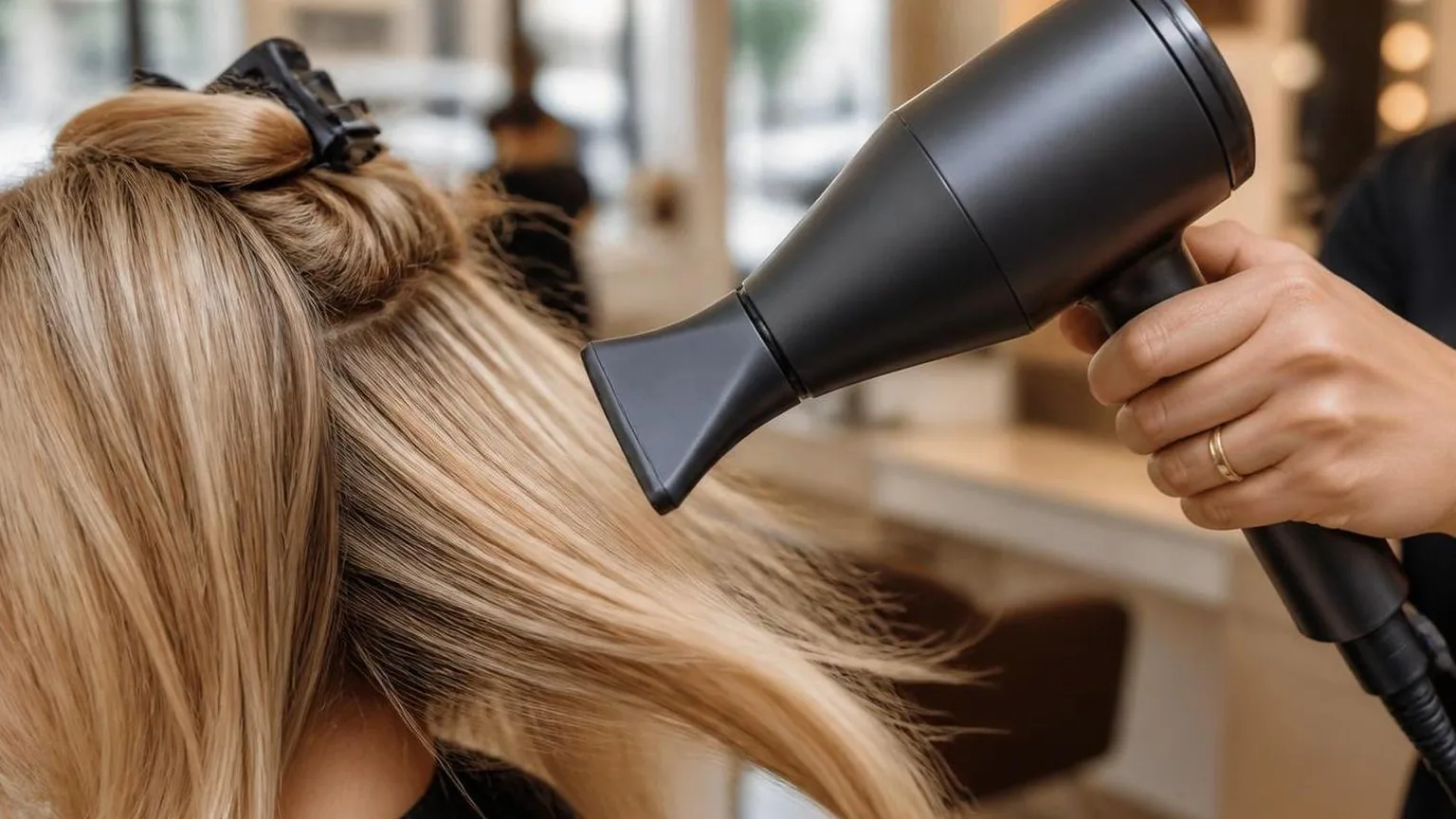
Whether a stylist is hourly, commission-based, or tip-driven, the safe professional finish comes from controlled airflow, measured tension, and stopping each section when it is dry rather than overheated.
Cosmetic science texts, including Robbins’ Chemical and Physical Behavior of Human Hair, describe hair as a keratin fiber that is weakened by repeated high heat, especially when wet.
In the chair, that means faster work should come from cleaner sectioning, not hotter passes.
| Control point | Professional working target | Why it matters |
| Dryer distance from hair | About 6 inches / 15 cm from the section | Reduces surface overheating while keeping airflow productive |
| Nozzle width | 45 mm to 75 mm concentrator opening | Directs air along the hair shaft instead of blasting the cuticle upward |
| Brush section width | No wider than the brush barrel | Keeps tension even from roots to ends |
| Section thickness | About 1 cm to 2 cm for dense hair | Prevents damp centers that invite repeated passes |
In a busy blow dry bar, stylists are often rewarded for consistency and rebooking, not just chair turnover. A fast finish that leaves ends rough can cost more in remakes, discounted fixes, and weaker client retention than the extra minutes saved.
| Hair feel during drying | Heat approach | Tension approach |
| Fine or fragile-feeling | Low to medium airflow heat, then cool shot | Light pull; brush should glide without tugging |
| Medium density | Medium heat with concentrator attached | Firm, steady pull; no bouncing at the ends |
| Coarse or high density | Medium-high heat only while hair is damp | Strong tension at roots, reduced tension through dry ends |
The practical rule is to remove moisture first, then polish. The highest heat should be used while water is still evaporating, not after the section already feels dry and warm to the fingers.
| Stage | Typical target | Stylist cue |
| Rough dry before brush work | Hair about 70% to 80% dry | Roots feel lifted, lengths still slightly cool |
| Brush shaping | Small sections, 10 to 20 seconds each | Air follows brush from root to end |
| Set and cool | 5 to 10 seconds per section | Section feels dry, smooth, and no longer hot |
Payment plans should build in these standards. A salon can track service time, re-dos, client requests, and retail education, but heat shortcuts should never be the hidden path to higher earnings.
- For owners: train assistants to pre-dry correctly so senior stylists are not forced to overheat at the brush stage.
- For stylists: use narrower sections before increasing heat; it is usually faster and kinder to the fiber.
- For clients at home: if hair is too hot to touch comfortably, stop and let the section cool before continuing.
What Is Happening to the Hair
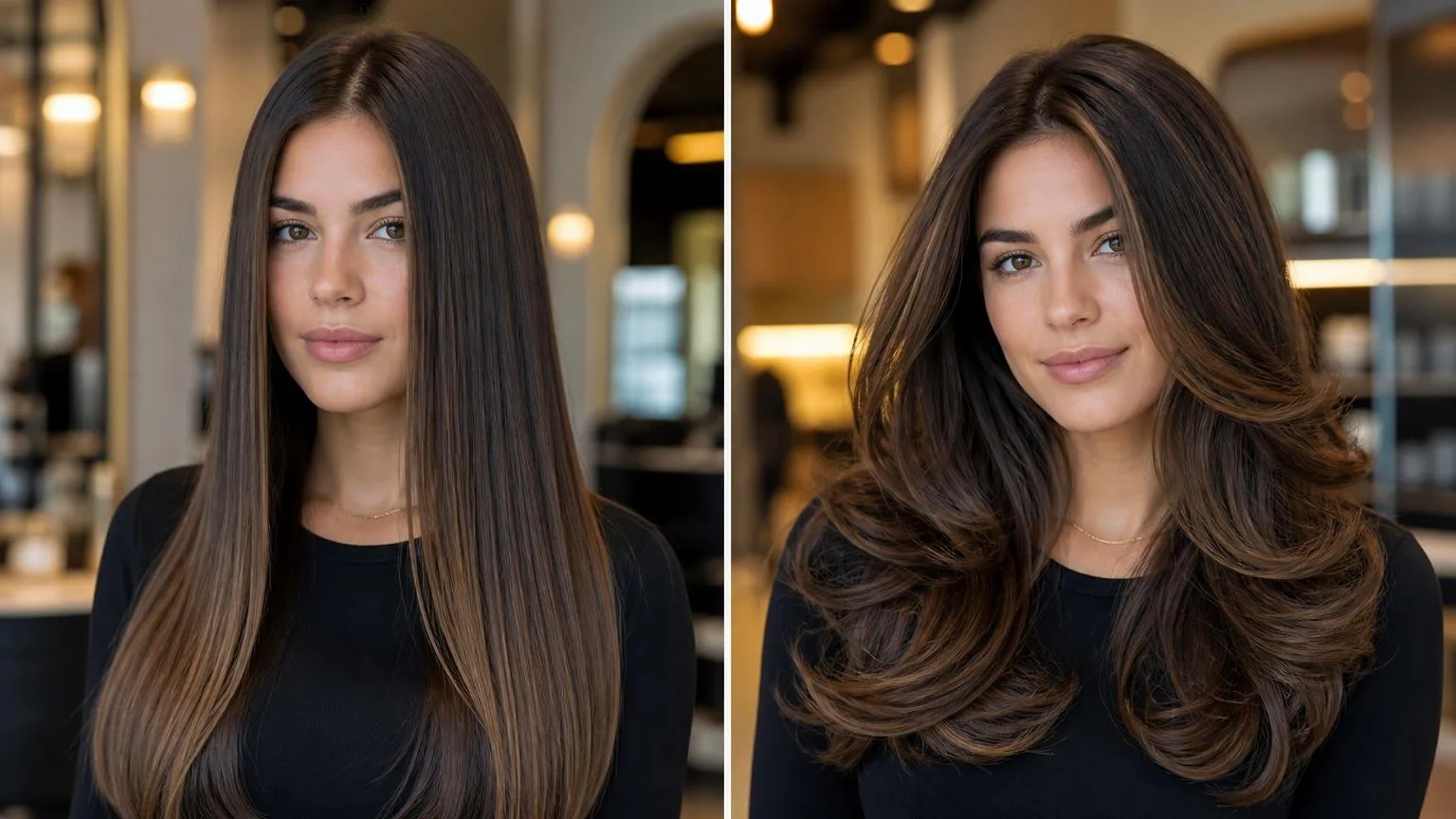
Stylist pay is shaped less by the posted service menu and more by chair time, add-ons, re-dos, tip flow, and whether cleanup time is paid.
On real blowouts, the same “standard” appointment can vary by 22 minutes depending on density and finish.
The working time changes because hair density, length, moisture level, section control, and finish choice all change how many passes are needed before the cuticle is dry, smooth, and set.
For pay planning, the full service should be mapped from consultation to cape-off, with back-bar setup, tool reset, and station cleanup treated as separate labor.
| Hair type | Section size | Nozzle distance | Passes per section | Service time |
| Fine, above-shoulder | 2 in by 2 in | 1.5 to 2 in | 2 to 3 | 31 to 36 min |
| Medium, collarbone | 2 in by 1.5 in | 1.5 in | 3 to 4 | 42 to 49 min |
| Dense, mid-back | 1.5 in by 1 in | 1 to 1.5 in | 4 to 6 | 58 to 67 min |
A concentrator nozzle keeps airflow narrow and controlled. Directing airflow down the hair shaft supports a smoother finish because the brush, tension, and airflow work in the same direction.
Medium-to-high heat is common for efficient blow-dry work, with dryer outlet readings between 160°F and 205°F depending on distance and speed setting. Distance matters because closer airflow increases drying force and heat exposure at the section.
The pay issue is clearest on dense hair. A stylist paid per service earns the same base amount whether the blowout takes 36 minutes or 67 minutes, unless the salon has a length, density, or extra-time modifier.
| Pay model | What it rewards | Where it can fall short |
| Hourly | Time on premises | Did not directly reward faster, fuller books |
| Commission | Higher ticket services and add-ons | Slow guests reduced earning capacity |
| Flat service rate | Speed and repeatable technique | Dense or long hair cut effective hourly earnings |
| Hourly plus tips | Stability plus guest satisfaction | Tip variation changed take-home pay sharply |
Finishing add-ons change the appointment because the hair must be re-sectioned, clipped cleanly, and allowed to cool safely after heat styling. A smooth blowout with no iron finish averages 44 minutes across this service map.
Adding loose waves with a 1.25 in iron adds 11 to 16 minutes, including section re-clipping and heat-safe cooling time.
- Prep and consultation took 4 to 7 minutes before the dryer started.
- Round-brush drying took 24 to 51 minutes, depending on density and length.
- Iron finishing added 11 to 16 minutes when requested.
- Station reset, towel drop, and tool wipe-down took 5 to 8 minutes.
For owners, the practical point is simple: pay plans should account for booked service time, not just service category. For stylists, the question is whether unpaid reset time, density work, and add-ons are recognized in the compensation formula.
Mistakes Worth Avoiding
The biggest mistake is assuming every blow dry stylist is paid the same way. In most bars, take-home pay is a mix of hourly wage, service commission, retail commission, tips, and sometimes bonuses tied to rebooking or productivity.
Another common myth is that “tips make the wage legal” in every situation.
In the US, federal rules allow a tip credit only if the employer follows strict notice, minimum wage, and tip-pooling requirements under the Fair Labor Standards Act.
Myth: commission replaces hourly pay
Commission can sit on top of hourly pay, or it can be part of a guaranteed wage structure.
The key compliance point is whether total pay reaches the required minimum wage for every hour worked, including slow periods, meetings, cleaning, and training.
| Pay item | Common salon meaning | Watch point |
| Hourly wage | Paid for time on the clock | Must cover non-service duties |
| Service commission | Percentage of blowout revenue | Often calculated before discounts or after discounts |
| Retail commission | Percentage on product sales | Usually lower than service commission |
| Tips | Customer-paid gratuities | Cannot be treated the same as mandatory service charges |
Myth: a busy book always means strong earnings
A stylist doing 8 blowouts may earn less than a stylist doing 6 if the second stylist has higher add-ons, retail conversion, and tip averages. Productivity is not just appointment count; it is ticket quality and paid hours.
| Example metric | Stylist A | Stylist B |
| Blowouts completed | 8 | 6 |
| Average service ticket | $45 | $60 |
| Retail sold | $0 | $80 |
| Tip average | 15% | 22% |
Myth: assistants and juniors are unpaid until they “prove themselves”
If someone is required to be present, follow instructions, greet guests, wash tools, sweep stations, fold towels, or shadow as part of the job, that time is generally work time. Training pay is not optional simply because the stylist is new.
Myth: tip pooling is always fine
Tip pools need careful handling. In the US, managers and owners generally cannot keep employee tips.
Valid pools usually involve workers who customarily receive tips, such as stylists, shampoo assistants, or front-desk staff involved in guest service.
- Do not include owners in a stylist tip pool.
- Separate voluntary tips from mandatory service charges.
- Show tip deductions and distributions clearly on wage records.
- Explain the formula before the first paid shift.
Myth: booth rent and employment are just paperwork choices
A renter typically controls schedule, pricing, product choices, client records, and service method.
If the bar sets hours, scripts, prices, tools, uniform, and booking rules, the relationship looks more like employment than independent business ownership.
Frequently Asked Questions
Are blow dry stylists paid hourly or by commission?
Most blow dry bars use hourly pay plus tips, especially where bookings are short and tightly scheduled. Some salons add commission once a stylist reaches a service-sales threshold, such as 35% to 50% of service revenue after a set target.
Do blow dry stylists keep all their tips?
Tip handling depends on the salon policy and local law.
In many US blow dry bars, stylists keep direct tips, while some teams use tip pooling between stylists, assistants, and front desk staff; UK salons may handle gratuities through payroll or a tronc system.
How does commission work in a blow dry bar?
Commission is usually based on completed service revenue, not the menu price before discounts or refunds.
A stylist might earn a percentage after covering a daily or weekly productivity target, with add-ons like deep conditioning or extensions sometimes counted separately.
Are assistants or junior stylists paid differently?
Assistants and junior stylists are commonly paid hourly while they train on sectioning, brush control, shampoo service, and finishing standards. They may receive shared tips or model-day gratuities before moving onto a full booking column.
What affects a blow dry stylist’s take-home pay?
Key factors include booked hours, rebooking rate, service speed, add-on uptake, tip average, and no-show policy.
A stylist completing 6 to 9 blowouts per shift can earn very differently depending on whether pay is hourly-only, hourly plus tips, or commission-based.
What is a typical starting wage for a blow dry stylist?
Starting pay usually depends on location, salon pricing, and the stylist’s experience. Many new blow dry stylists begin with an hourly base rate and may earn more through tips, add-on services, or performance incentives.
Can blow dry stylists earn more in busy salons?
Yes, a busy salon can increase earning potential because stylists may handle more appointments in a shift. Higher client volume can also lead to more tips and opportunities to sell treatments or upgrades.
Do blow dry stylists make more with special occasion styling?
Special occasion services, such as updos, curls, or bridal styling, often cost more than a standard blowout. Stylists who are trained in these services may be able to earn more per appointment.
Does location affect how much blow dry stylists make?
Yes. Stylists in higher-priced areas or upscale salons may earn more through higher service prices, tips, and steady client demand.
Related Reading
- The types of salon insurance, and what each covers
- How booth rental works, and who it suits
- The blow dry bar business model, explained
- What a blow dry bar is, and how the model works
- The licences a blow dry bar needs, and who issues them
- How salon memberships work, and when they backfire
- Insuring a stylist’s hands: what cover exists
- When a salon needs an alcohol licence
- The complete guide to the blow dry bar business