
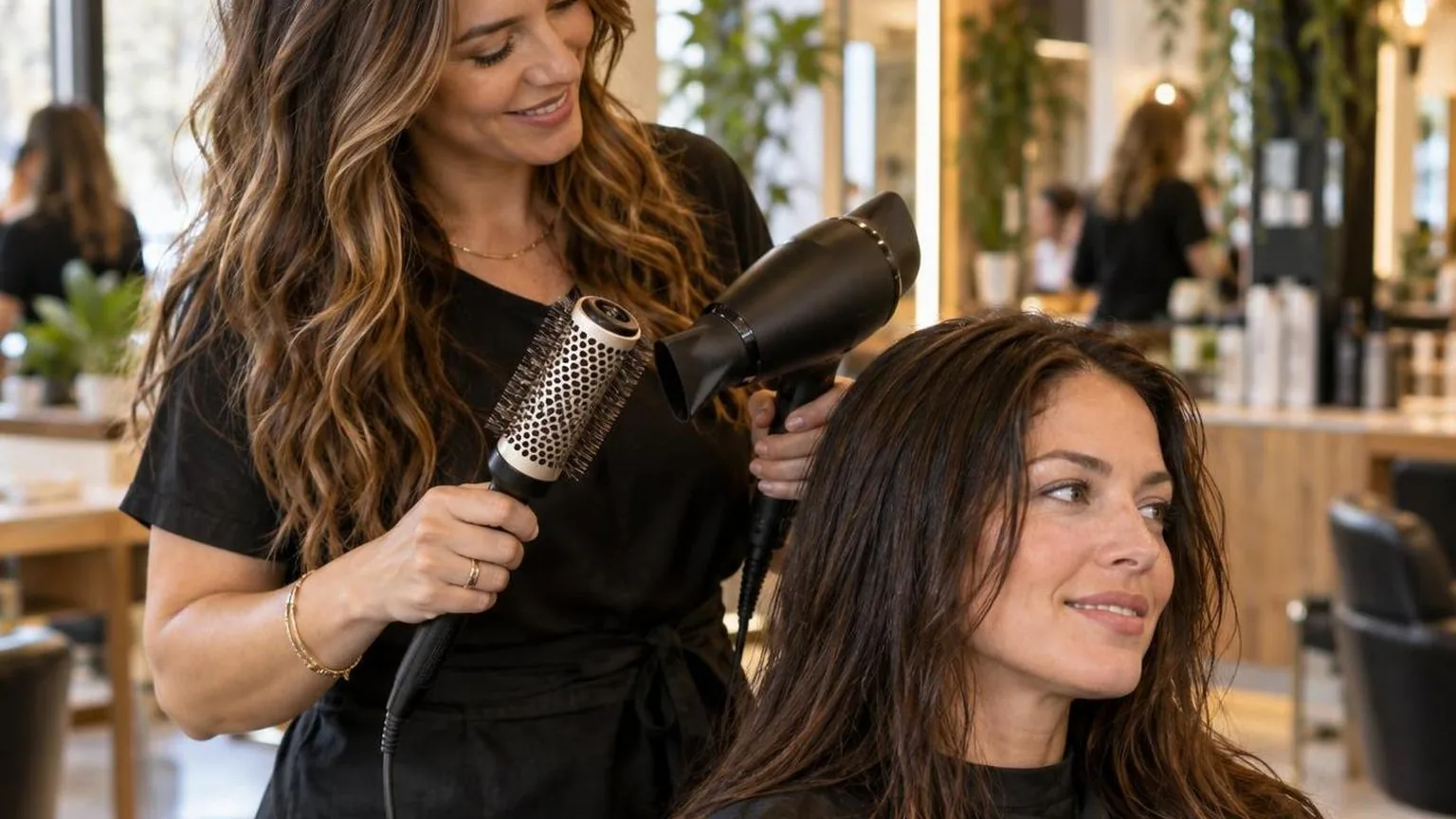
How to price a blowout starts with calculating your per-service cost: add product usage (typically 15–20 ml of styling product), stylist time, and chair occupancy, then apply a margin of 40–60% above that total.
This baseline prevents undercharging.
Factor in local median income, competitor positioning within a 3-mile radius, and service duration — a standard blowout runs 30–45 minutes.
Tiered pricing by hair length (short, medium, long) lets you capture value accurately without alienating walk-in clients seeking a quick style.

Calculate Your Per-Chair Blowout Cost
Before setting a menu price, know exactly what each blowout costs you to deliver. Grab your last supply invoice and a calculator.
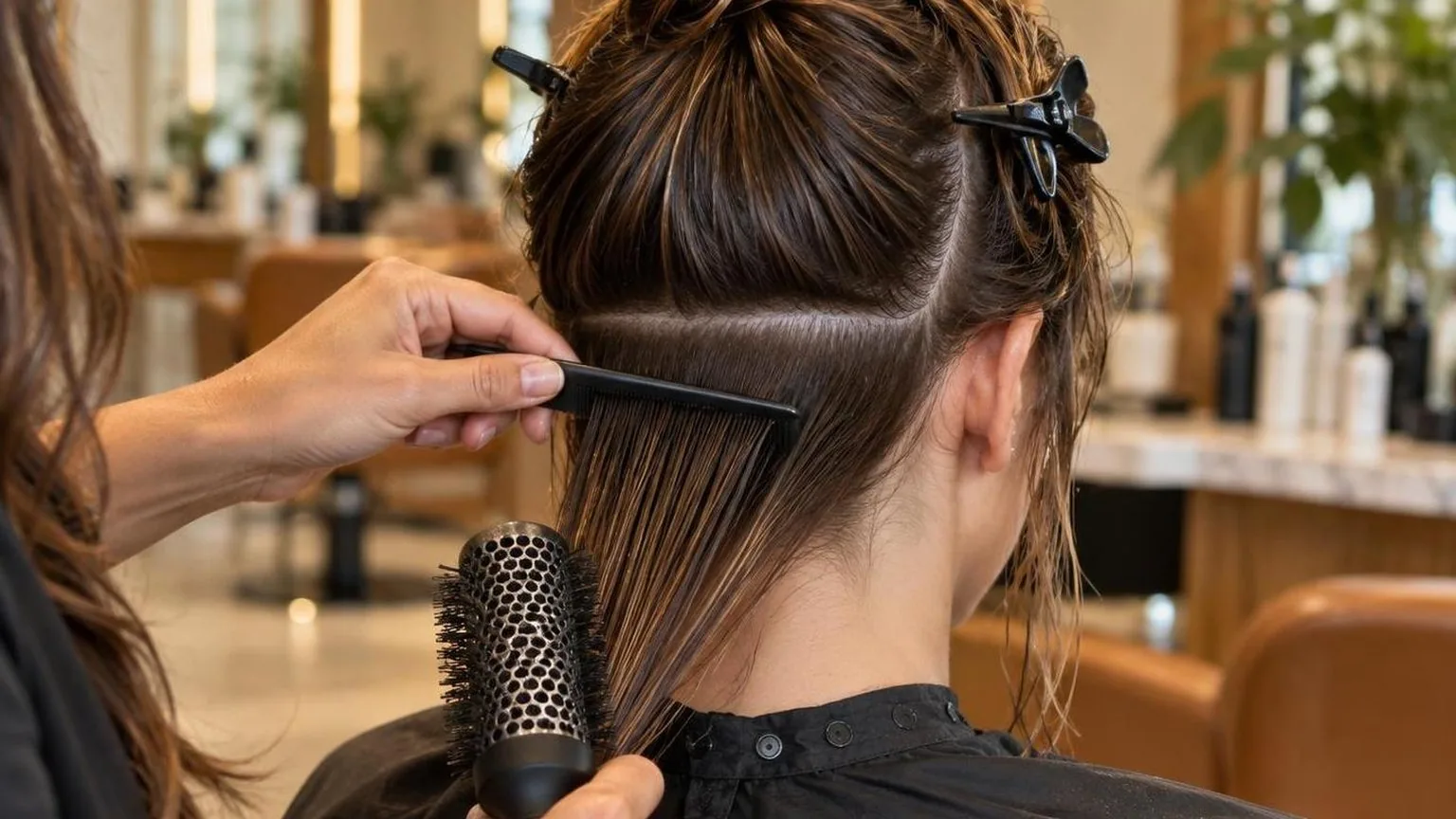
- Tally product cost per service. Measure what you actually dispense: most blowouts use 8–12 ml of shampoo, 10–15 ml of conditioner, and 5–10 ml of heat protectant. Multiply each by your per-ml cost from the bottle’s total volume. A 300 ml professional shampoo purchased at wholesale for £6 works out to £0.02/ml — so 10 ml costs £0.20. Do this for every product in the service.
- Add your time cost. Divide your stylist’s hourly wage (including tax and benefits) by 60 to get a per-minute rate. A stylist earning $18/hour costs $0.30/minute. A 45-minute blowout on medium-density hair therefore carries $13.50 in labour alone.
- Factor fixed overhead per chair-hour. Total your monthly rent, utilities, insurance, and software, then divide by the number of styling chairs, then by the hours each chair is bookable per month. A salon paying $4,800/month with 4 chairs open 160 hours each runs $7.50 per chair-hour — or $5.63 for a 45-minute slot.
- Sum all three figures. That total is your breakeven floor. Industry benchmarks suggest pricing at 2.5–3× this number to cover profit margin, no-show absorption, and tool depreciation.
Every number after this point in the article only matters once you know your own floor price.
What the Figures Add Up To
Blowout pricing in the US typically ranges from $35 to $75 for a standard service, depending on market tier, stylist experience, and salon positioning.
The figures that matter most sit behind that ticket price: cost of goods, labor minutes, and chair turnover rate.
Understanding your per-service cost is non-negotiable. Every blowout carries fixed and variable expenses that determine whether a $45 ticket actually generates profit or quietly bleeds money.
Average Product Cost Per Blowout
Track dispensary usage across 20 services to establish a reliable per-client product cost. Most single-process blowouts consume the following:
| Product | Amount Used | Approx. Cost Per Use |
| Shampoo | 10–15 ml | $0.30–$0.55 |
| Conditioner | 10–15 ml | $0.35–$0.60 |
| Heat protectant | 5–8 ml | $0.40–$0.70 |
| Finishing spray or serum | 3–5 ml | $0.25–$0.50 |
| Styling mousse or cream | 5–8 ml | $0.30–$0.55 |
Total product cost per blowout typically lands between $1.60 and $2.90. Salons using premium professional lines may reach $3.50 to $4.50 per service.
Labor: The Largest Line Item
A standard blowout takes 30 to 45 minutes of active stylist time, plus 5 to 10 minutes for consultation, shampooing, and checkout. Commission-based stylists typically earn 40% to 50% of the service ticket.
On a $50 blowout with a 45% commission, labor cost is $22.50. Add product cost of $2.50 and you retain roughly $25 before overhead.
Overhead Allocation Per Chair Hour
Divide monthly fixed costs — rent, utilities, insurance, software subscriptions — by total available chair hours to find your overhead rate. A common benchmark:
| Monthly Overhead | Chairs | Hours/Month (per chair) | Cost Per Chair Hour |
| $8,000 | 4 | 160 | $12.50 |
| $14,000 | 6 | 160 | $14.58 |
A 45-minute blowout occupying a chair at $12.50/hour absorbs roughly $9.38 in overhead. Factor this into every pricing decision.
Minimum Viable Ticket Price
Stack the three cost layers to find your floor price:
- Product cost: $2.50
- Labor (45% commission on ticket): variable
- Overhead per service (45 min): $9.38
If product plus overhead alone totals $11.88 before labor, a $35 blowout at 45% commission nets just $3.87 profit. That margin cannot sustain a business through slow weeks.
Target a minimum 15% to 20% net margin after all three cost layers. Work backward from that margin to set your price, not forward from a competitor’s menu board.
What Changes the Result
Four variables drive the final price of a blowout more than any others: hair length, hair density, the finish requested, and add-on treatments.
Each one shifts service time, product consumption, and the skill level required — all direct cost inputs.
Hair Length and Density
Longer, thicker hair demands more time under tension and more product per pass. A chin-length bob on medium-density hair averages 30–35 minutes of active blow-dry time. Waist-length, high-density hair can push that to 55–70 minutes.
| Length | Density | Avg. Service Time | Typical Product Use |
| Chin (above collarbone) | Fine–Medium | 25–35 min | 1–2 pumps heat protectant, 8–10 mL finishing serum |
| Mid-length (collarbone–bra strap) | Medium | 35–45 min | 2–3 pumps heat protectant, 12–15 mL finishing serum |
| Long (below bra strap) | Medium–Thick | 45–60 min | 3–4 pumps heat protectant, 18–22 mL finishing serum |
| Waist-length+ | Thick/Coarse | 55–70 min | 4–5 pumps heat protectant, 22–28 mL finishing serum |
Product cost per service rises roughly in proportion to volume used. Track millilitres dispensed per blowout over 20 services to find your real per-head cost.
Finish Type
A smooth, straight blowout is the baseline service. Requesting volume, a Hollywood wave set, or a bouncy curl finish adds 10–20 minutes of active styling beyond the dry. That time has a labour cost.
- Smooth/straight — round brush + nozzle, standard timing
- Soft wave or bend — round brush manipulation, adds 8–12 minutes
- Full curl or Hollywood wave — requires sectioned pin-curling or iron work post-dry, adds 15–20 minutes
- Volume blowout — root-lifting clips, directional drying, Velcro rollers (typically 6–10 rollers, 38–50 mm diameter), adds 10–15 minutes of set time
Add-On Treatments
Deep-conditioning masks, bond-repair treatments, and scalp scrubs applied before the blowout extend chair time by 10–25 minutes. They also carry their own product cost, which must be itemised separately in your pricing model.
Texture matters too. Curly and coily hair types (3B–4C on the Andre Walker scale) often need a tension or stretch-dry phase before the finishing blowout, adding another 10–15 minutes of skilled labour.
Price tiers built around these variables let clients self-select. List each modifier with a clear upcharge rather than quoting custom prices at the chair, which slows throughput and creates inconsistency across your team.
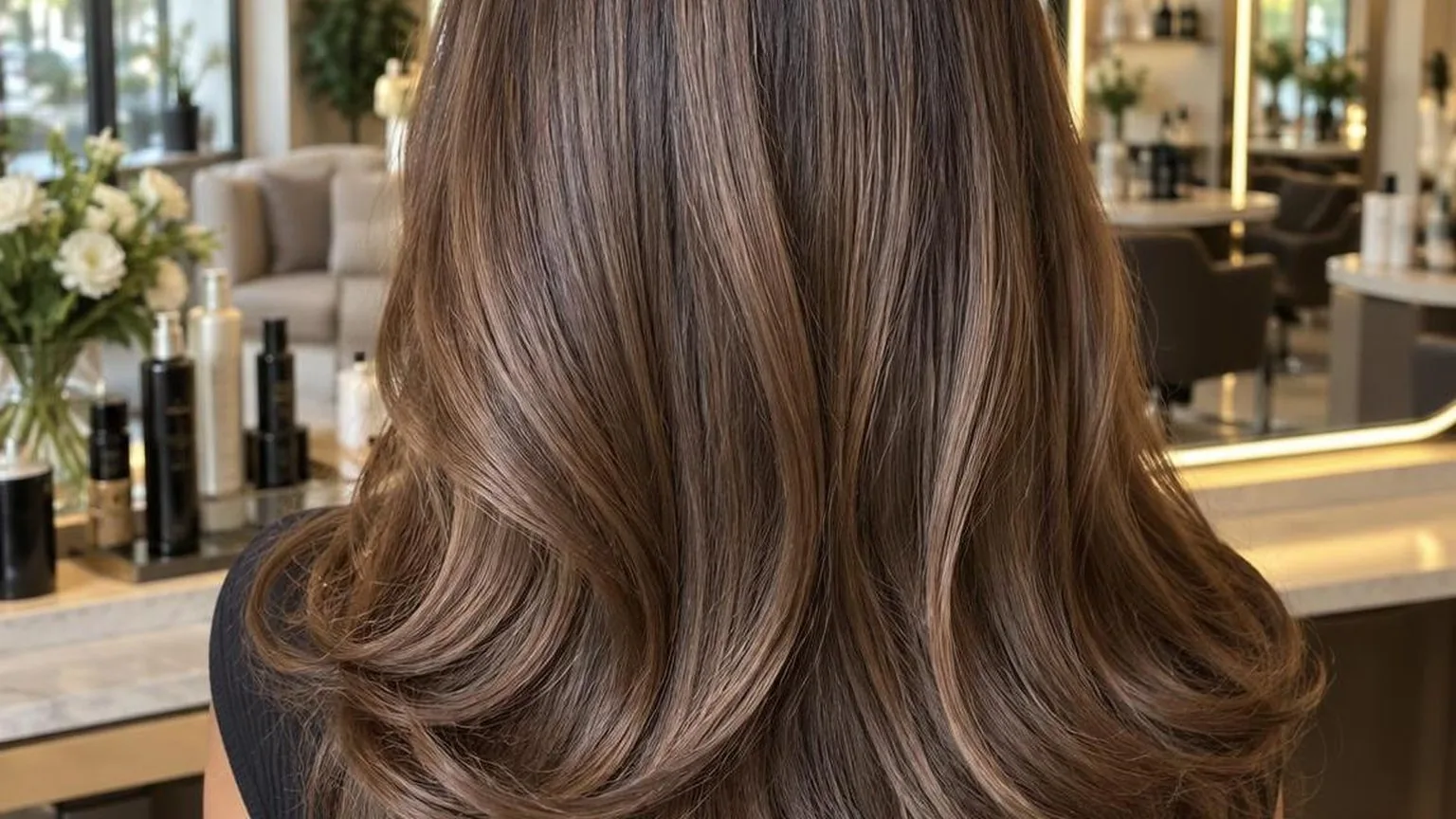
Judging It in Practice
Pricing a blowout in practice means tracking three numbers per appointment: minutes on the clock, product cost per head, and chair revenue per hour. If any figure drifts more than 15% from your target, the price needs adjustment.
Start by timing ten consecutive blowouts with a stopwatch. Record the stylist, hair length, and thickness grade (fine, medium, coarse). Average the results to find your true service time — not the time on your booking software.
| Hair Length | Avg Service Time | Product Used | Target Chair Revenue/Hr |
| Above shoulders | 25–30 min | 8–12 ml total | $90–$110 |
| Shoulder to mid-back | 35–45 min | 15–20 ml total | $80–$100 |
| Below mid-back | 50–60 min | 22–30 ml total | $70–$90 |
Product cost per blowout typically falls between $1.50 and $4.00, depending on brand tier and dispensing discipline. Pump bottles waste 20–30% more product than measured applicators.
Calculate your break-even price with this formula: labour cost per minute multiplied by average service minutes, plus product cost, plus a fixed overhead allocation per appointment.
Overhead Allocation
Divide monthly fixed costs — rent, utilities, insurance, software subscriptions — by total appointment slots per month. A salon paying $6,000 in monthly overhead running 400 appointments allocates $15 per service to fixed costs alone.
The Chair-Revenue Test
Multiply your blowout price by how many you can complete in one hour. If a $45 blowout takes 45 minutes, that chair generates $60 per hour. Raising the price to $55 or cutting service time to 35 minutes changes the equation substantially.
- Track actual service time weekly, not quarterly
- Separate wash time from styling time in your records
- Flag any blowout exceeding the booked slot by more than 10 minutes
- Review product usage per stylist — variance above 20% signals a training gap
Adjust by Demand Pattern
Run a four-week audit of booking density by day. If Saturday fills to 95%+ capacity and Tuesday sits below 50%, a $5–$10 off-peak discount on Tuesday costs less than an empty chair.
Re-run these calculations every quarter. Labour rates shift, product suppliers change pricing tiers, and lease renewals alter overhead. A price that worked six months ago may now leave $8–$12 per appointment on the table.
Trade-Offs Against the Alternatives
Price a blowout against the services, chair time, labor, and product it replaces.
The strongest benchmark is not a nearby headline price alone; it is the local price for comparable hair length, finish, appointment duration, stylist level, and inclusions.
Collect publicly posted prices from nearby blow-dry bars, independent salons, mobile stylists, and salon chains. Record mandatory surcharges and included washing, hot-tool finishing, or extension handling.
Do not compare a basic round-brush finish with a service that includes waves, pinning, or travel.
| Comparison service | What to verify | Pricing relevance |
| Blow-dry bar blowout | Wash, finish, hair-length rules, stylist tier | Closest direct benchmark |
| Traditional salon blow-dry | Whether booked alone or after a haircut | Shows the local full-service alternative |
| Dry styling | No shampoo, curls or smoothing only | Should reflect lower basin and drying time |
| Mobile blowout | Travel, parking, setup, minimum booking | Includes convenience and nonproductive travel |
| Membership visit | Visit limits, rollover, cancellation terms | Measures discounted repeat demand |
Compare chair economics
The U.S. Small Business Administration separates fixed costs from variable costs when calculating break-even performance.
Apply that distinction per appointment: allocate rent, software, insurance, laundry equipment, and reception overhead, then add stylist labor, card fees, laundry, and products consumed.
| Operational input | Useful measured range |
| Consultation and sectioning | 5–10 minutes |
| Shampoo and conditioning | 5–10 minutes |
| Drying and finish | 25–50 minutes |
| Reset, sanitation, and checkout | 5–10 minutes |
| Shampoo used | 5–15 millilitres |
| Conditioner used | 5–20 millilitres |
| Styling product used | 2–10 millilitres per product |
Measure these quantities in your salon rather than relying on bottle size or manufacturer dosing language.
Pump products into a graduated cup, weigh towels before outsourcing laundry, and time complete appointments from station preparation through reset.
Protect the gap between services
A blowout should sit logically above dry styling because it uses the basin, towels, cleansing products, drying time, and more electricity.
It should remain distinguishable from an updo or event style, where pinning, detailed iron work, accessories, and longer consultation increase labor.
- Use length or density add-ons only when extra time and product are consistently measurable.
- Charge hot-tool finishing separately when it extends the booked slot.
- Build mobile pricing from travel time and mileage, not salon-chair pricing alone.
- Review realized revenue per occupied hour, including discounts, redos, and unused membership visits.
Set the final price after mapping direct competitors and calculating the minimum sustainable appointment revenue. Then publish inclusions and surcharge triggers clearly, so clients compare equivalent services rather than identical names.
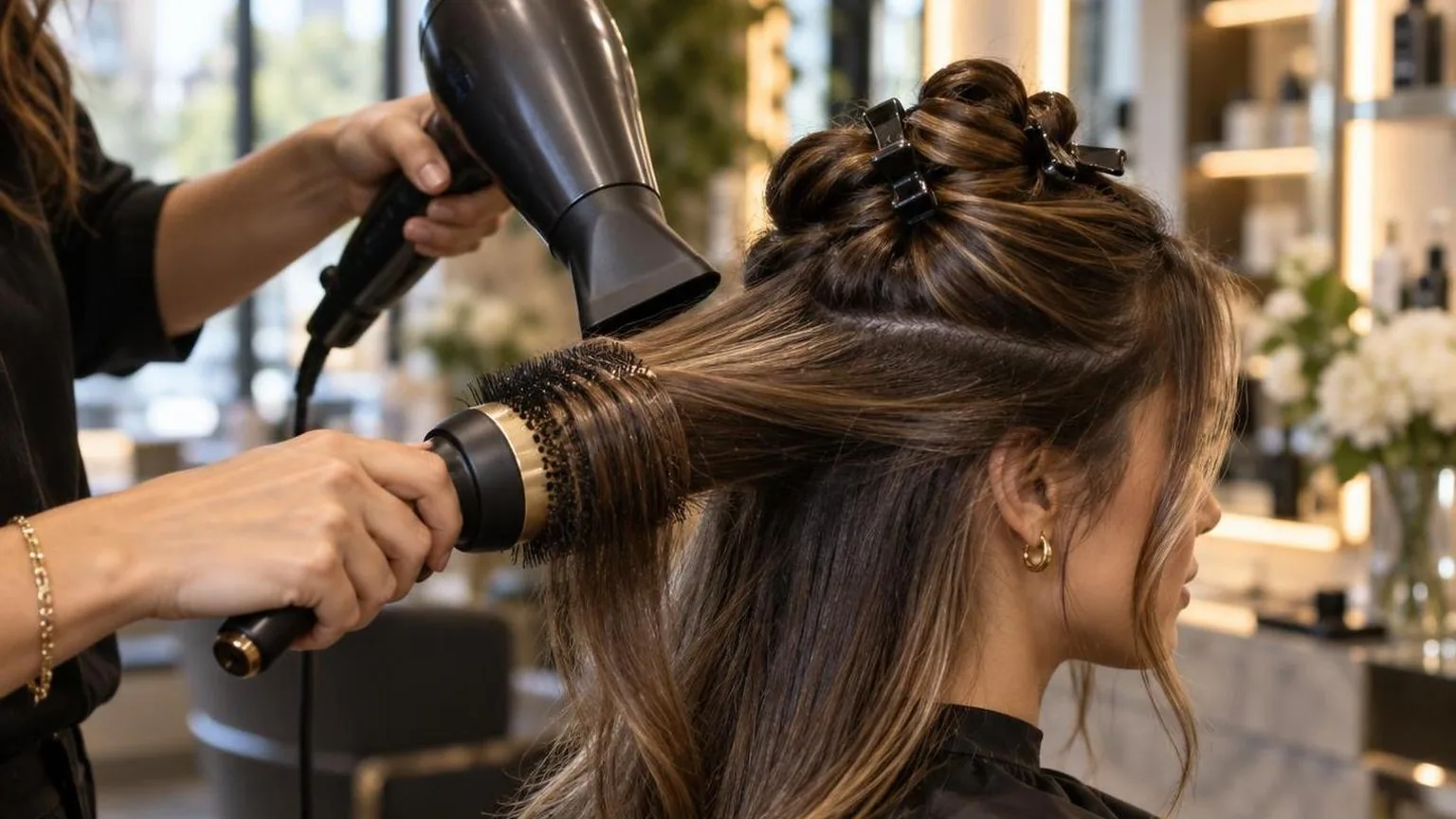
Keeping Condition Through the Dry
Preserving hair condition during a blowout directly affects client retention and, therefore, pricing power. Salons that visibly maintain hair health can charge a premium because clients return more frequently and refer others.
Heat damage is the fastest way to erode that trust.
Keratin protein bonds begin to break down when hair temperature exceeds 150 °C (302 °F). Sustained contact above 230 °C (446 °F) causes irreversible cuticle lifting and cortex fracture.
Every blowout carries cumulative thermal risk that shapes how clients perceive value.
Temperature Guidelines by Hair Type
| Hair Type | Max Dryer Heat Setting | Max Iron/Brush Contact Temp | Recommended Pass Duration |
| Fine / colour-treated | Low–medium (approx. 60–70 °C at nozzle) | 130–150 °C | 3–4 seconds per section |
| Medium / virgin | Medium–high (approx. 70–80 °C at nozzle) | 150–180 °C | 4–6 seconds per section |
| Coarse / resistant | High (approx. 80–90 °C at nozzle) | 180–210 °C | 5–8 seconds per section |
Nozzle distance matters. Holding a concentrator 10–15 cm from the hair strand reduces surface temperature by roughly 20–30 °C compared with direct contact at the nozzle opening.
Heat Protection as a Cost Centre
A thermal protectant spray rated to 230 °C typically costs a salon between £0.15 and £0.40 per application, depending on the product and amount dispensed. That cost should be built into the blowout price, not treated as an optional add-on.
- Apply heat protectant to towel-dried hair before rough-drying, concentrating on mid-lengths and ends.
- Use a second light application before any round-brush or iron finishing work.
- Section hair into clips no wider than 5 cm to ensure even product distribution and consistent heat exposure.
Moisture Retention Technique
Stop drying each section when it is approximately 90% dry, then finish with a cool shot for 3–5 seconds. This seals the cuticle layer and locks in residual moisture that keeps hair feeling soft to the touch.
Switching the dryer to cool air at the end also sets the style’s shape. Stylists who skip this step lose hold time, which leads to client dissatisfaction and weakens repeat-booking rates.
Factor the extra 2–3 minutes per client that careful heat management requires into your service timing. If your average blowout takes 35 minutes, plan for 38. That small buffer protects condition without meaningfully reducing daily capacity.
Clients who leave with shiny, undamaged hair accept higher prices more readily. Condition is visible proof of skill, and visible skill is the strongest pricing justification a stylist can offer.
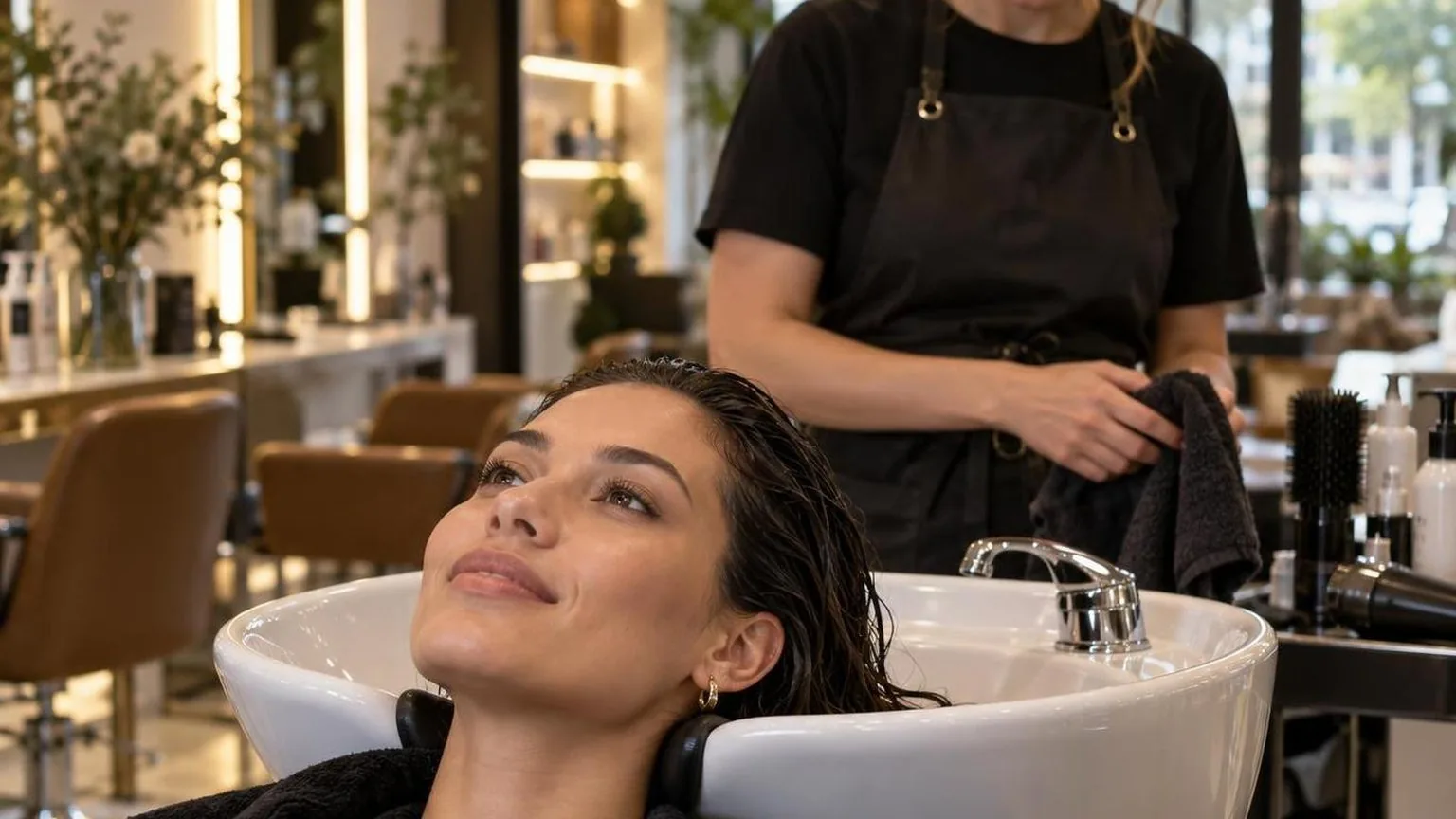
Step by Step Through the Change
A blowout restructures each strand’s hydrogen bonds using controlled heat and mechanical tension. Water breaks these weak bonds during washing; the dryer and round brush then reset them into a new shape as moisture evaporates.
Understanding this process is central to pricing because it dictates time, tool wear, and skill required.
The Hydrogen Bond Cycle
Hair contains millions of hydrogen bonds between keratin chains. These bonds are temporary and break on contact with water. When heat from a dryer evaporates that water, new hydrogen bonds form in whatever position the hair is held.
This is why a blowout holds its shape for 3–5 days in moderate humidity but collapses faster in rain or heavy perspiration. The bonds are reversible the moment water returns.
Heat Thresholds That Matter
Professional dryers typically operate between 80°C and 120°C at the nozzle. The stylist’s distance from the hair shaft — usually 15–20 cm — determines actual strand temperature.
Sustained contact above 150°C risks irreversible damage to the hair’s disulfide bonds, which are permanent structural links.
| Hair Type | Recommended Nozzle Temp | Typical Dry Time |
| Fine / Thin | 80–90°C | 15–20 min |
| Medium Density | 90–105°C | 20–30 min |
| Thick / Coarse | 105–120°C | 30–45 min |
| Tightly Coiled (Type 4) | 100–115°C with tension | 35–50 min |
Time at the chair is the single largest variable cost in a blowout service. A 50-minute appointment consumes roughly 2.5× the labour of a 20-minute one, which must be reflected in the menu price.
Mechanical Tension from the Brush
Round brushes — commonly 32 mm, 43 mm, or 53 mm barrel diameter — apply radial tension that stretches the cortex while heat sets it. Larger barrels create loose volume; smaller barrels produce tighter curl definition.
- Each pass of brush-plus-dryer removes roughly 10–15% of the section’s remaining moisture
- Most sections need 3–5 passes to reach the 10–15% moisture content where bonds lock
- Boar-bristle brushes grip the cuticle more aggressively than nylon, increasing smoothness but also friction wear on the hair
Why This Matters for Pricing
Every variable above — temperature setting, number of passes, brush size, total seat time — converts directly into labour minutes and product consumption.
Pricing a blowout without mapping it to hair type ignores the physical reality of the service.
Frequently Asked Questions
What costs should a blowout price cover beyond labour?
Factor in product cost per service (typically 8–15% of the ticket price), tool depreciation, rent per square foot of station space, utilities, and payment-processing fees. Omitting even one line item erodes margins fast.
Build a per-service cost sheet before setting any menu price.
How do I calculate the labour cost per blowout?
Divide the stylist’s hourly wage (including taxes and benefits) by the number of blowouts completed per hour. If a stylist earns £18/hour and finishes 1.5 blowouts per hour, the labour cost per blowout is £12.
That figure should represent no more than 40–50% of the service price.
Should I charge differently for hair length or density?
Tiered pricing based on length (short, medium, long) or density accounts for extra time and product. A long, thick blowout can take 45–60 minutes versus 25–30 for a short cut.
Flat pricing in that scenario leaves money on the table or penalises quick services.
How do blowout bars typically structure membership pricing?
Common models offer 2, 4, or 8 blowouts per month at a per-unit discount of 15–30% off the walk-in price. Memberships stabilise cash flow and increase visit frequency.
Track redemption rates monthly — if members consistently under-redeem, the discount may be steeper than necessary.
When should I raise my blowout prices?
Review pricing when product or rent costs rise by more than 5%, when your booking calendar is consistently 85%+ full for three or more consecutive months, or when competitor analysis shows your price sits more than 20% below the local market median.
Communicate increases at least 30 days in advance.
Does location within a city justify a price difference?
Rent per square foot in a high-footfall downtown zone can run 2–3× higher than a suburban strip mall. That overhead difference alone justifies a higher ticket.
Benchmark against three to five direct competitors within a 1-mile radius to confirm your price aligns with the micro-market.
Related Reading
- What a booth renter actually takes home
- What a blow dry bar is, and how the model works
- When a salon needs an alcohol licence
- The licences a blow dry bar needs, and who issues them
- What it costs to open a blow dry bar
- How blow dry stylists are paid: the three structures
- Insuring a stylist's hands: what cover exists
- The complete guide to the blow dry bar business
- U.S. Small Business Administration
- National Institutes of Health – PubMed
- Cornell University ILR School – Occupational Data
- Professional Beauty Association
- Associated Hair Professionals
- Federal Trade Commission – Consumer Protection
- U.S. Census Bureau – Service Annual Survey
- National Center for Education Statistics – Cosmetology Programs