
Hair – Salon Business – Pro Tools
Category: Pro Gear
-
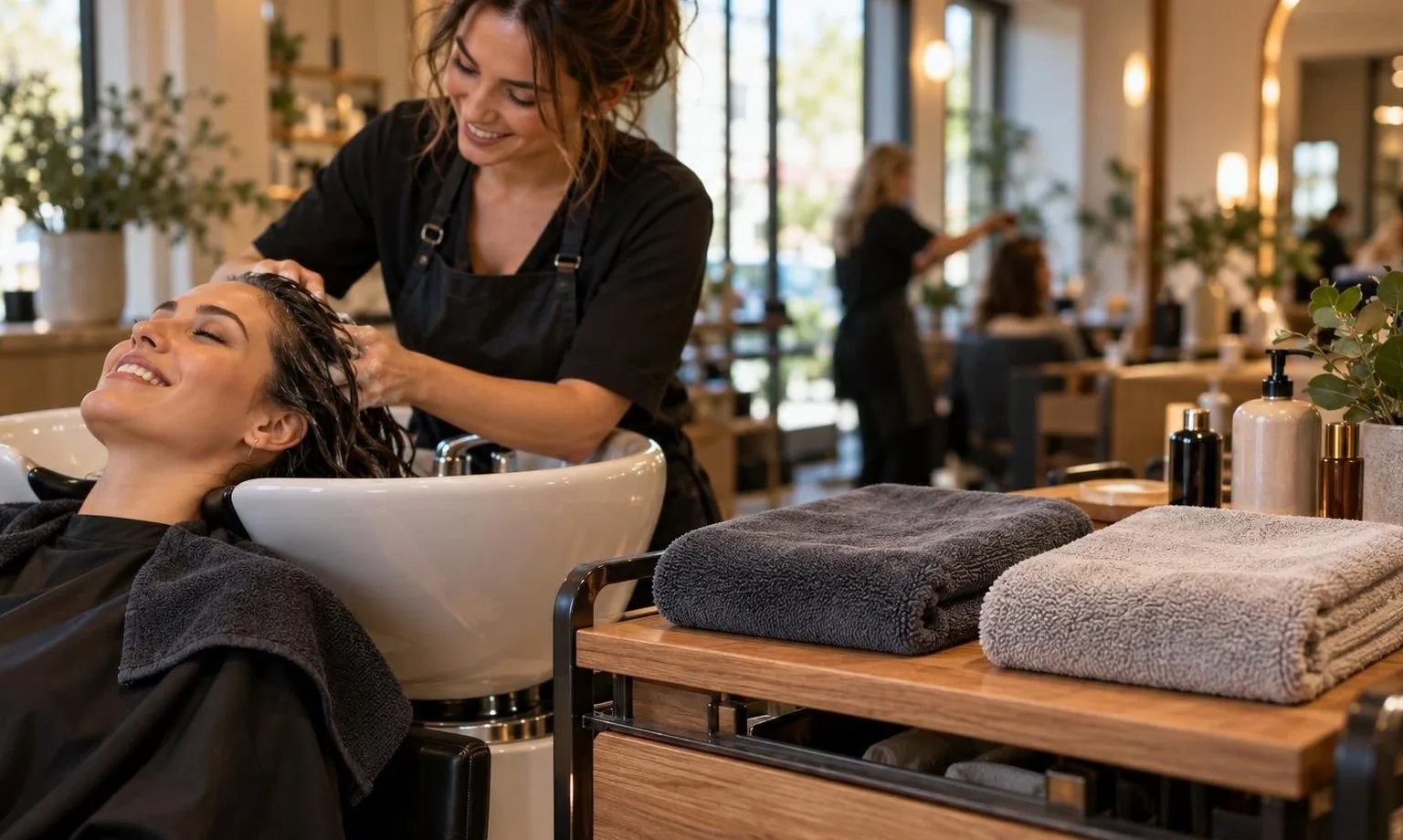
In a sentence: Microfibre towel vs regular towel hair: choose microfibre and blot rather than rub. Its smoother surface is less likely to snag strands than typical cotton terry loops. Gently squeeze sections for 30–60 seconds, stopping when hair no longer drips. A regular towel also works if you press gently and avoid rubbing or…
-
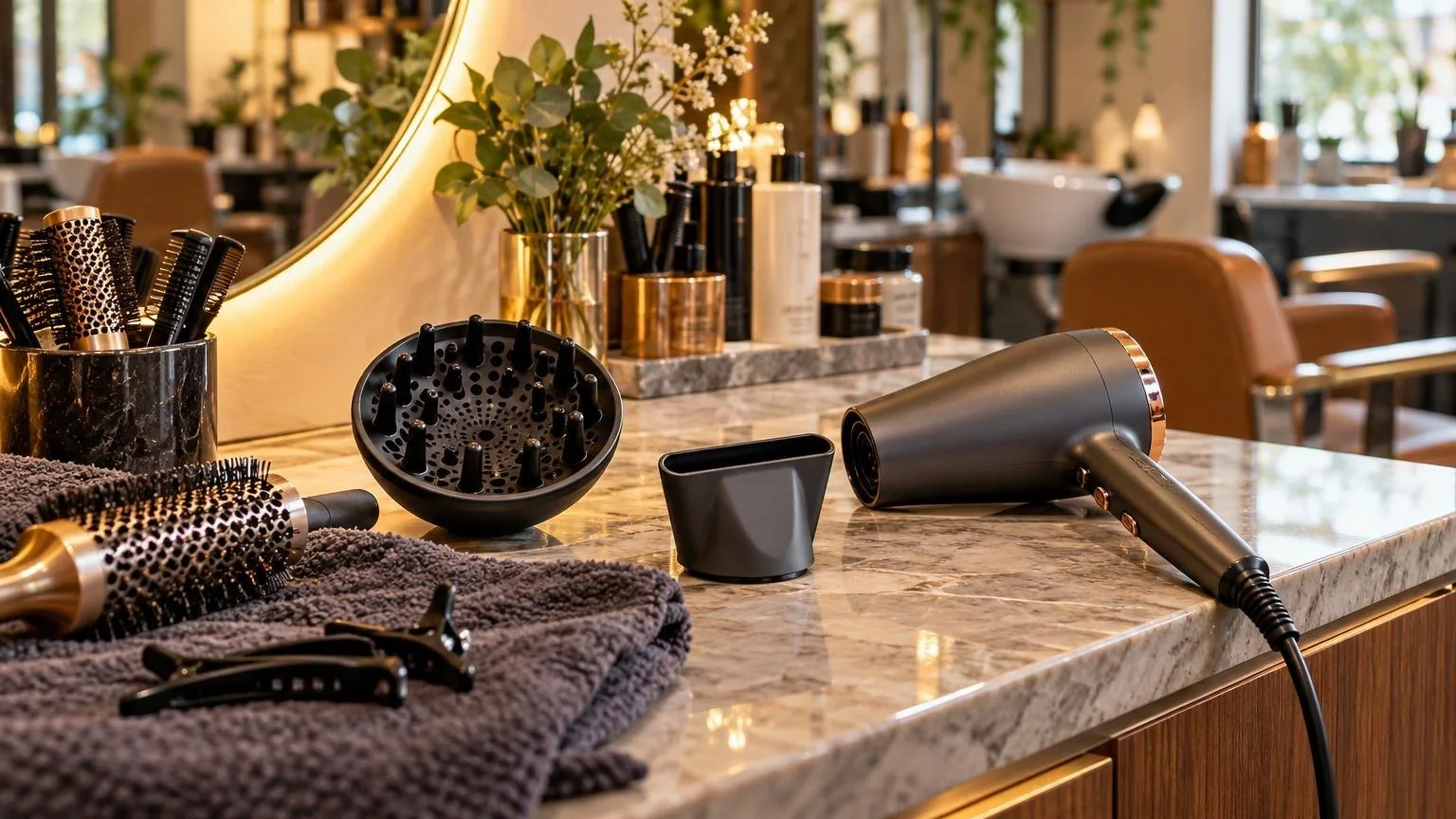
The gist: Diffuser vs concentrator: use a diffuser on low airflow to preserve curls; use a concentrator to smooth hair with a brush. Cup curls without brushing. For straight styles, direct airflow from roots toward ends, keeping the nozzle moving about 6 inches from hair. In diffuser vs concentrator, a diffuser spreads airflow to preserve…
-
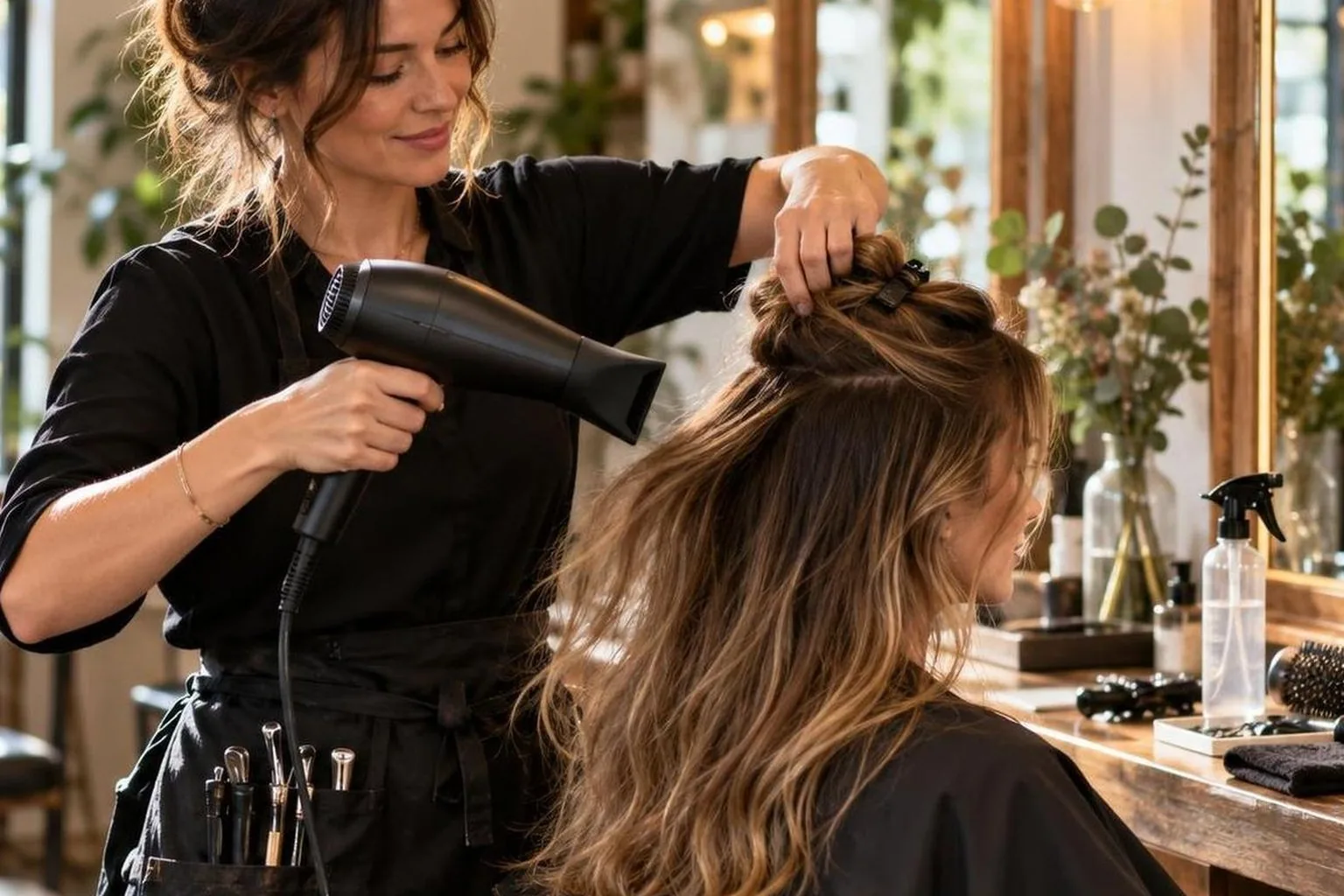
In short: Heat protectant works by coating hair with a thin film of ingredients such as silicones and polymers. This film helps distribute heat more evenly, slow moisture loss and reduce friction during styling. Apply evenly before blow-drying or heat styling, following the label. It reduces heat damage but cannot prevent it completely. A thin…
-
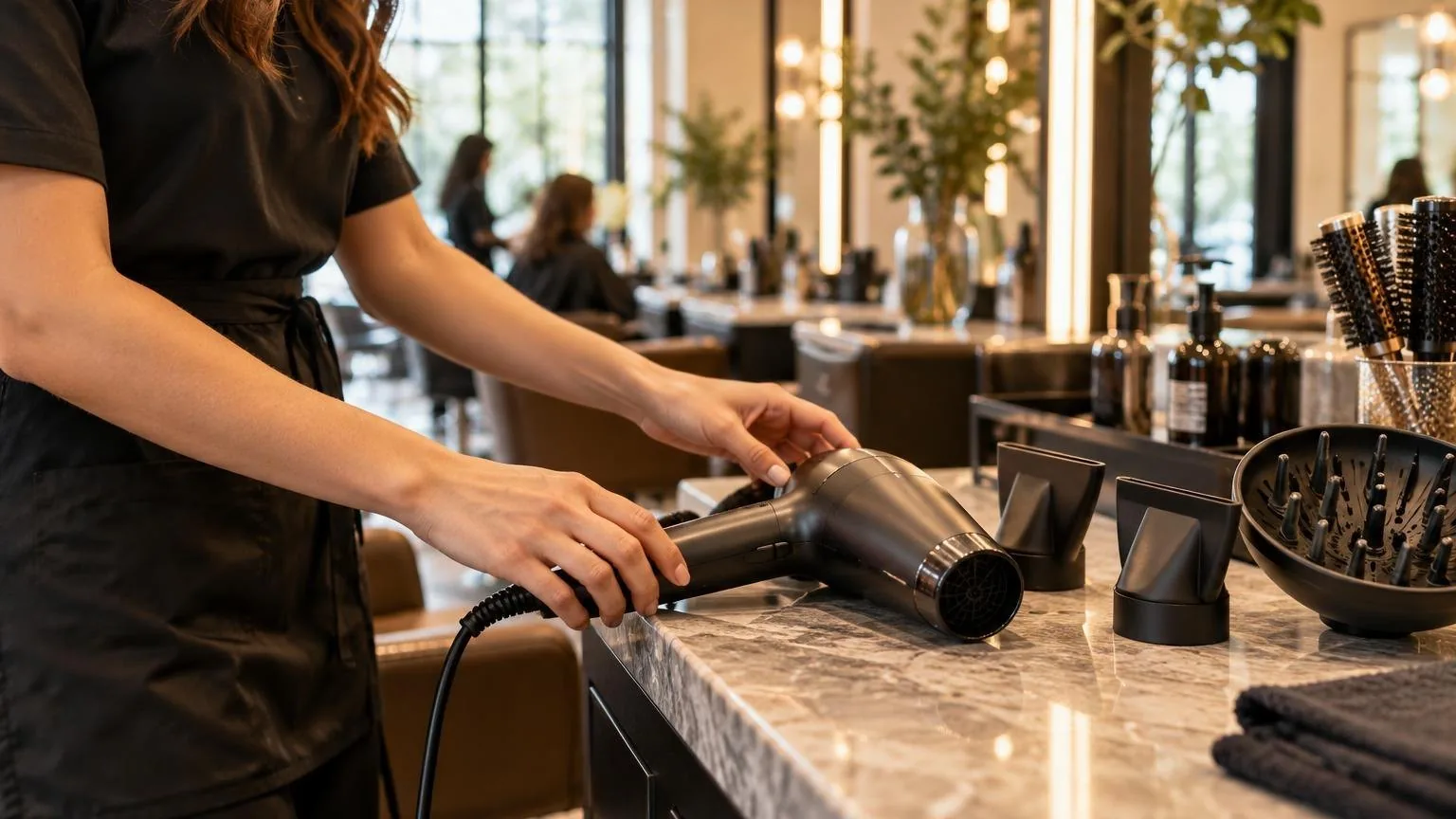
Quick answer: hair dryer nozzle types explained: Concentrator nozzles direct airflow for smooth, straight finishes and precise sectioning. Diffuser attachments spread airflow to define curls while reducing disruption. Pik nozzles lift roots and stretch textured hair. Use a concentrator 2–5 centimetres from the brush, a diffuser on low airflow, and a pik at the roots.…
-
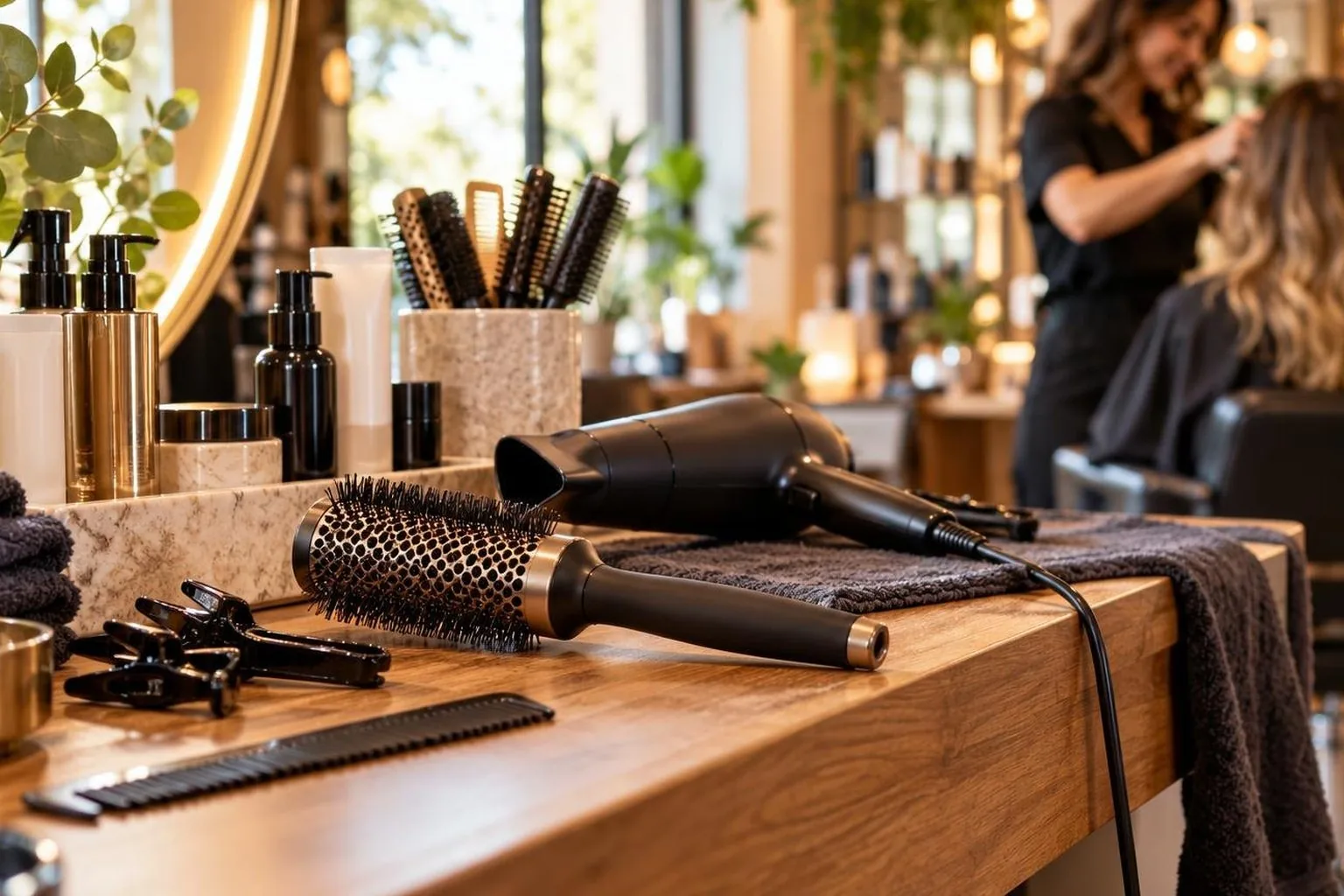
Quick answer: How often to replace round brushes: replace them every 6–12 months with regular salon use, or sooner when bristles bend, loosen, melt, or stop gripping hair evenly. Home users may replace them every 12–24 months. Clean brushes weekly and inspect the barrel, bristles, cushion, and handle to extend safe, effective performance. Replace round…
-
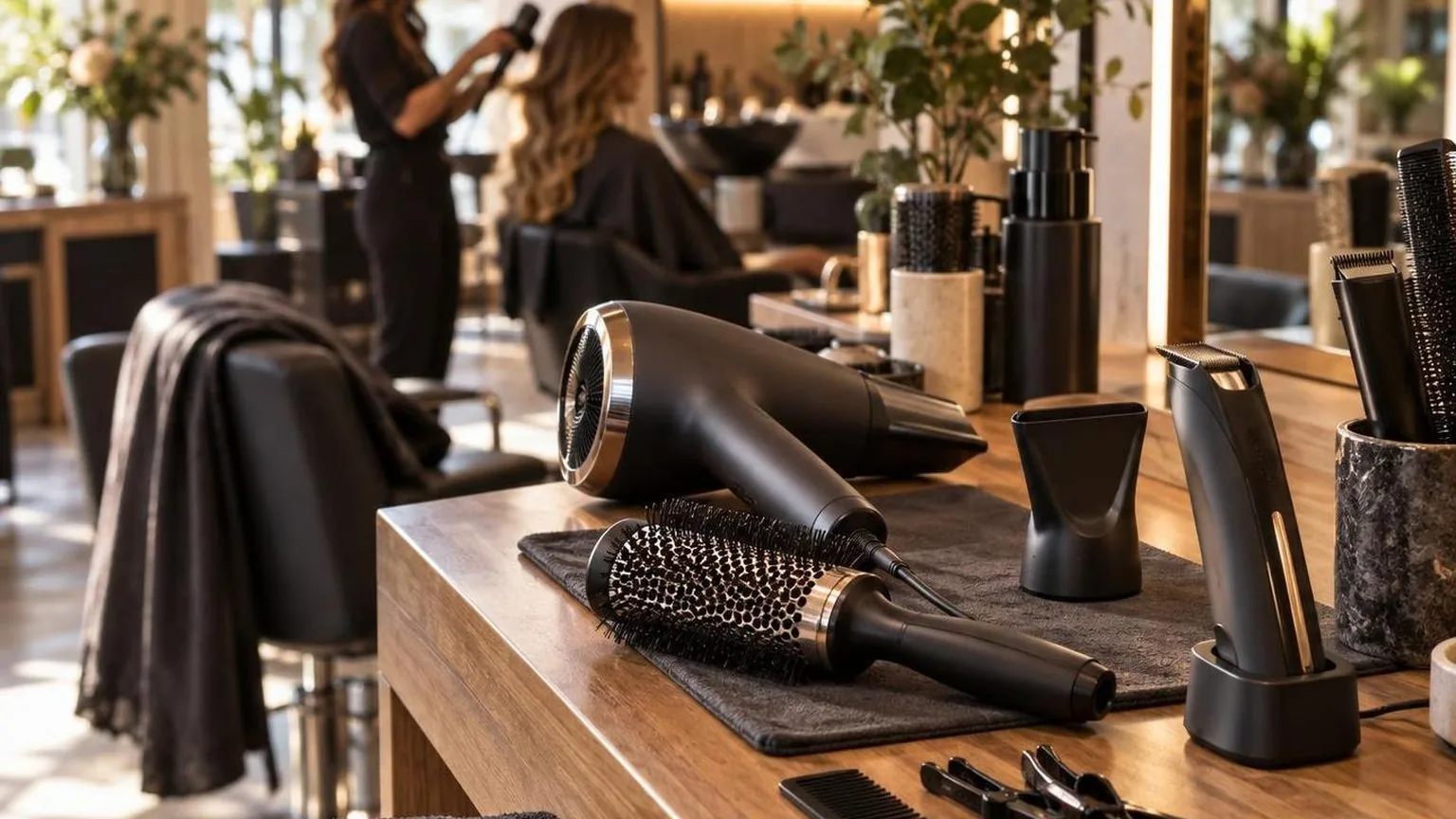
Short version: A brushless motor hair dryer uses electronically controlled magnets instead of carbon brushes to spin its motor. This design typically delivers quieter, more efficient airflow, longer motor life, and reduced maintenance than brushed models. It powers the fan without physical brush contact, making it suitable for frequent salon or home use. What is…
-
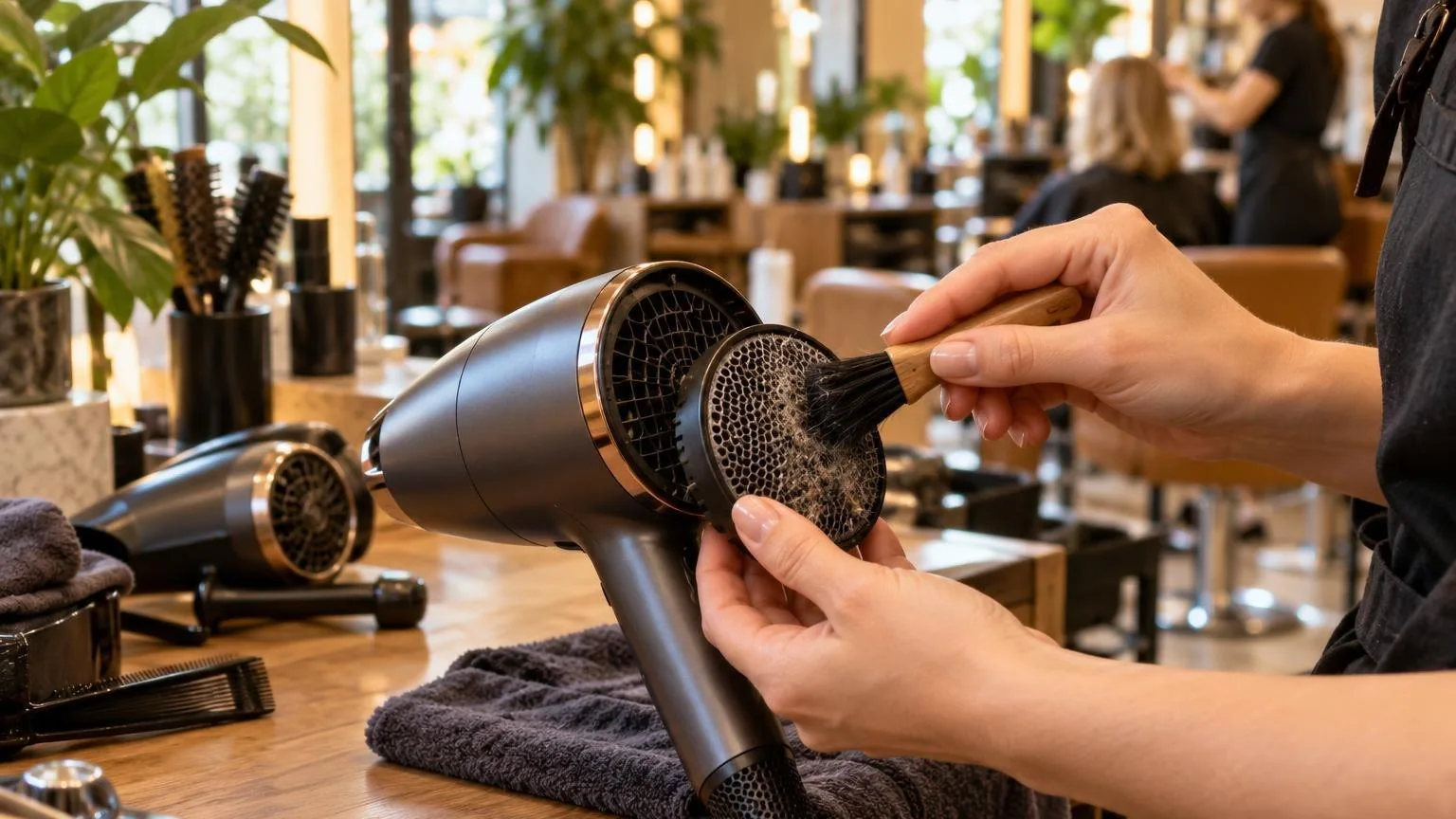
Bottom line: salon dryer maintenance schedule: Clean the lint filter after every use, inspect the cord, plug, nozzle and airflow weekly, and remove internal dust monthly. Check motor noise, heat consistency and mounting hardware every three months. Replace damaged filters or cords immediately, and have a qualified technician service fixed wiring or persistent overheating. A…
-
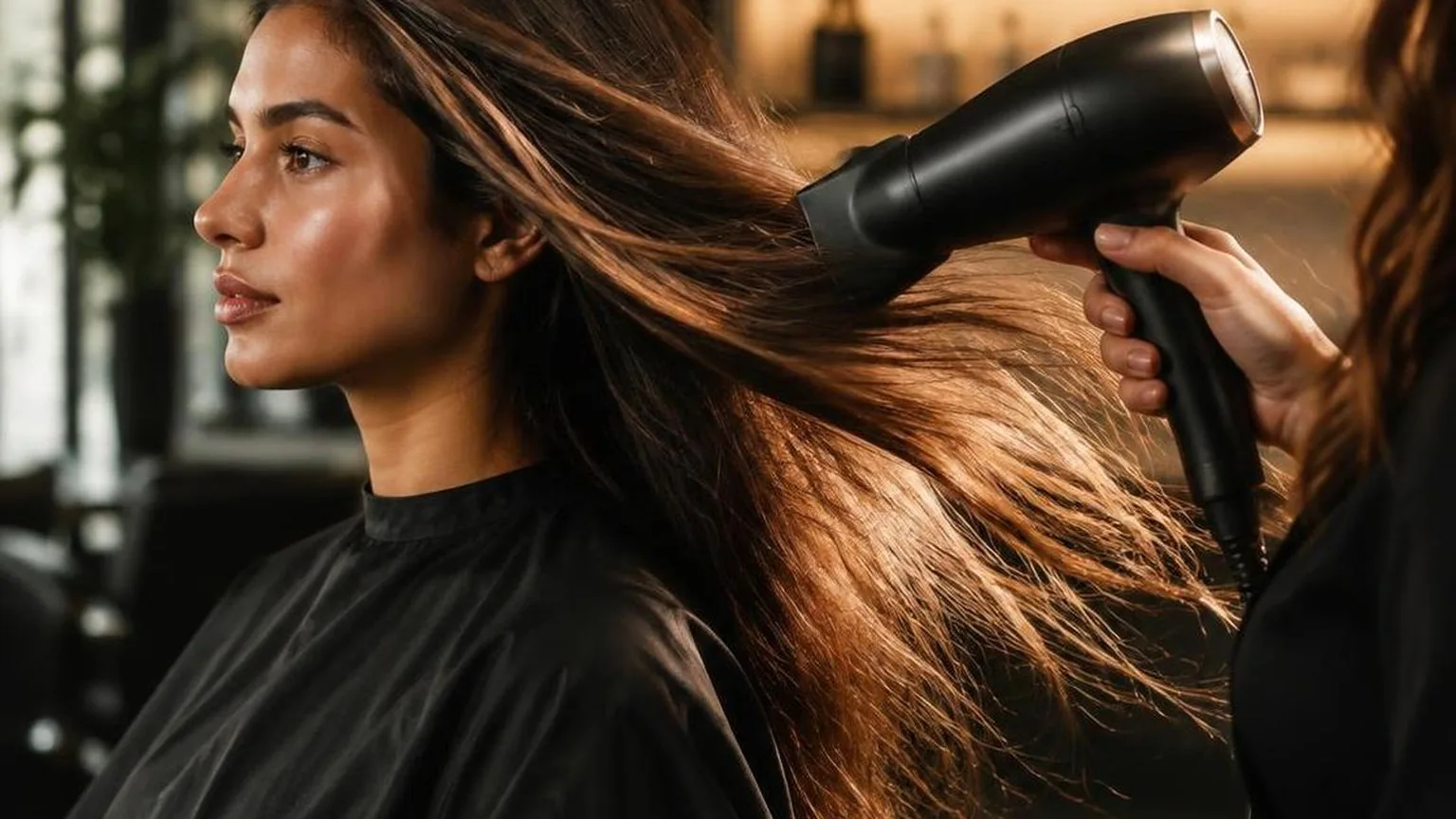
Bottom line: How hot do hair dryers get: most full-size dryers blow air around 140–160°F on high, with some reaching about 180–200°F at the nozzle. Measured heat depends on distance, airflow, and attachment. Hold the dryer 6 inches from hair, keep it moving, and use medium heat for safer styling. How hot do hair dryers…
-
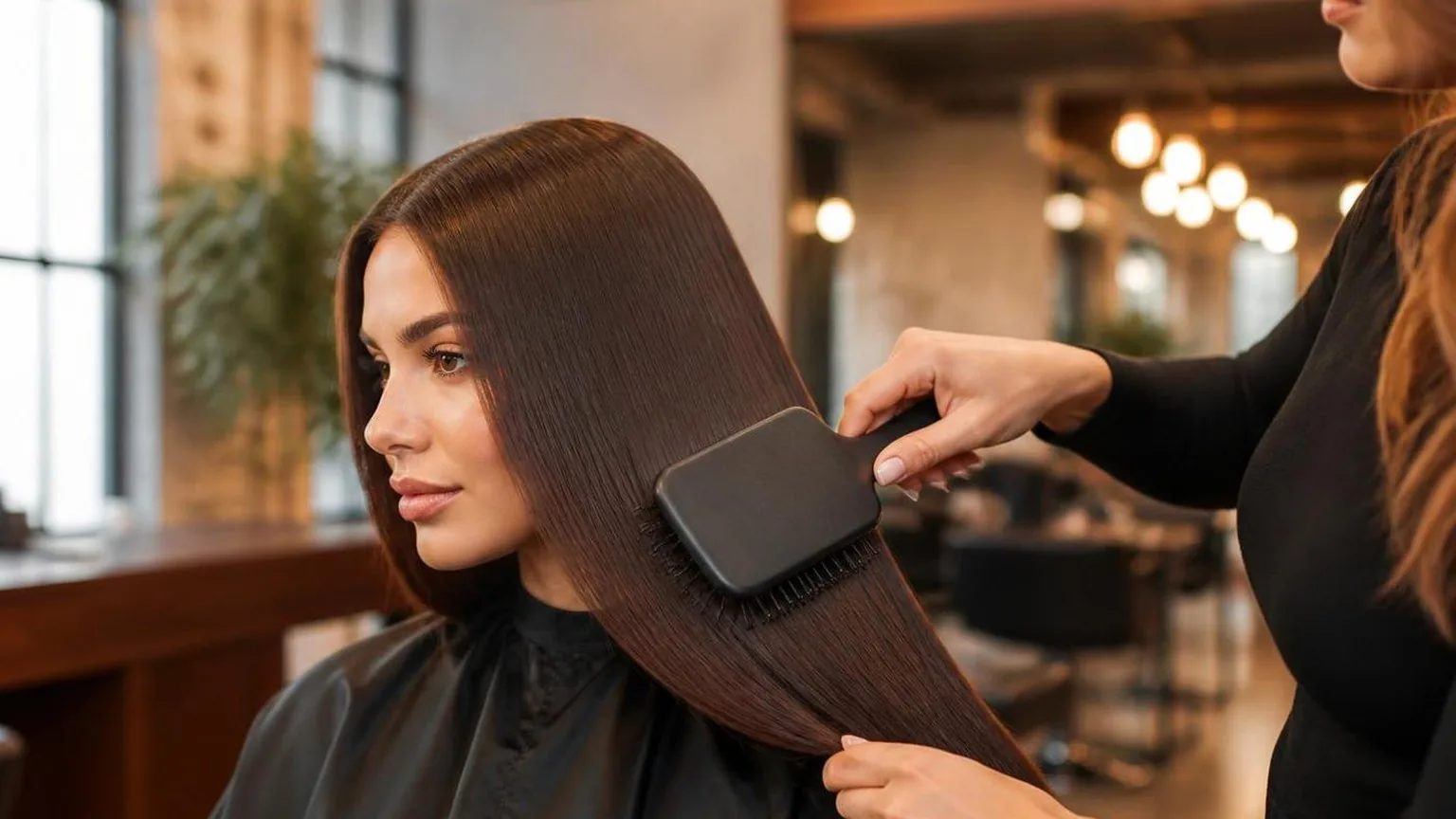
The short answer: Benefits of using a paddle brush: it detangles faster, smooths mid-lengths and ends, reduces visible frizz, and speeds up rough-drying on medium to long hair. Use it flat against sections about 2–3 inches wide, directing airflow down the hair shaft for a straighter, softer finish with less tension than a round brush.…
-
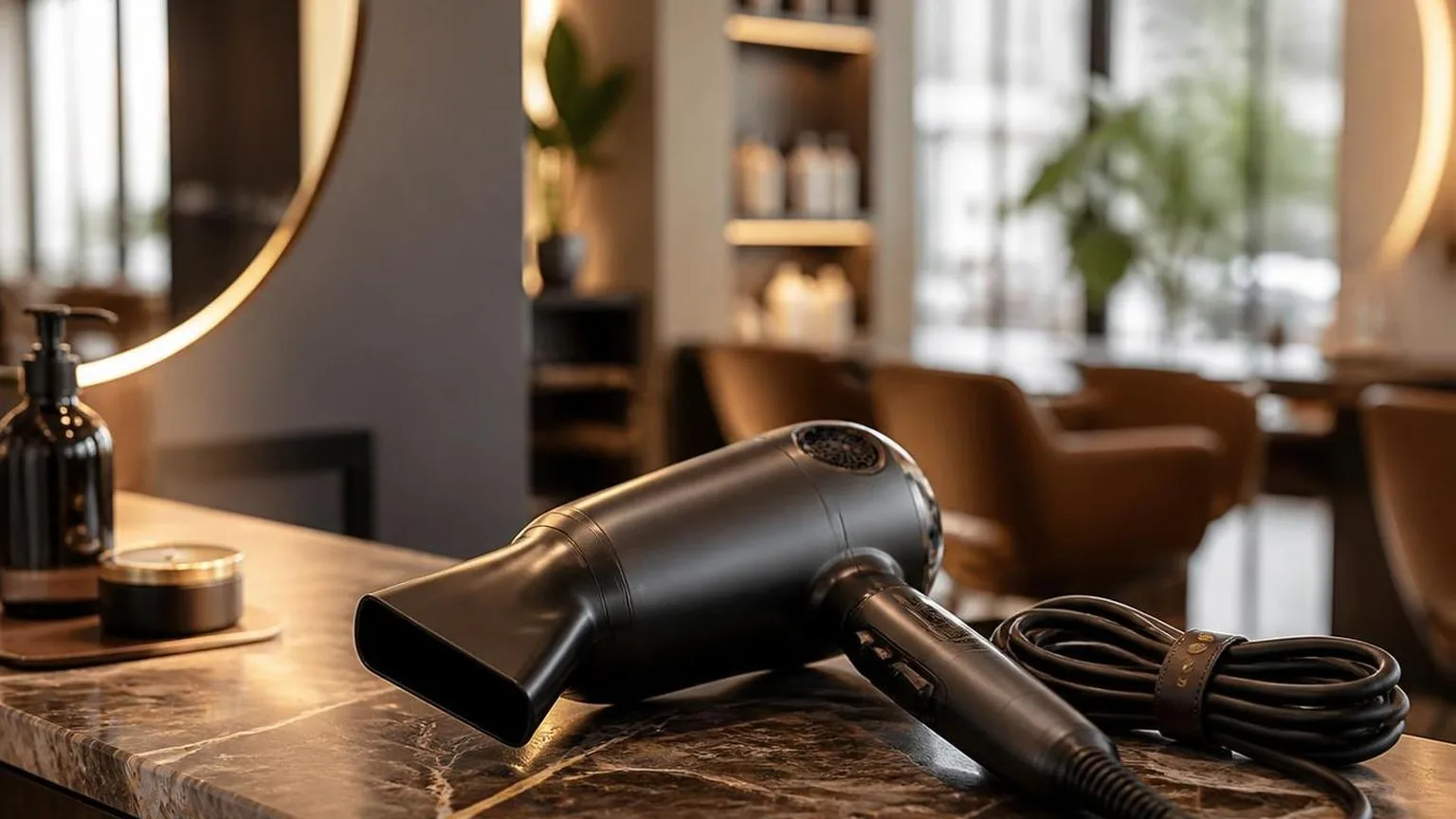
At a glance: How long can a hair dryer run at a time: 15–20 minutes continuously for most consumer dryers, then let it cool for 5 minutes. Keep the rear filter clear, hold the dryer 6–8 inches from hair, and use medium heat around 140–160°F to reduce overheating and protect the motor. How long can…