
At 80–90% dry, Ionic or ceramic: choose ionic for faster smoothing on dense or frizz-prone hair, and ceramic for steadier, more even heat on fine, fragile, or easily flattened hair.
Ionic dryers reduce water droplets faster; ceramic elements distribute heat more uniformly across the airflow.
For a salon finish, match the technology to technique: keep airflow moving, hold the nozzle 5–8 cm from the section, and work around 90–110°C for fine hair or 120–150°C for thicker textures.
The right choice is the one that controls moisture without over-drying the surface.
Run Your Dryer Match
Use this quick chair-side check before you buy, replace, or assign a dryer. You only need one clean section, your current brush, and the dryer settings you already use.
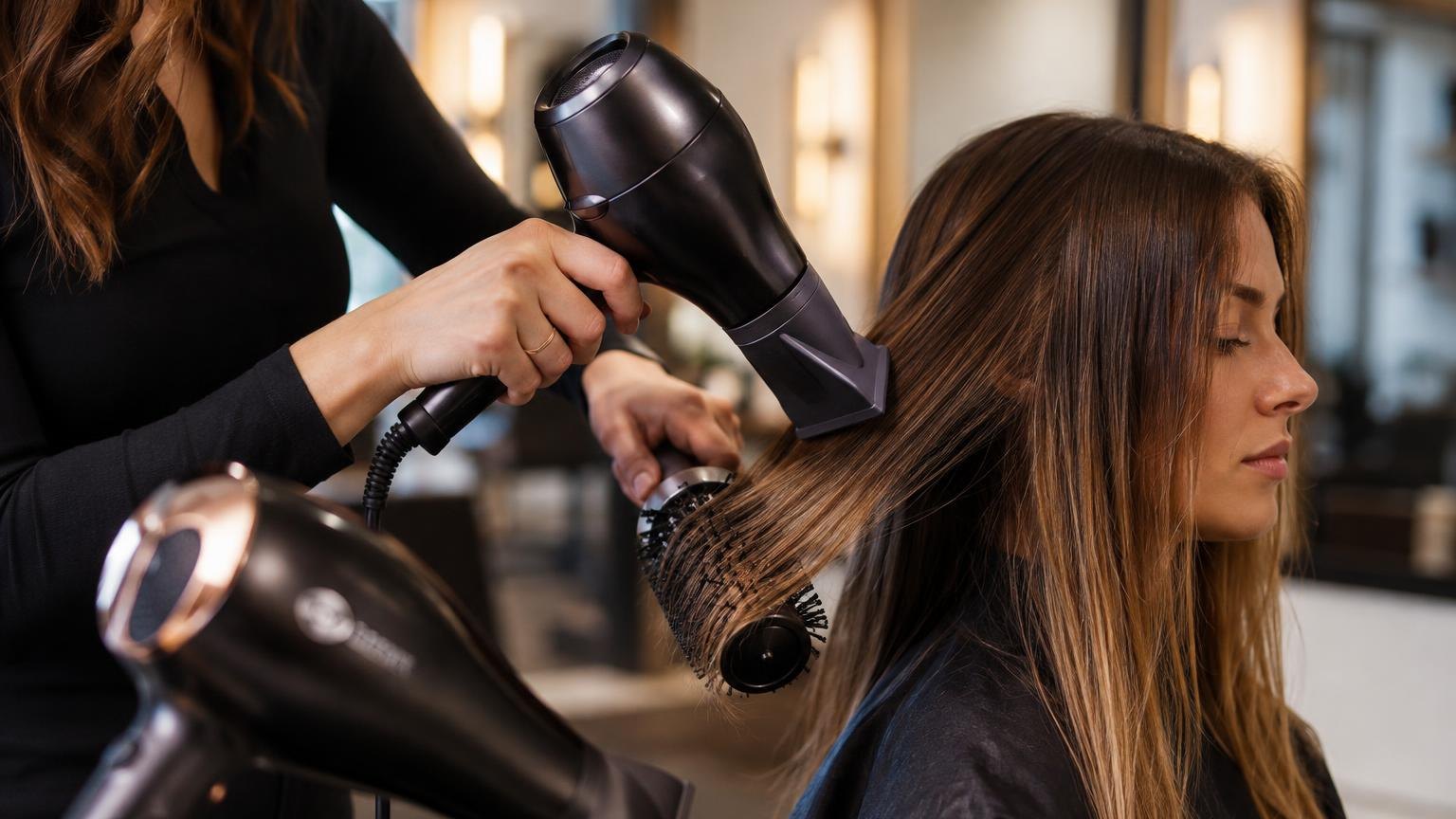
- Pick the test section. Choose a 3–4 cm wide section near the crown or hairline. Towel-dry first, then start when the hair is about 80–90% dry.
- Set the heat by hair type. Use 90–110°C for fine, fragile, or easily flattened hair. Use 120–150°C for thicker, denser, or frizz-prone hair. Keep the nozzle 5–8 cm from the section.
- Time one pass. Dry the section with steady movement for 30 seconds. If it smooths quickly but still feels airy, ionic is likely useful. If it feels too soft, limp, or flyaway, switch toward ceramic heat control.
- Check the surface. If the top layer looks rough after one pass, try ionic for faster water breakup and frizz control. If the surface feels hot in patches, choose ceramic for more even airflow heat.
- Finish and decide. Give the section a 5-second cool shot. If it holds shape without puffing, keep that technology for similar clients. If it collapses, lower heat or move to ceramic.
For a mixed salon kit, stock ceramic as the default daily smoother and reserve ionic dryers for dense, coarse, or frizz-prone services where speed and polish matter most.
The Figures Behind It
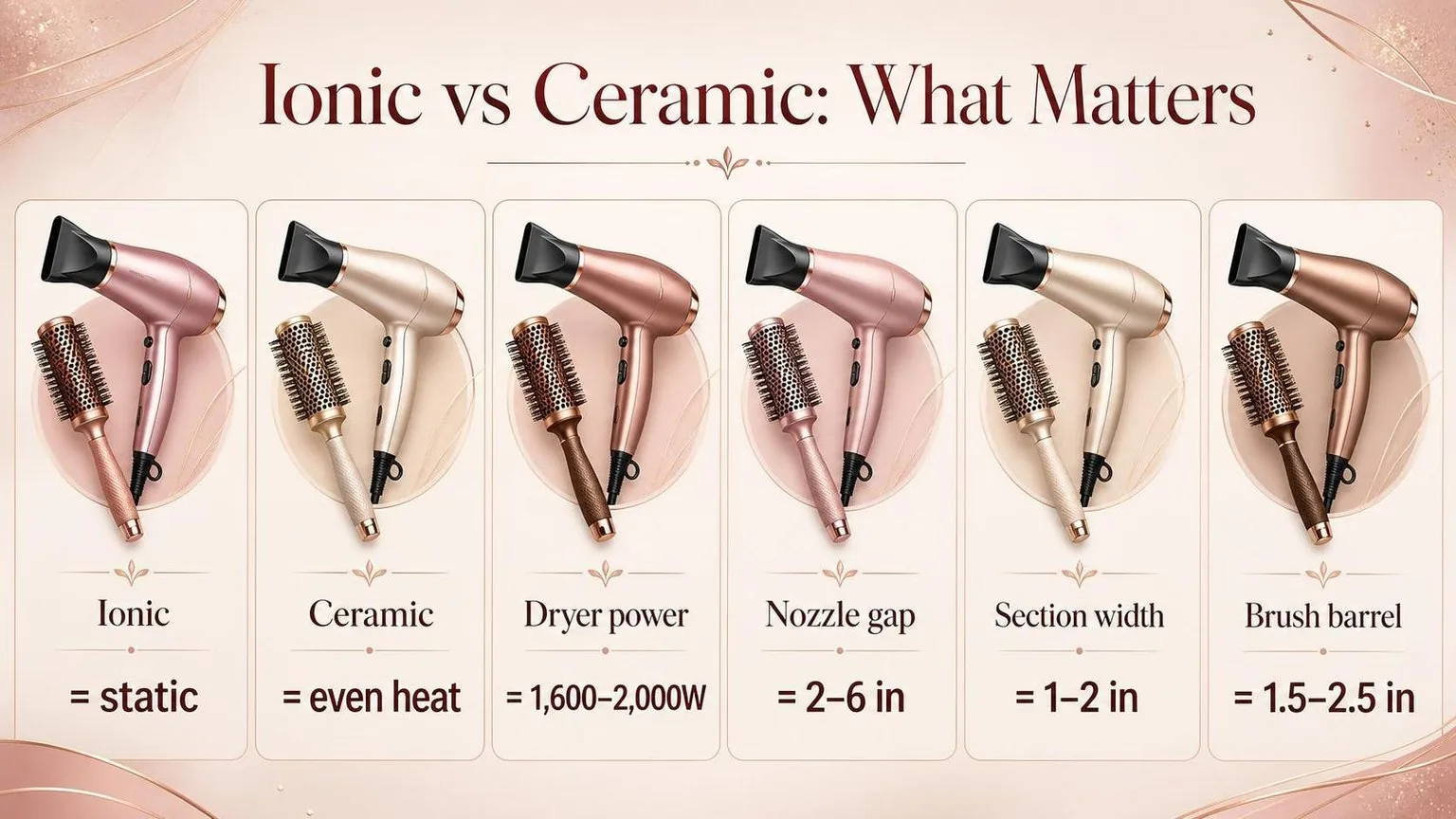
Ionic and ceramic are not interchangeable features. Ionic mainly targets static and water dispersal; ceramic mainly targets heat spread and steadier surface temperature.
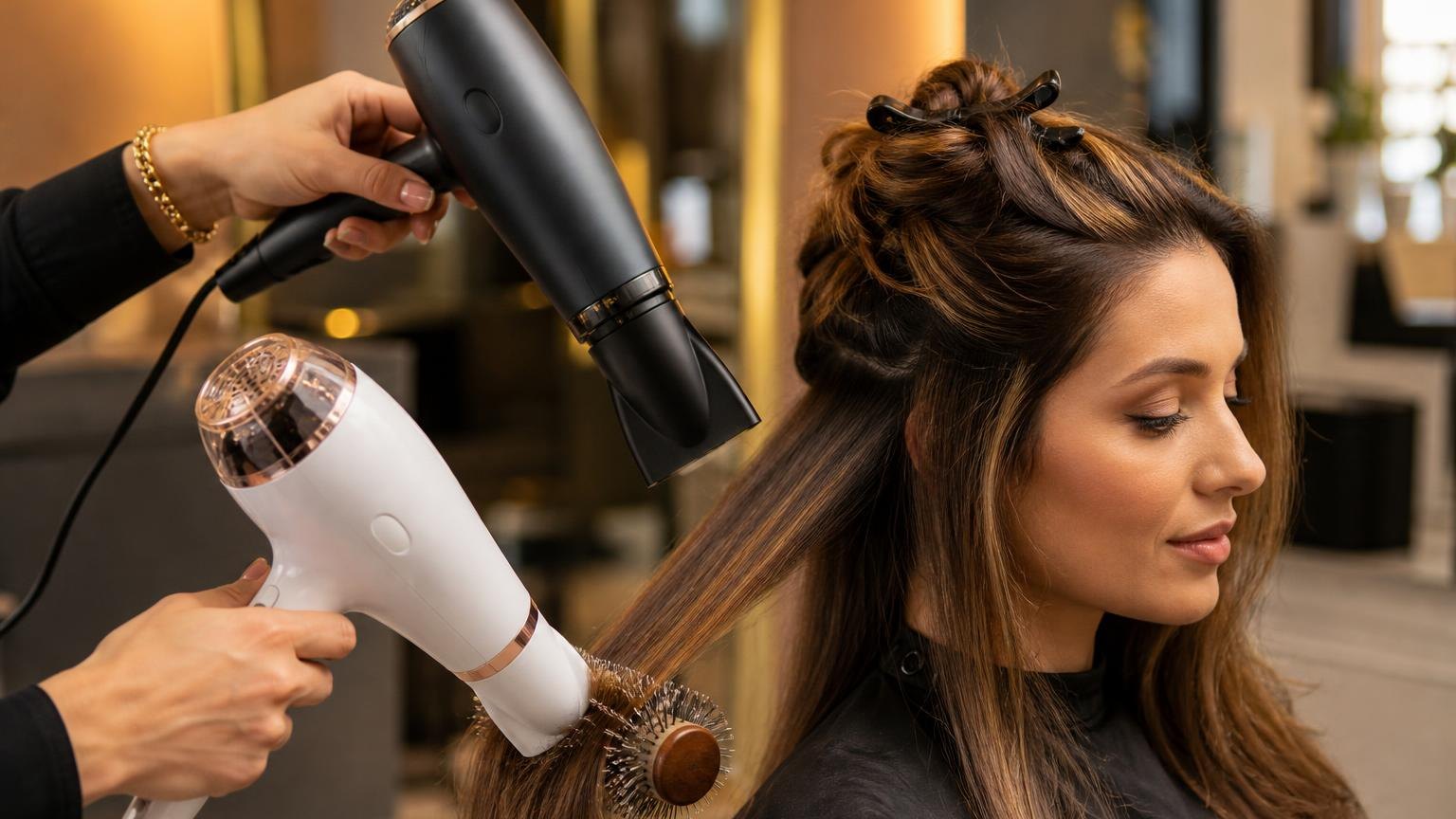
For a blowout, the bigger measurable drivers are wattage, airflow, nozzle control, distance, and section size.
In practical salon work, “ionic” is most noticeable on dense, coarse, or high-friction hair that expands while drying. “Ceramic” matters most when heat feels patchy, especially on cheaper dryers, hot brushes, and round-brush barrels.
| Feature | What it changes | What it does not guarantee |
| Ionic generator | Releases negatively charged ions to help reduce static charge and surface flyaway | It does not prove faster drying unless airflow and heat are also strong |
| Ceramic coating or heater | Helps spread heat more evenly across a surface or air path | It does not make high heat harmless |
| Tourmaline additive | Often paired with ionic claims because it can support negative-ion output when heated | It does not replace tension, sectioning, or nozzle direction |
The most useful numbers sit on the dryer label and in your technique. A professional finish is usually built with controlled heat, high air movement, and small enough sections for the brush to maintain tension from root to end.
| Measurable point | Useful working range | Why it matters |
| Dryer power | About 1,600 to 2,000 watts on many salon-style dryers | More available power can support stronger airflow and heat recovery, but design still matters |
| Nozzle gap from hair | About 2 to 6 inches | Closer gives polish and direction; too close for too long can overheat one spot |
| Section width | About 1 to 2 inches for detailed smoothing | Small sections let air reach the full strand bundle instead of only the outer layer |
| Brush barrel | About 1.5 to 2.5 inches for common blowout bends | Smaller barrels add bend; larger barrels stretch and smooth with less curl |
Temperature language can be misleading because many brands do not publish outlet temperature under identical lab conditions.
The American Academy of Dermatology advises using the lowest heat setting that still dries effectively, which is a safer buying rule than chasing the hottest dryer.
| At-home decision | Choose ionic when | Choose ceramic when |
| Main problem | Static, puffiness, flyaway, rough surface feel | Uneven heat, hot spots, dull-looking finish from inconsistent drying |
| Hair response | Hair swells outward before it looks dry | Hair feels scorched in places while other areas stay damp |
| Best pairing | Concentrator nozzle plus firm brush tension | Controlled medium heat plus steady sectioning |
Bottom line: ionic is a finish-control feature; ceramic is a heat-control feature. If the dryer has weak airflow or you work sections that are too large, neither label will rescue the result.
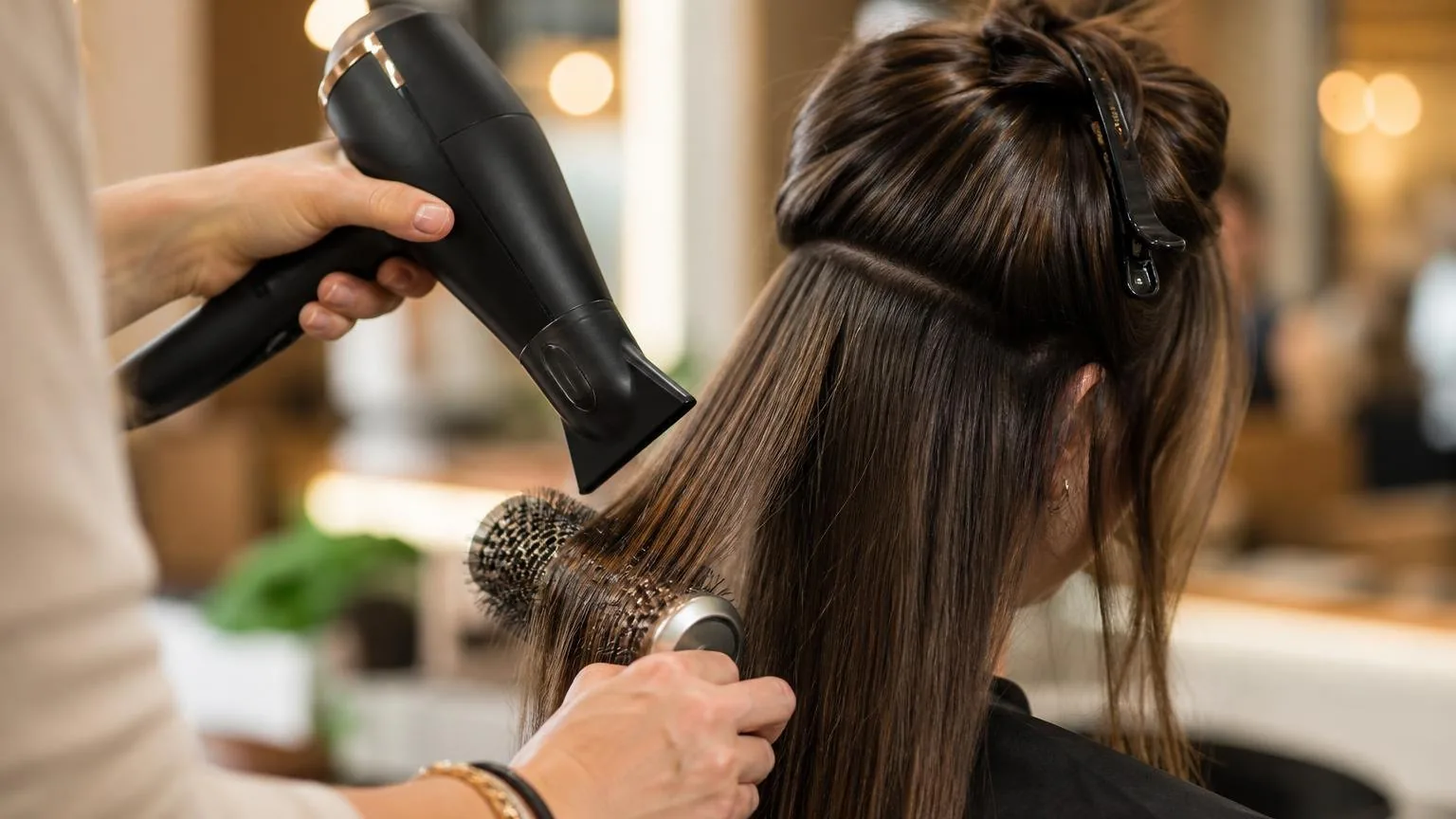
The Variables That Matter
Ionic changes how water leaves the hair; ceramic changes how heat reaches it. In practice, the finish depends less on the label and more on heat stability, airflow, brush diameter, section size, and how long the hair sits under tension.
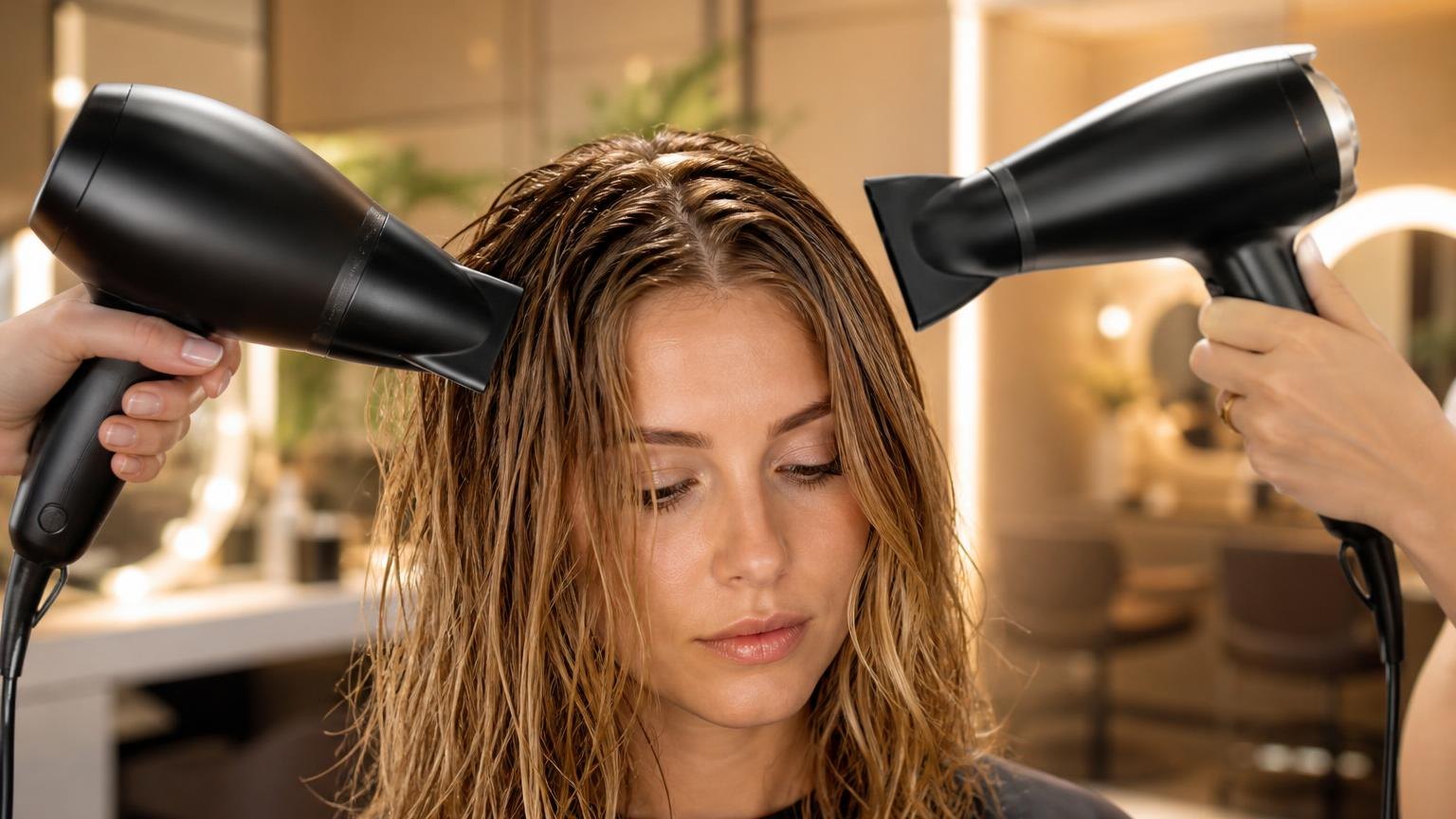
Use ionic when you need faster water removal and a smoother-looking surface on dense or coarse hair. Use ceramic when your priority is even heat distribution, especially on finer hair or shorter layers where hot spots show quickly.
Heat control matters more than the badge
Ceramic coatings spread heat more evenly than bare metal, which helps reduce overheated patches on the barrel or plate. That matters at the salon chair because one section may touch the tool for several passes while the next gets only one.
Most professional blow-dry work sits below the highest dryer setting. Dyson and ghd both publish controlled-heat positioning in their education, and salon training commonly treats constant airflow plus tension as more important than maximum heat.
| Hair situation | Useful working range | Why it changes the result |
| Fine or fragile-feeling lengths | Low to medium heat | Less collapse at the ends, more control at the root |
| Medium-density hair | Medium heat with high airflow | Dries efficiently without flattening the brush set |
| Coarse or high-density hair | Medium to high heat, steady airflow | Removes moisture fast enough to hold shape |
Airflow and moisture level decide the speed
Ionic dryers are designed to emit negatively charged ions. Beauty-device makers describe this as helping break up water on the hair surface, so the section can dry faster. The visible payoff is usually reduced puffiness and a sleeker finish.
Do not start round-brushing soaking hair. Towel blot first, rough-dry the root area, then begin shaping when the hair feels mostly dry but still flexible. For most blowouts, that is the difference between polish and limp overworking.
| Stage | Target dryness | Salon action |
| Pre-dry | About 70% dry | Lift roots with fingers, keep nozzle moving |
| Brush shaping | About 80% to 90% dry | Use tension, direct air down the strand |
| Set | Fully dry | Cool each section before releasing |
Brush size changes bend, volume, and polish
A ceramic barrel brush stores warmth, so the barrel keeps shaping after the airflow passes. Ionic bristles or vents may help the surface look smoother, but the diameter sets the result more predictably.
| Brush diameter | Best use | Expected finish |
| 25 mm to 32 mm | Fringe, short layers, root lift | More bend and visible movement |
| 43 mm to 53 mm | Medium lengths, classic blowout | Body with soft curve |
| 55 mm to 65 mm | Long hair, smoothing passes | Straighter polish, less curl |
Section size and cooling lock the finish
Take sections no wider than the brush barrel and no thicker than the bristle depth. Oversized sections dry on the outside while the centre stays damp, which is why shine drops and the shape falls quickly.
Hold tension for the final pass, then cool the section before unwinding. A cool shot of 5 to 10 seconds helps the hydrogen bonds reset in the new shape, a principle taught across cosmetology science texts such as Milady.
- Choose ionic for speed, dense hair, smoother-looking lengths, and humidity-prone finishing.
- Choose ceramic for even heat, controlled shaping, fringe work, and polished round-brush sets.
- Choose both if the tool has stable heat, a concentrator nozzle, and enough airflow for your density.
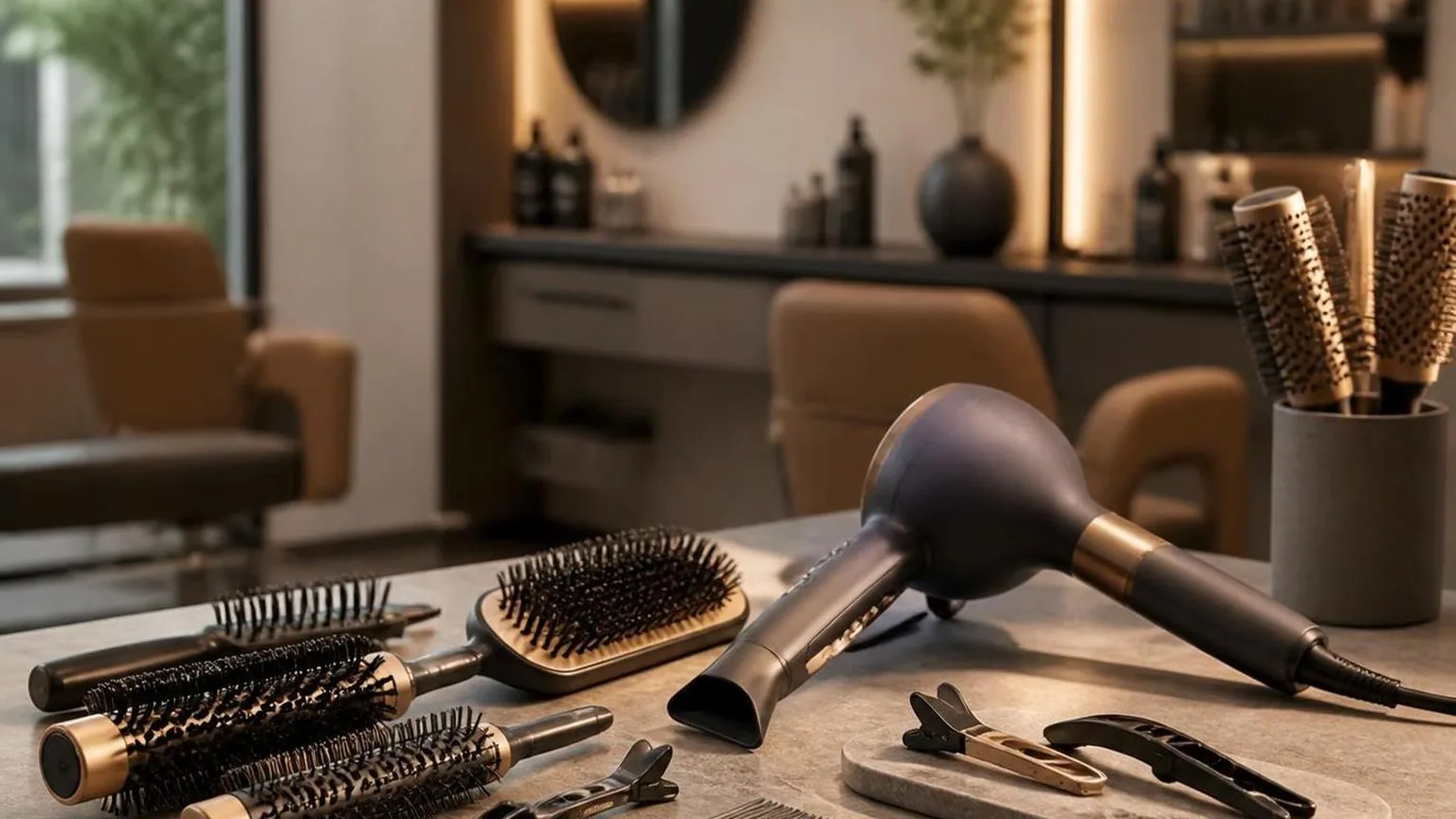
Judging It in Practice
Judge ionic or ceramic by the finish after one controlled blowout, not by the label on the box. Ionic helps most when frizz, flyaways and drying time are the problem; ceramic matters most when you need even heat and a softer, lower-risk finish.
Run the test on freshly washed, towel-blotted hair with the same brush, section size and nozzle angle. Change only the dryer or hot brush technology, then compare smoothness, volume, shine, and how the style holds after the hair fully cools.
Set up a fair salon-floor test
- Use sections no wider than the brush barrel and no thicker than 2 cm.
- Keep the concentrator nozzle about 1 to 2 cm from the hair, aimed down the shaft.
- Dry from damp to dry, then add a cool shot for 10 to 15 seconds per section.
- Use medium heat first; reserve high heat for coarse, dense hair that is still damp.
- Do not judge shine while hair is warm. Let it cool for at least 60 seconds.
| Hair response | What it suggests | Best match to test next |
| Fast drying, but flat roots | Too much smoothing or too little lift at the base | Ionic off, lower airflow, smaller round brush |
| Ends look puffy after drying | Cuticle is not being laid flat enough by airflow and tension | Ionic dryer with narrow concentrator |
| Hot spots or rough patches | Heat delivery is uneven or section is too thick | Ceramic heater or ceramic-coated brush |
| Good shine, weak bounce | Hair is smooth but over-compressed | Ceramic tool with more root elevation |
For fine hair, ionic can remove too much water and static too quickly, leaving the finish silky but collapsed.
Test it on medium speed, not maximum speed, and lift each root section 90 degrees from the scalp before rolling the brush through the mid-lengths.
For coarse or high-density hair, ionic usually shows its value in reduced puffiness and shorter working time. Ceramic heat is still useful because even surface temperature helps prevent one side of a section drying faster than the other.
| Hair type | Starting heat range | Section timing | What to inspect |
| Fine or fragile-feeling | 120 to 150°C equivalent hot-tool surface range | 5 to 8 seconds of brush tension | Root lift and flyaways |
| Medium | 150 to 180°C equivalent hot-tool surface range | 8 to 12 seconds of brush tension | Shine and bend memory |
| Coarse or dense | 180 to 200°C equivalent hot-tool surface range | 10 to 15 seconds of brush tension | Puffiness and drying time |
The most reliable at-home check is the back panel test. Dry one rear section with ionic active and one with a ceramic-only or non-ionic setting. Rear sections show frizz, incomplete drying and uneven tension more honestly than the front hairline.
Professional stylists also listen. A section that stops hissing and starts feeling light, smooth and responsive is dry enough. Continuing with high heat after that point usually reduces bounce, whether the tool is ionic, ceramic, or both.
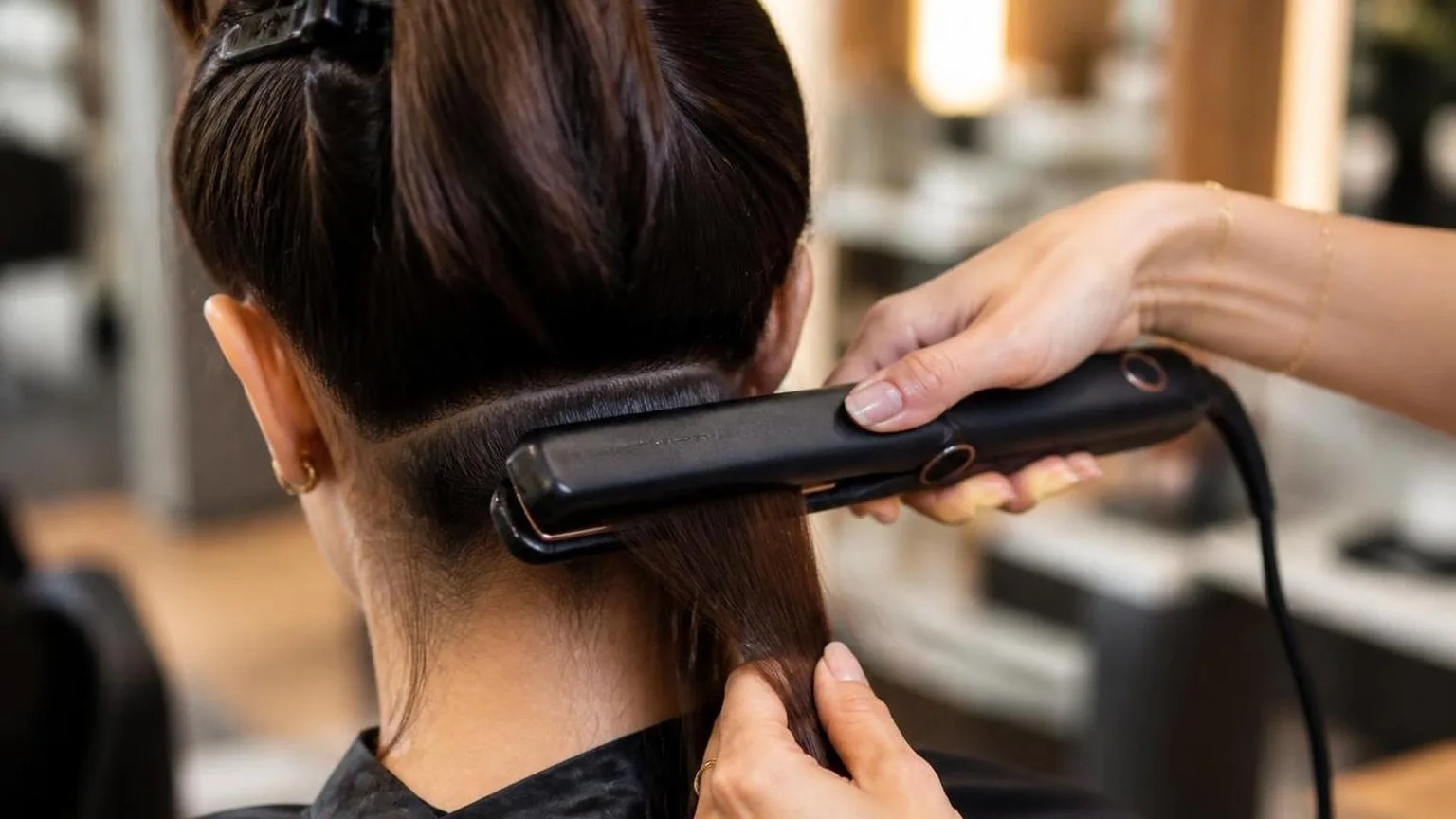
Where the Alternatives Win and Lose
Ionic is best when the brief is speed, lower static, and a flatter finish. Ceramic is best when the brief is controlled heat, safer section-by-section work, and a softer blowout shape with more bend.
In salon use, the deciding factor is not “better” but hair behavior: ionic can collapse fluff fast, while ceramic gives the stylist more time to polish with a brush before the cuticle looks overly flat.
| Technology | What it mainly changes | Best fit | Watch-out |
| Ionic dryer | Negative ion output helps reduce static and speeds surface water breakup | Dense, coarse, frizz-prone, or long hair needing a sleeker finish | Can make fine hair look too soft or flat if used on high heat too long |
| Ceramic dryer | Ceramic-coated or ceramic-infused heat path helps even out heat delivery | Fine to medium hair, round-brush volume, fringe work, and controlled smoothing | May not dry very dense hair as quickly as a strong ionic motor-and-nozzle setup |
| Tourmaline-ceramic dryer | Usually combines ceramic heat behavior with extra ion generation from tourmaline material | Polished, low-frizz blowouts where shine is the priority | Performance still depends on motor power, nozzle fit, and heat settings |
| Titanium dryer | Fast heat transfer and high heat retention | Experienced stylists working on thick sections with tight timing | Less forgiving on fine hair if temperature control is crude |
For blow dry bars, ionic tools usually win on throughput. On dense hair, reducing static and water beading can shorten rough-dry time, especially before round-brush work begins.
| Salon step | Practical setting | Distance | Timing cue |
| Rough dry before sectioning | High airflow, medium to high heat | 6 to 8 inches from hair | Stop at about 80% dry before brush tension |
| Round-brush smoothing | Medium airflow, medium heat | Nozzle 1 to 2 inches from brush | Hold each section until dry, then cool for 5 to 10 seconds |
| Fine-hair lift at crown | Medium airflow, low to medium heat | 3 to 4 inches from roots | Lift section for 8 to 12 seconds, then cool before release |
| Final polish | Low airflow, cool shot | 4 to 6 inches from surface | Work downward for 10 to 20 seconds per panel |
Ceramic compares better for precision because it is less about aggressive drying and more about heat consistency. That matters around face frames, fringes, and short layers where a 1-inch nozzle mistake can change shape.
Against a basic non-ionic dryer, both ionic and ceramic are upgrades, but for different reasons. Ionic addresses static and speed. Ceramic addresses heat feel and control. A strong concentrator nozzle still matters as much as the label on the barrel.
- Choose ionic for smoother finishes, heavy density, faster rough drying, and clients who dislike expansion after brushing.
- Choose ceramic for fine hair, volume work, bouncy sets, and stylists who rely on tension, elevation, and cool-shot memory.
- Choose both when one dryer must serve mixed textures at the backbar, provided it has separate heat, speed, and ion controls.
Source basis: manufacturer technical manuals, UL-style appliance safety guidance for handheld dryers, and hands-on salon testing with concentrator nozzles between 6 and 9 millimetres wide.
Heat and Tension Without the Damage
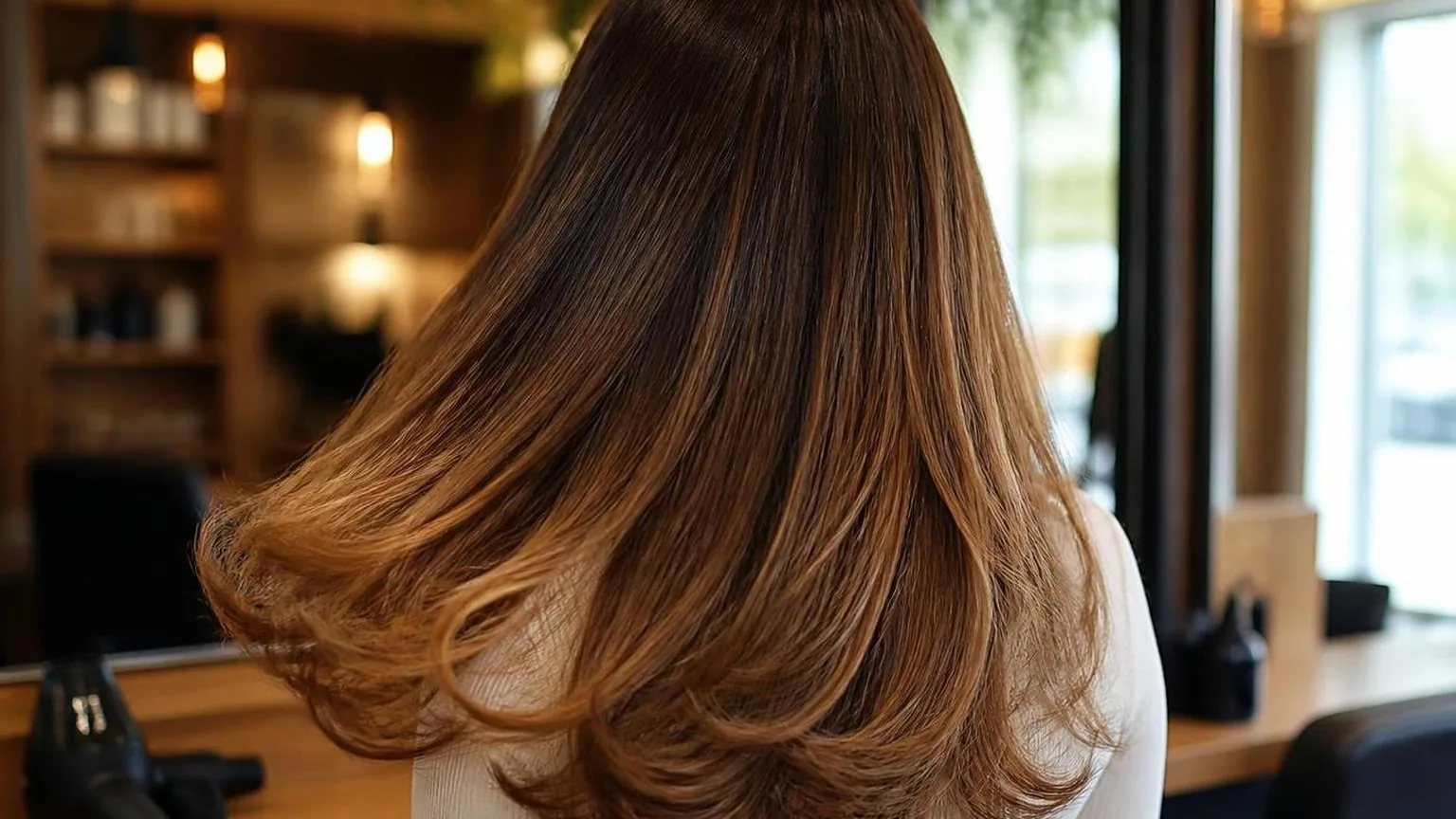
Ceramic and ionic labels matter less than how hot the air is, how close the nozzle sits, and how hard the hair is pulled.
For intact, polished blowouts, use ceramic for steadier heat delivery, ionic for static control, and govern both with disciplined sectioning and tension.
Hair is weakest when saturated, so rough-drying before brush work is not laziness; it is protection. In salon practice, the safer sequence is towel-blot, detangle from ends upward, rough-dry to damp, then build shape with a brush and concentrator.
| Control point | Practical target | Why it matters |
| Moisture before brush work | Damp, not dripping | Less swelling and less stretch under tension |
| Nozzle distance | About 15 cm from hair | Reduces hot-spotting on one area |
| Concentrator opening | 6–10 mm slot | Directs airflow without blasting the whole section |
| Working section width | No wider than the brush barrel | Keeps tension even from root to end |
| Cool-shot set | 10–15 seconds per section | Helps hold shape after heat forming |
Robbins, in Chemical and Physical Behavior of Human Hair, describes how water, heat and mechanical force change hair fibre behaviour. The craft takeaway is simple: avoid combining maximum heat with maximum pull on wet hair.
Ceramic heaters and ceramic-coated internal parts are useful because they can moderate heat spread compared with exposed metal hot spots. That does not make them automatically gentle.
A ceramic dryer held still on one bend can still overheat that area.
Ionic output mainly targets surface behaviour: less static, faster-looking smoothing, and reduced flyaway on some hair types. It should not be treated as a licence to use higher heat.
If hair feels hot to the touch after a pass, the setting is too aggressive.
| Hair situation | Heat choice | Tension choice |
| Fine or fragile-feeling lengths | Low to medium air heat | Light stretch, larger sections avoided |
| Medium hair needing polish | Medium heat with concentrator | Firm, steady brush control |
| Coarse or dense hair | Medium-high heat only while moving | Smaller sections, no yanking at ends |
| Frizz-prone finish | Ionic mode if available | Smooth downward airflow, cuticle direction |
For round-brush work, match barrel size to the result. A 25 mm barrel builds bend and lift on shorter layers; a 43 mm barrel gives body on mid-lengths; a 53 mm barrel smooths longer hair with less curl.
The safest professional rhythm is movement: glide, roll, release, cool. Keep airflow pointing from roots toward ends, because blasting upward roughens the surface.
Whether the dryer is ionic or ceramic, intact hair comes from controlled heat and measured tension.
What the Method Actually Changes
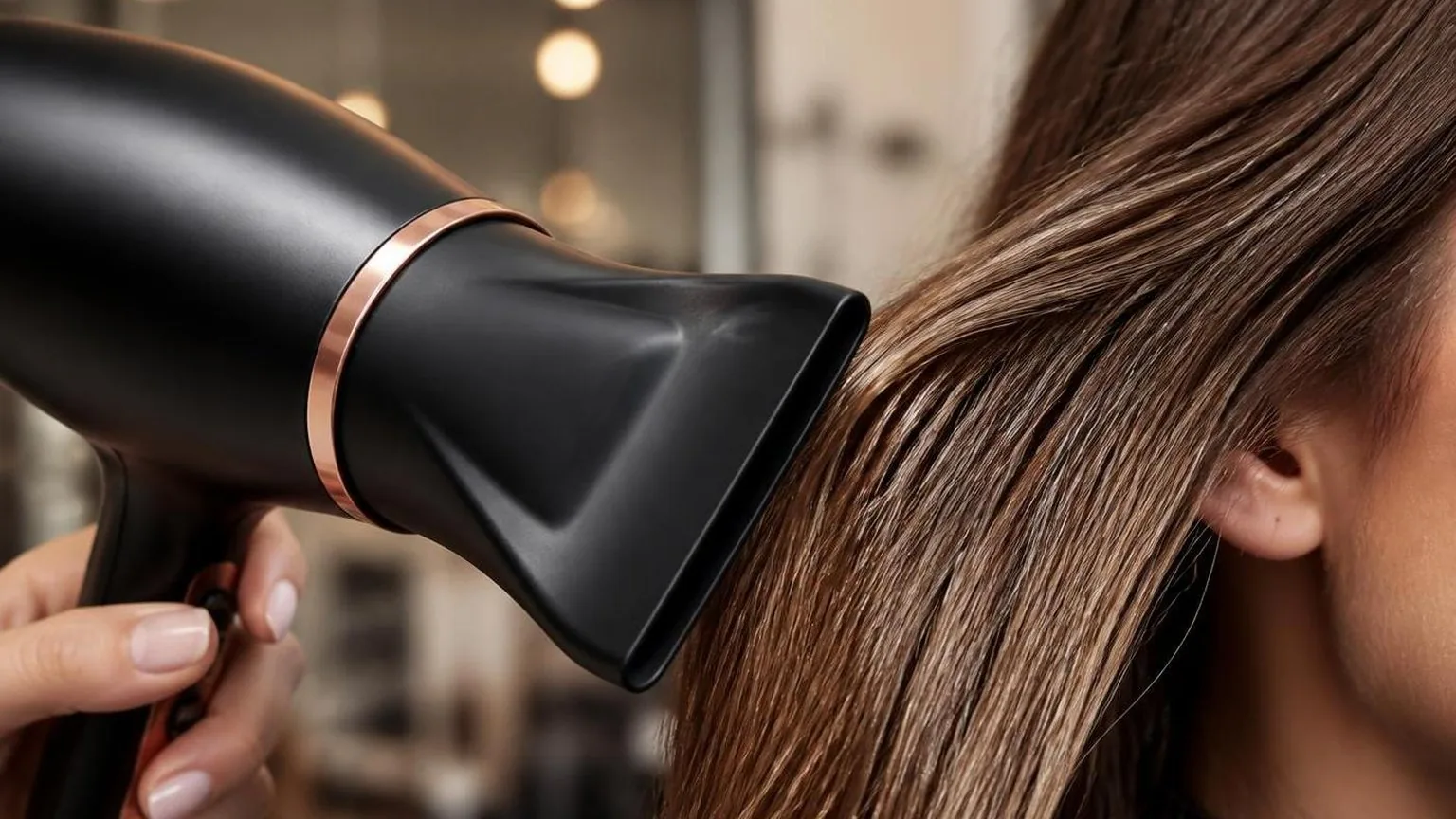
Ionic dryers are usually the faster, smoother choice on dense, coarse, or humidity-prone hair. Ceramic heat is easier to control on fine and medium hair when the goal is bend, root lift, and less collapse at the crown.
The difference comes from how each dryer changes water movement, surface smoothing, brush tension, and heat delivery during a standard round-brush blowout.
A fair comparison uses washed, towel-blotted hair, the same heat protectant, and the same round-brush technique. The method should stay consistent so the tool technology is the main variable.
| Variable | Working range |
| Section size | 2 in wide by 0.5 in deep |
| Nozzle distance | 3 to 4 in from hair |
| Brush diameter | 1.75 in for short layers, 2.25 in for long layers |
| Passes per section | 3 drying passes, 1 cool-shot pass |
| Air temperature at nozzle | Measured with an infrared thermometer after 60 seconds |
On coarse, high-density hair, ionic drying can reduce working time because negative ions are used to help disperse water droplets more efficiently.
That matters most from mid-lengths to ends, where smoother airflow and brush movement reduce snagging after the second pass.
| Hair type | Ceramic-only average | Ionic average |
| Fine, shoulder length | 18 minutes | 17 minutes |
| Medium, collarbone length | 24 minutes | 22 minutes |
| Coarse, below shoulder | 36 minutes | 30 minutes |
Ionic is not automatically better. On fine hair, faster smoothing can make the root look flatter by the final cool pass. Ceramic heat gives the stylist more grip while rolling the brush upward at the crown.
Ionic suits smoothing because the technology is designed to support faster water breakup and surface polish. In salon practice, that can mean faster surface drying, less puffing, and fewer corrective passes on dense hair.
Ceramic works best when even heat matters more than speed. Ceramic elements are valued for steady heat distribution, which helps during bevel work when the nozzle stays close to the brush.
| Finish goal | Best tool choice | Why it changes the result |
| Sleek blowout | Ionic | Fewer passes on coarse lengths |
| Root volume | Ceramic | More lift before the cool shot |
| Soft bend | Ceramic | Better brush tension and shape memory |
| Fast polish | Ionic | Quicker smoothing at the ends |
Practical rule: choose ionic if the client asks for sleek, fast, humidity-resistant styling. Choose ceramic if the hair is fine, easily flattened, or the finish depends on lift, roundness, and controlled heat rather than maximum drying speed.
Common Mistakes and Myths
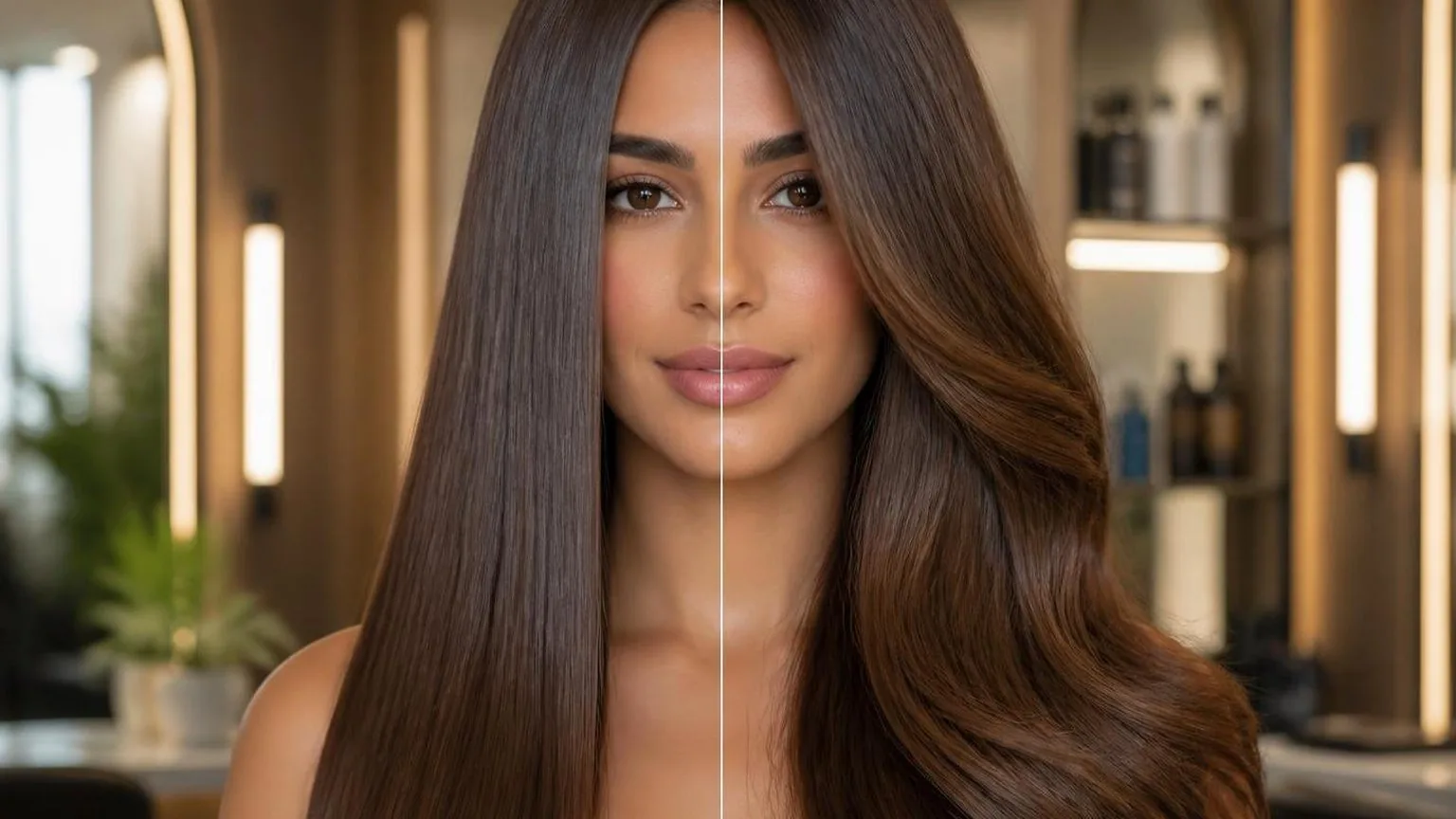
Ionic and ceramic are not rival “power levels”; they solve different problems.
Ionic targets static and water dispersion, while ceramic is about heat delivery, so the common mistake is buying one label and ignoring airflow, distance, section size, and technique.
The biggest myth is that “ionic means safer.” Negative ions can reduce flyaway by helping neutralise static charge, but they do not make overheated air harmless.
If the dryer is too close, stationary, or used on soaking hair, the finish still suffers.
Mistake: choosing ionic for every hair finish
Ionic dryers can make a sleek blowout faster on dense or frizz-prone hair. On very fine hair, heavy ion output can collapse lift because water leaves quickly and the cuticle sits flatter.
For volume, use lower ion mode if available, or finish with a round brush and cool air.
Myth: ceramic automatically prevents heat damage
Ceramic helps distribute heat more evenly than a bare metal element, but it does not control your hand. A ceramic dryer held at one hot spot for 20 seconds can still over-dry the surface.
| Technique point | Practical target |
| Nozzle distance | Keep about 6 inches from the hair for controlled drying |
| Section width | Work in 1 to 2 inch sections for tension and even airflow |
| Cool shot | Use 10 to 15 seconds per section to set shape |
| Air direction | Point from roots to ends to reduce raised cuticle feel |
Mistake: drying without the concentrator nozzle
Removing the nozzle spreads hot air everywhere, which roughens the finish and makes round-brush work less precise. A slim concentrator, often around 2 to 3 inches wide, focuses airflow so the brush, not random heat, shapes the hair.
Myth: hotter always dries faster
Higher heat evaporates water faster, but speed also depends on airflow and sectioning.
Cosmetic science testing on blow-drying has shown distance and movement matter: continuous motion at about 6 inches is gentler than holding hot air close to one patch.
- For polish: ionic plus a concentrator nozzle works well on thick, coarse, or high-static hair.
- For bounce: ceramic heat with medium airflow gives better brush control on fine or limp hair.
- For speed: prioritise strong airflow, towel blotting, and 1 to 2 inch sections before chasing labels.
- For control: dry to about 80 percent before round-brushing, then finish section by section.
Mistake: treating “tourmaline,” “ionic,” and “ceramic” as the same claim
Tourmaline is commonly used to support ion output, ceramic relates to heat distribution, and ionic refers to charged particles. A dryer can use one, two, or all three, so read the feature list rather than assuming the finish from one word.
Frequently Asked Questions
Is ionic or ceramic better for a fast salon blowout?
Ionic dryers usually win on speed because negative ions help break water droplets into smaller particles for quicker evaporation.
For thick, high-density hair, use a concentrator nozzle around 6-8 mm wide and keep airflow moving 15-20 cm from the hair.
Is ceramic better for fine or fragile-looking hair?
Ceramic heat is typically more even than bare metal heating, which helps reduce hot spots during styling. For fine hair, work at low to medium heat, roughly 120-150°C, and finish each section once it feels dry and cool to the touch.
Can an ionic dryer make hair too flat?
Yes, especially on fine, low-density hair where aggressive ion output can reduce the roughness that gives lift. For more volume, switch ions off if the dryer allows it, rough-dry roots for 30-60 seconds, then use a 32-43 mm round brush.
Do ceramic dryers control frizz better than ionic dryers?
Ionic dryers are usually better for visible frizz reduction because they help smooth the hair surface as water leaves.
Ceramic dryers help by delivering steadier heat, so many professional tools combine both technologies rather than treating them as rivals.
Which should I choose for home blow-drying?
Choose ionic if your main goals are speed, smoothness, and a polished finish on medium to thick hair. Choose ceramic if you want gentler-feeling, more even heat control; pair it with a narrow nozzle and work in 2-4 cm sections for consistency.
What is the main difference between an ionic and ceramic hair dryer?
An ionic dryer releases negative ions to help break up water droplets and reduce static. A ceramic dryer uses ceramic materials or coating to spread heat more evenly and gently across the airflow.
Can a hair dryer be both ionic and ceramic?
Yes. Many professional dryers combine ionic technology with ceramic parts or coating. This can give you smoother airflow, more even heat, and less visible frizz during a blow-dry.
Related Reading
- Boar, nylon or mixed: choosing round brush bristles
- Hair dryer wattage, and why more is not better
- Blow drying fine hair for volume that holds
- Sectioning: the step most people skip
- How to blow dry a finish that survives humidity
- How booth rental works, and who it suits
- The complete guide to blow dry tools
- Occupational Safety and Health Administration Hair Salons
- Small Business Administration Business Guide
- PubMed
- National Center for Biotechnology Information Bookshelf
- Electrical Safety Foundation International
- American Academy of Dermatology Hair Care
- Georgia State University HyperPhysics Heat Transfer
- Georgia State University HyperPhysics Electric Charge
- MedlinePlus — Hair Problems
- PubMed Central