
-

Rough dry or section dry: when each one wins
The essentials: Rough drying vs section drying: rough drying uses fingers and moving airflow to remove excess moisture; section drying uses a brush on controlled, 2–3 cm sections to shape and smooth. Rough-dry first…
-

Dryer weight, wrist strain and a full shift
The gist: Hair dryer weight directly affects wrist strain: dryers heavier than 500 grams (about 1.1 pounds) fatigue…
-

Chair count: sizing a blow dry bar to its demand
The quick version: A blow dry bar typically needs 4 to 8 styling chairs. A small studio starts…
-

Smoothing wavy hair without flattening it
In a sentence: How to blow dry wavy hair smooth: rough-dry to about 80 percent dry on medium…
-
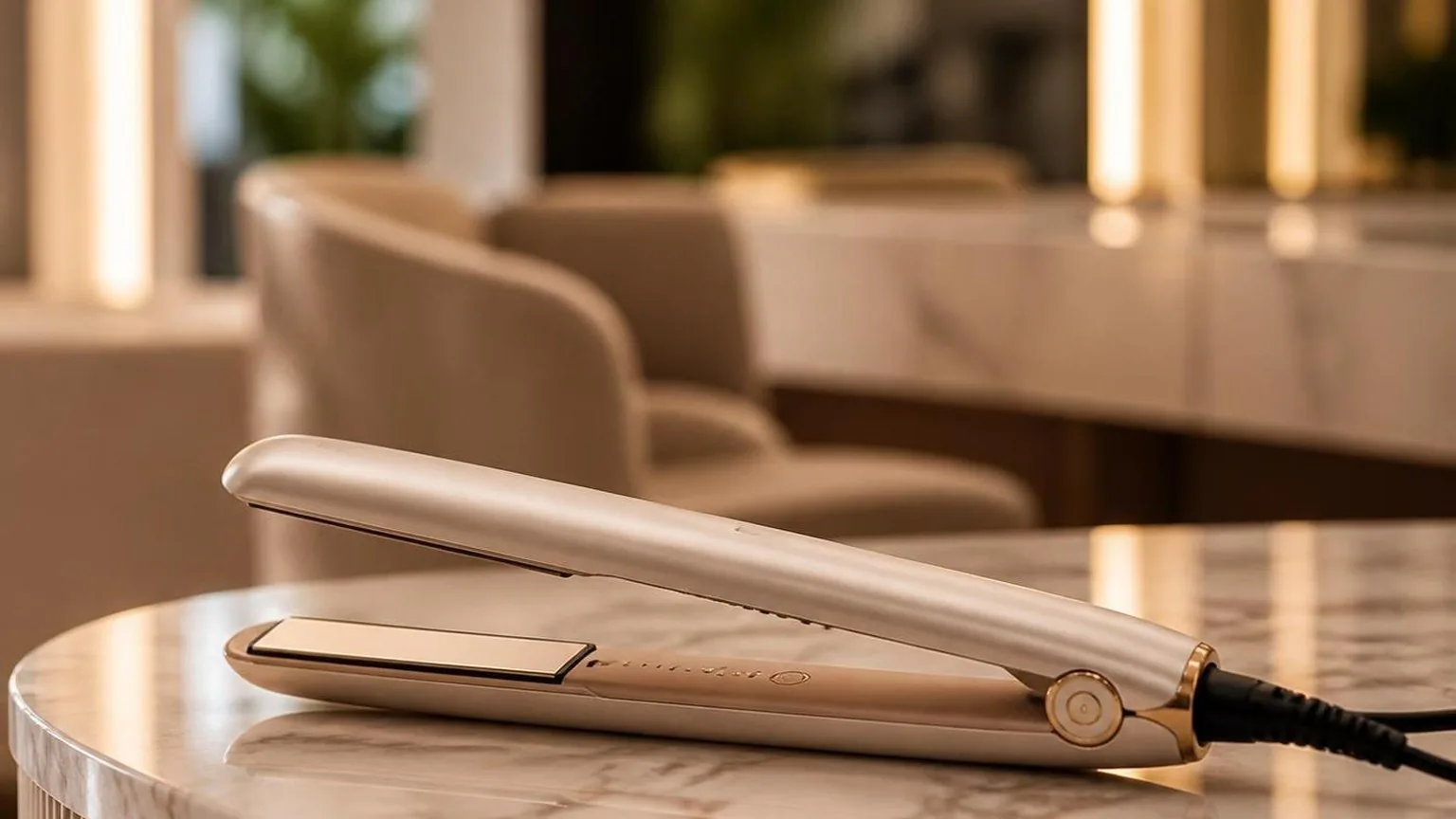
Ionic or ceramic: what the labels actually mean
Ionic and ceramic do different jobs. One affects water and finish, the other affects how heat is spread and delivered.
-

How salon memberships work, and when they backfire
A salon membership can smooth demand and protect repeat visits, but only if the allowance, booking rules, and payroll cost are tight.
-

The types of salon insurance, and what each covers
A practical guide to salon insurance types, from public liability to stock, tools, treatment cover, employers’ liability and business interruption.
-

The licences a blow dry bar needs, and who issues them
Most blow dry bars need business registration, tax IDs, salon or cosmetology approval, local permits, insurance and employment setup before opening.
-

What a blowout is, and how it differs from a blow dry
A blowout is a styled blow dry with shape, polish and hold. It is not just getting hair dry.