Hair – Salon Business – Pro Tools
Category: Salon Business
-
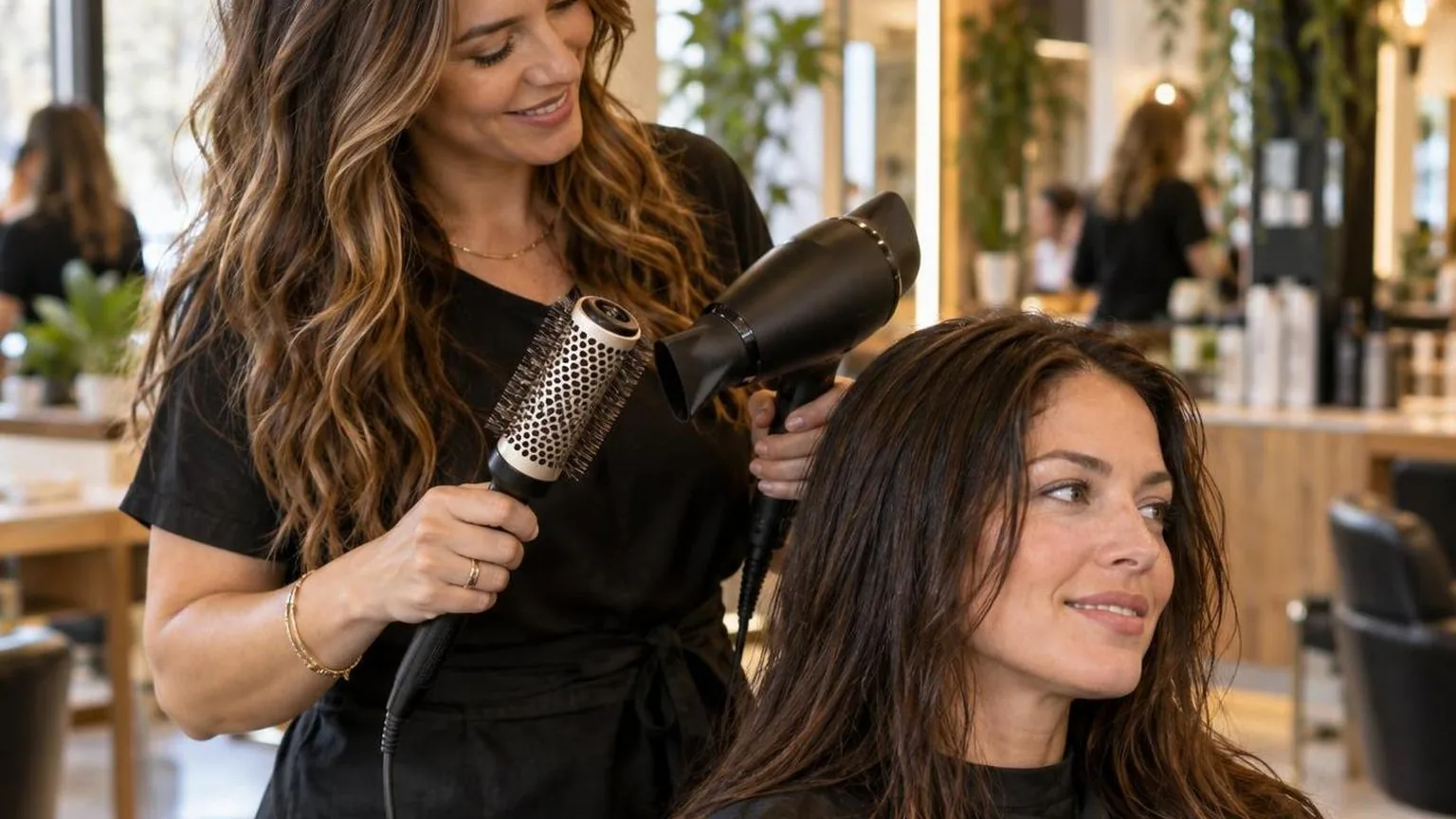
Straight answer: Price a blowout by calculating your per-service cost first: add product used (typically 30–50 ml of styling product), stylist time (35–45 minutes average), and chair overhead. Most US blow dry bars charge between $35 and $65 for a standard blowout on medium-length hair, scaling up $10–$20 for longer or thicker textures. How to…
-

Short version: booth renter take home pay is typically about 50% to 70% of service revenue after chair rent, product costs, booking fees, taxes, insurance, and supplies. A stylist grossing $6,000 monthly might take home about $3,000 to $4,200, depending on rent level, rebooking rate, retail sales, and expense control. booth renter take home pay…
-
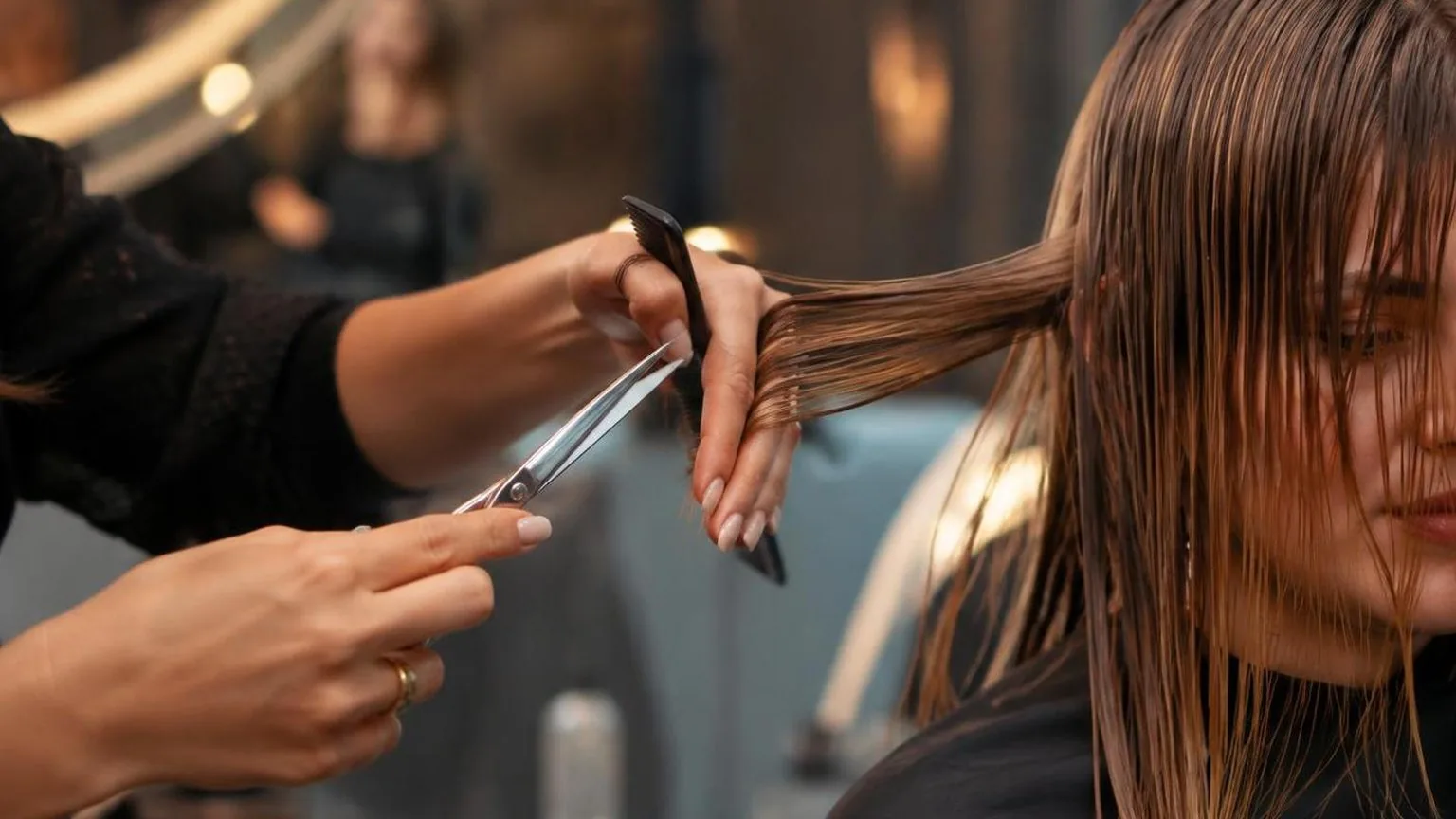
Quick answer: hand insurance for hairdressers is usually covered through occupational accident, disability, or personal accident insurance, not a standard salon policy. Choose coverage that pays if a hand injury stops you cutting, coloring, washing, or blow-drying. Ask for “own occupation” wording, a short waiting period, and benefit payments based on your real weekly income.…
-
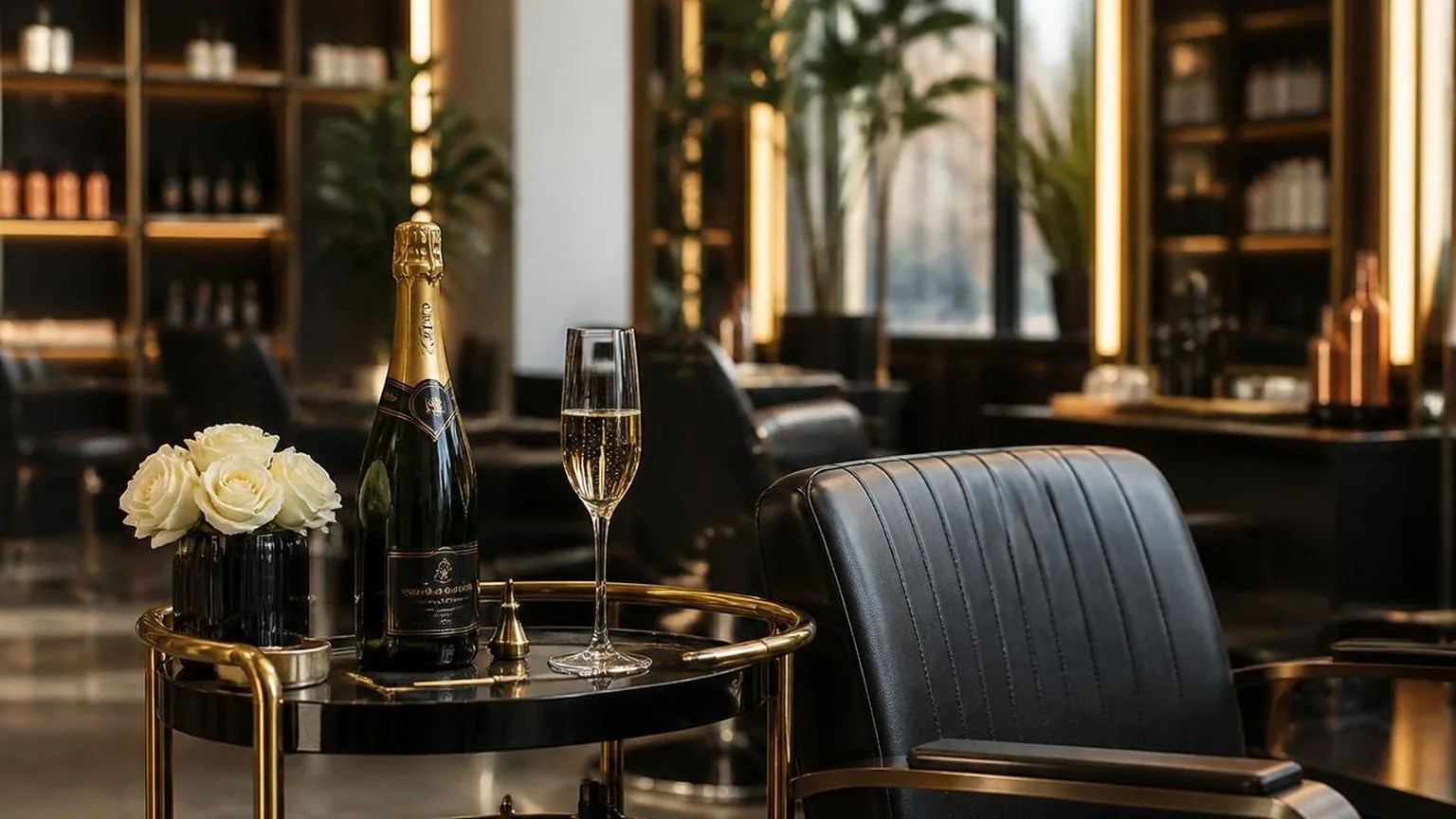
Quick answer: Do salons need an alcohol licence? Yes, if you sell alcohol or include it in the price of a service, package, ticket, or promotion. In England and Wales, most salons need premises authorisation plus a designated premises supervisor with a personal licence. Free drinks may still need review if they support paid services.…
-
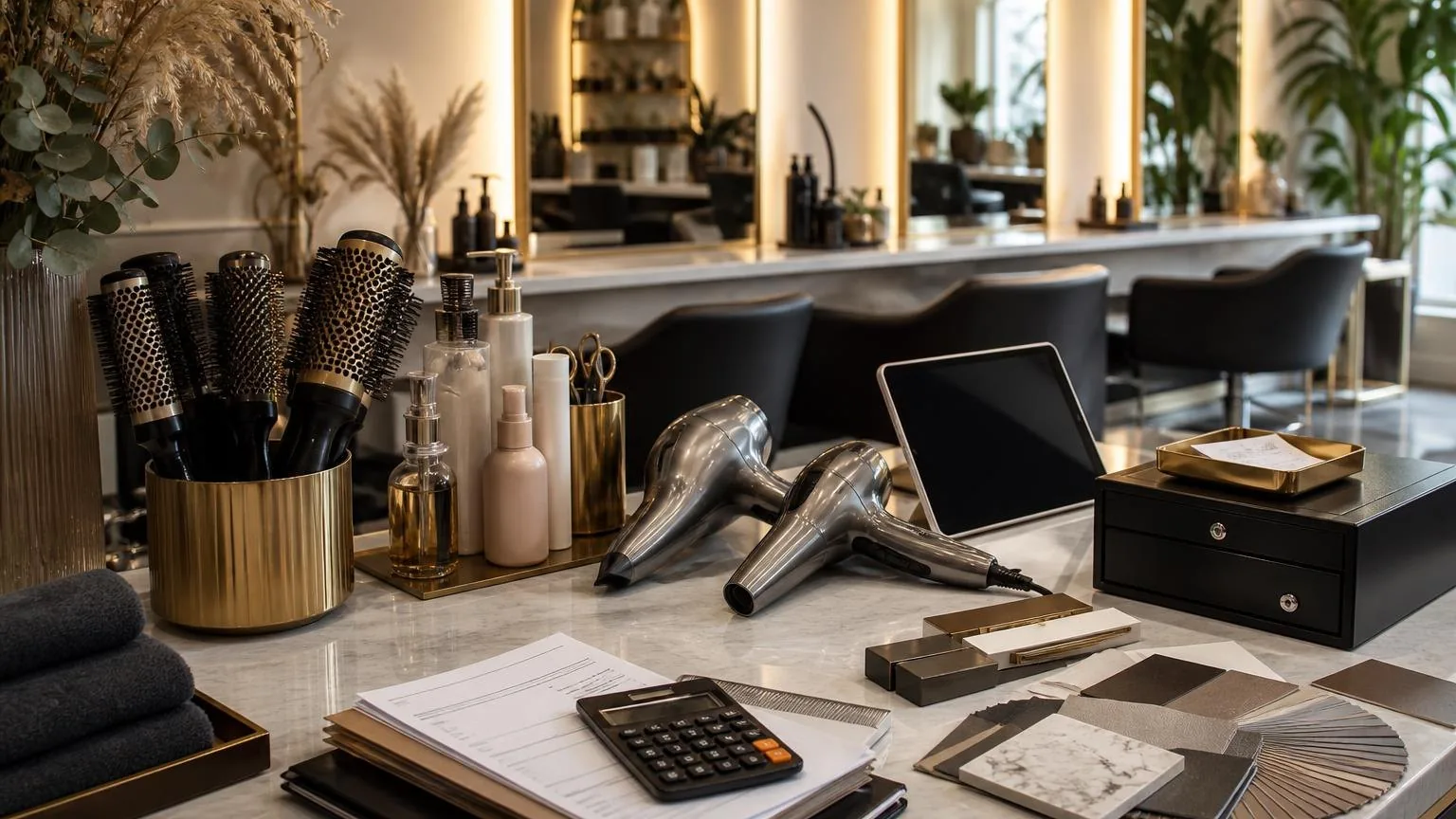
Quick answer: What it costs to open a blow dry bar: expect roughly $75,000–$250,000 for a small independent location, with lean buildouts near the low end and premium high-street salons higher. Budget for lease deposit, plumbing, electrical, chairs, dryers, wash stations, booking software, signage, licenses, insurance, launch stock, and 3–6 months’ working capital. What it…
-
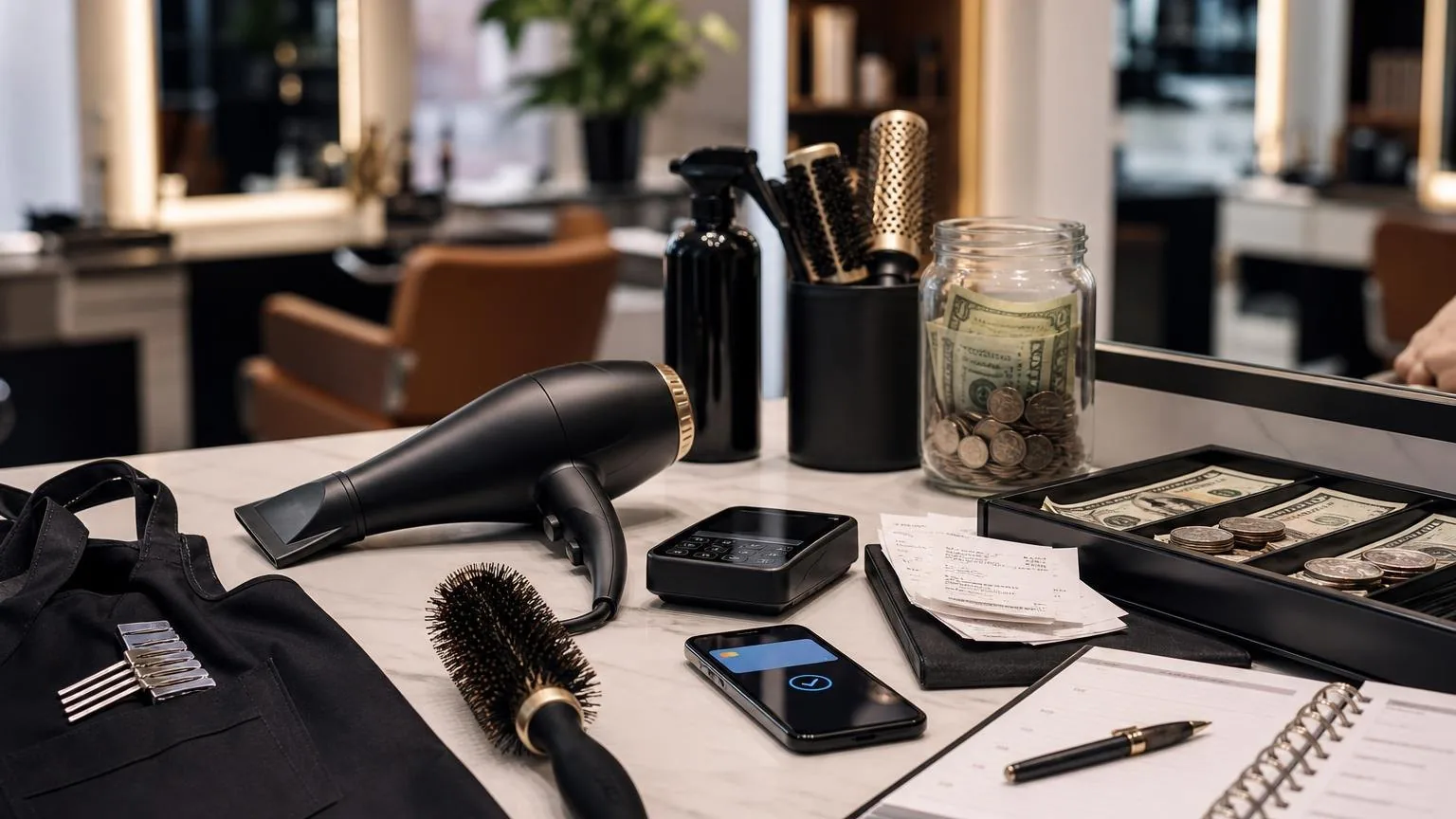
Blow dry stylist pay usually follows one of three structures: employee wages, commission, or self-employed rental. Take-home income depends on flow, speed and costs.
-
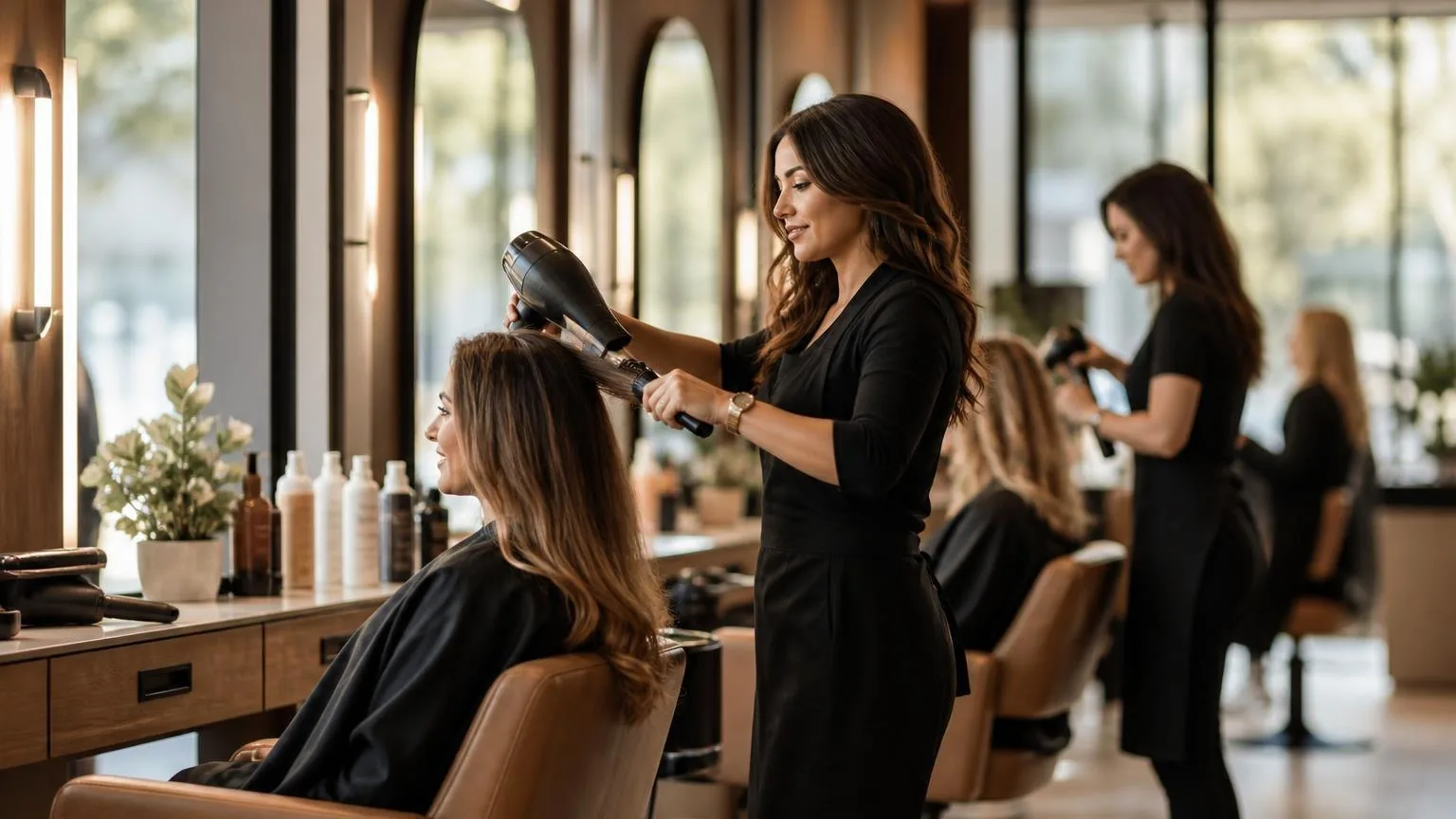
A blow dry bar sells repeatable styling, speed and experience rather than cuts or colour. The model depends on tight service design and chair use.
-

Booth rental means a stylist runs their own business inside a salon space. The owner supplies the agreed facilities; the renter controls their clients, pricing and work.
-
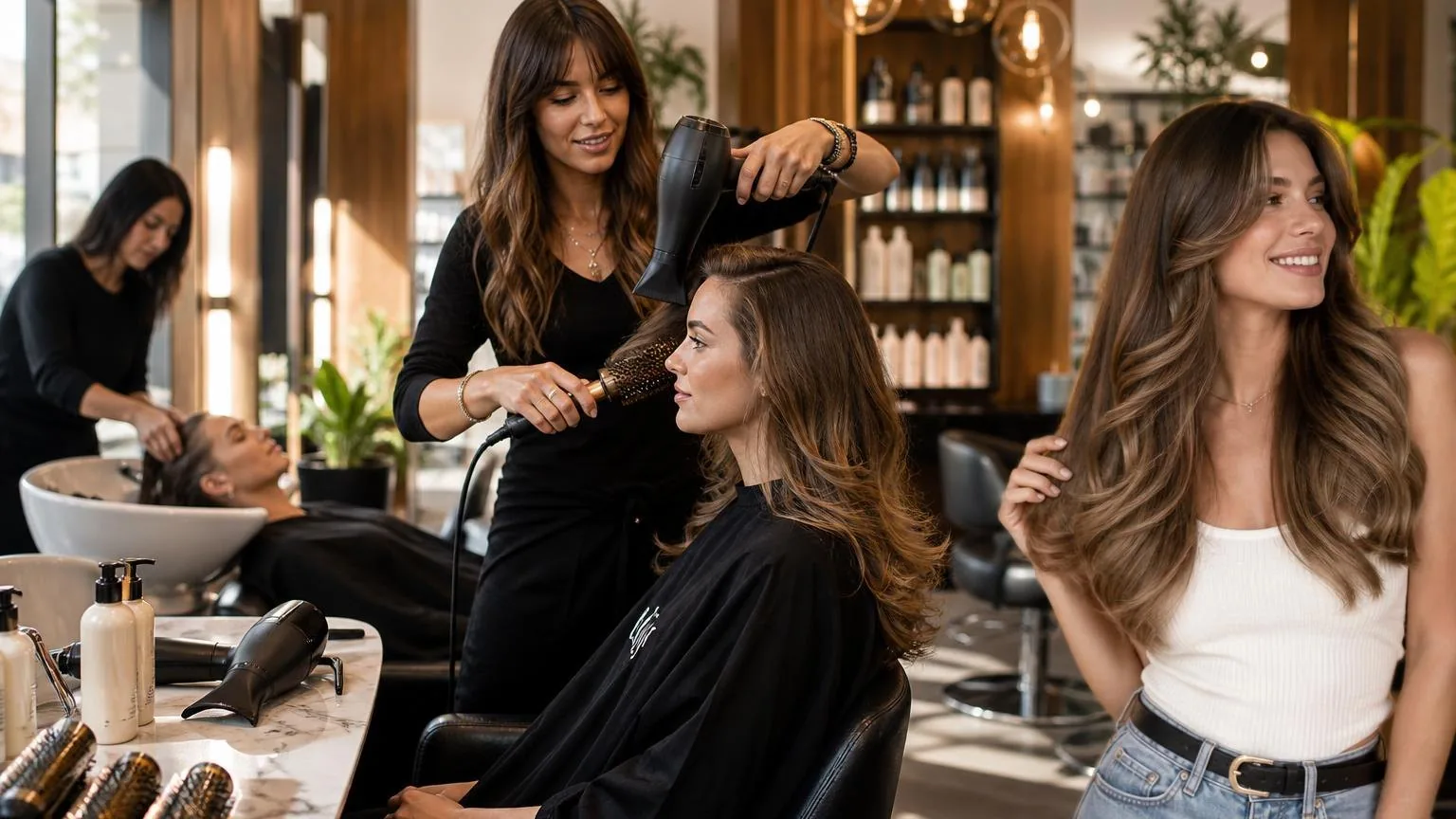
A blow dry bar is a salon built around styling, not cutting or colour. The model depends on speed, consistency, clear menus and repeat bookings.
-

A salon membership can smooth demand and protect repeat visits, but only if the allowance, booking rules, and payroll cost are tight.