
-

Rough dry or section dry: when each one wins
The essentials: Rough drying vs section drying: rough drying uses fingers and moving airflow to remove excess moisture; section drying uses a brush on controlled, 2–3 cm sections to shape and smooth. Rough-dry first…
-

Dryer weight, wrist strain and a full shift
The gist: Hair dryer weight directly affects wrist strain: dryers heavier than 500 grams (about 1.1 pounds) fatigue…
-

Chair count: sizing a blow dry bar to its demand
The quick version: A blow dry bar typically needs 4 to 8 styling chairs. A small studio starts…
-
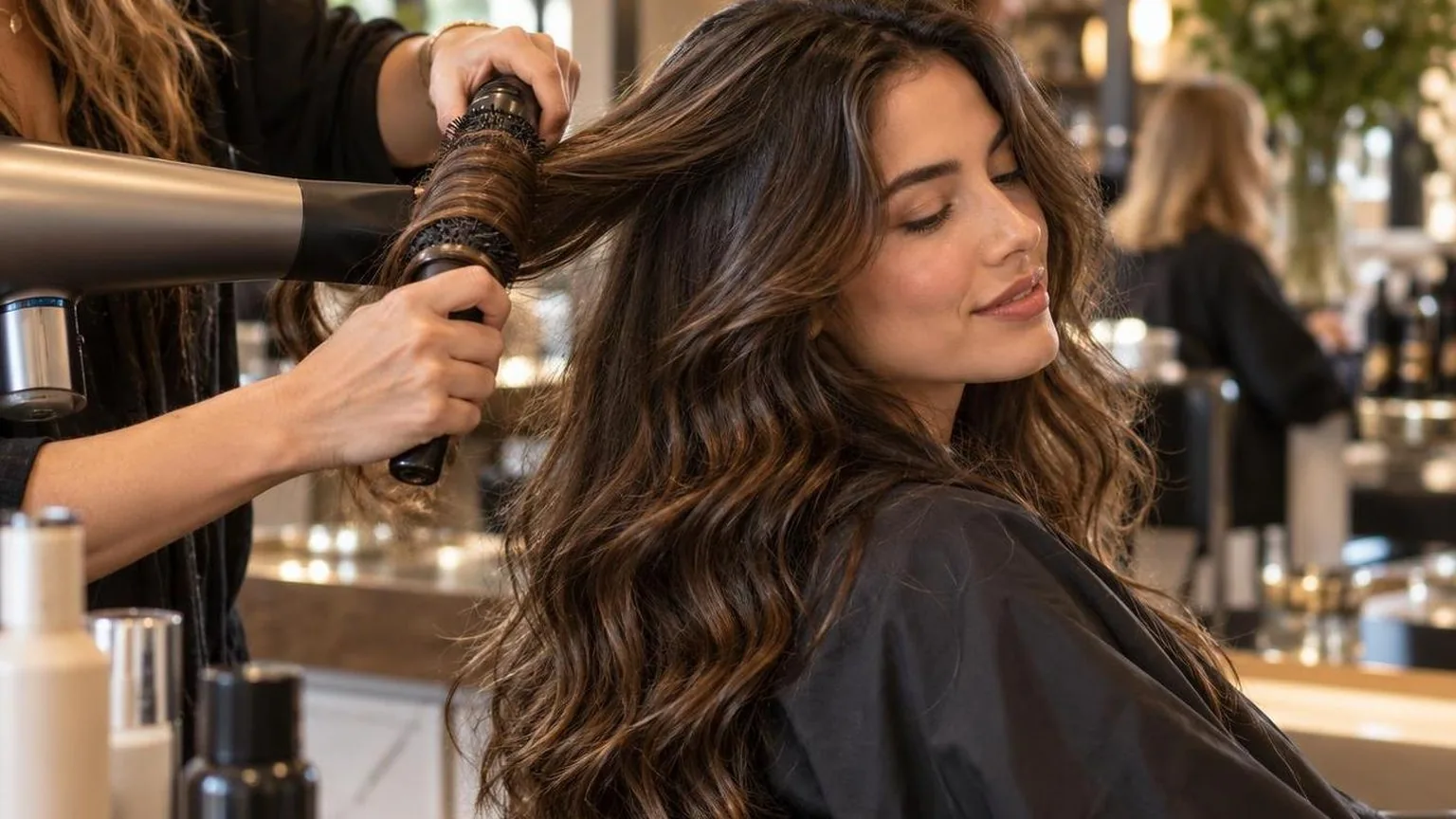
Smoothing wavy hair without flattening it
In a sentence: How to blow dry wavy hair smooth: rough-dry to about 80 percent dry on medium…
-

What a diffuser does that a concentrator cannot
The essentials: Diffuser: it spreads airflow through prongs and vents, drying curls or waves with low-velocity, indirect air instead of a narrow…
-
How to blow dry a finish that survives humidity
Humidity tests the set, not just the styling product. A longer-lasting blow dry comes from controlled water removal, firm tension and full…
-

How blow dry stylists are paid: the three structures
Blow dry stylist pay usually follows one of three structures: employee wages, commission, or self-employed rental. Take-home income depends on flow, speed…
-

The blow dry bar business model, explained
A blow dry bar sells repeatable styling, speed and experience rather than cuts or colour. The model depends on tight service design…
-
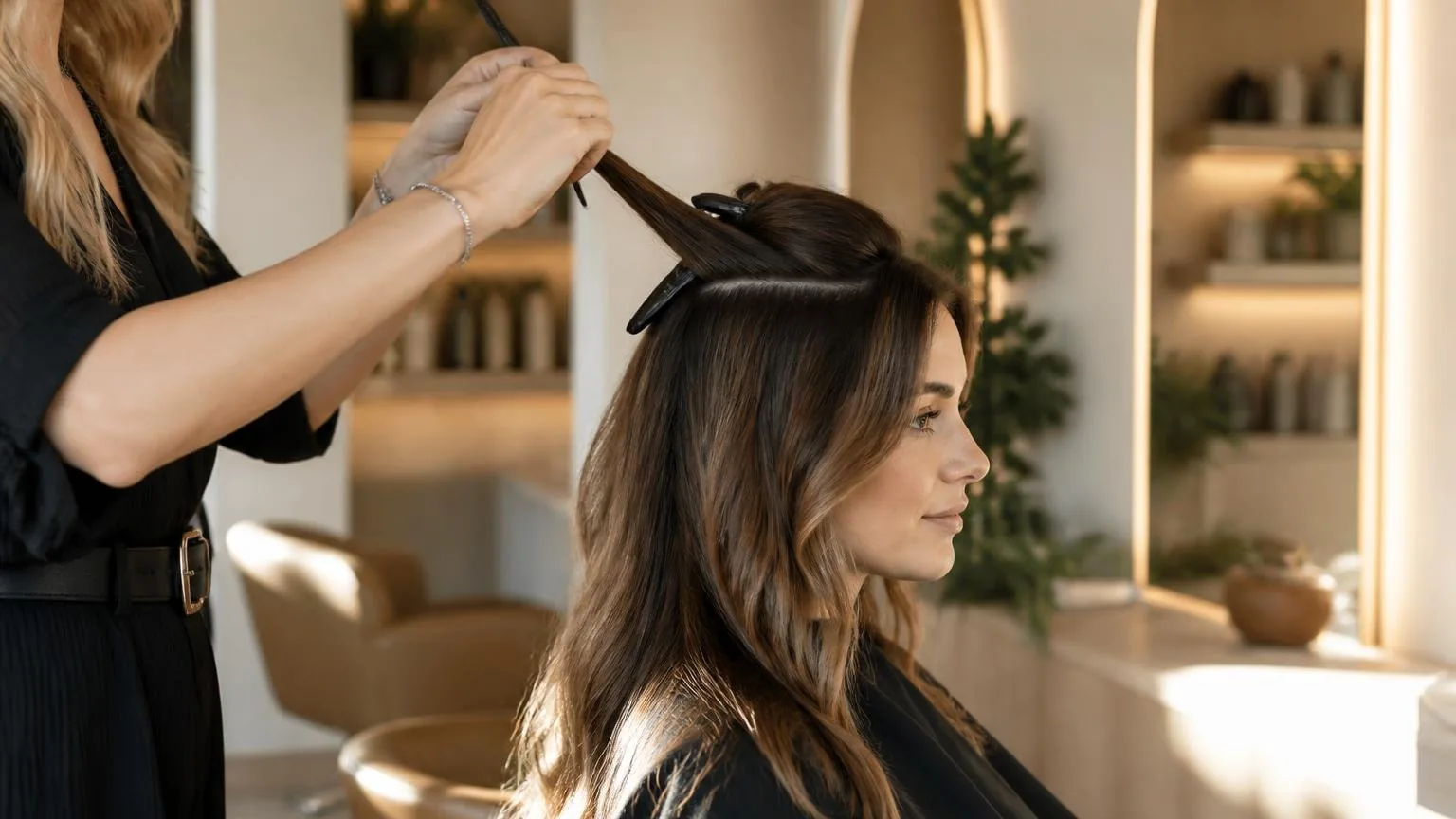
Sectioning: the step most people skip
Sectioning gives a blow dry control, speed and polish. Use clean partings, small panels and firm clips so every strand gets even…