
-
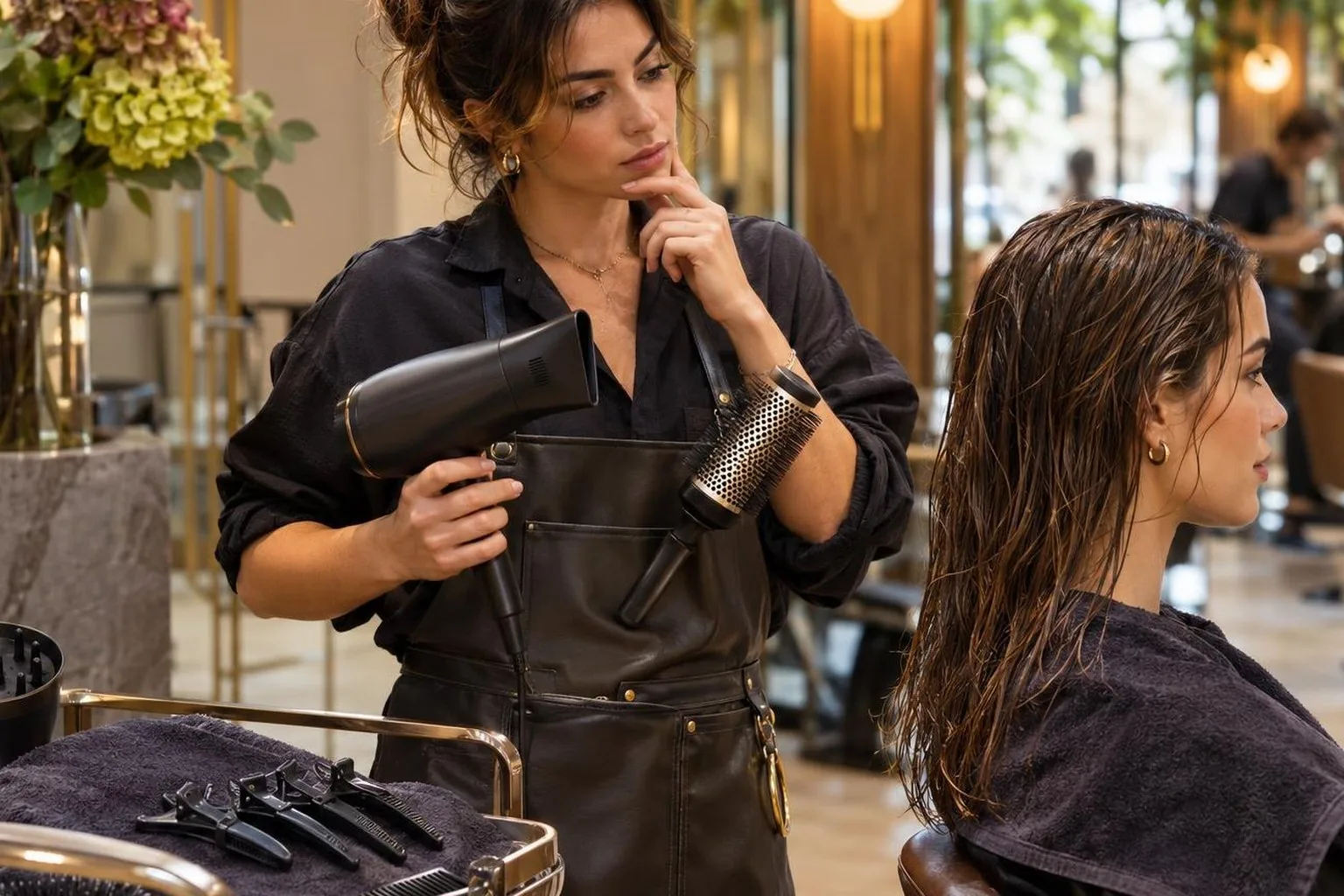
Rough dry or section dry: when each one wins
The essentials: Rough drying vs section drying: rough drying uses fingers and moving airflow to remove excess moisture; section drying uses a brush on controlled, 2–3 cm sections to shape and smooth. Rough-dry first…
-
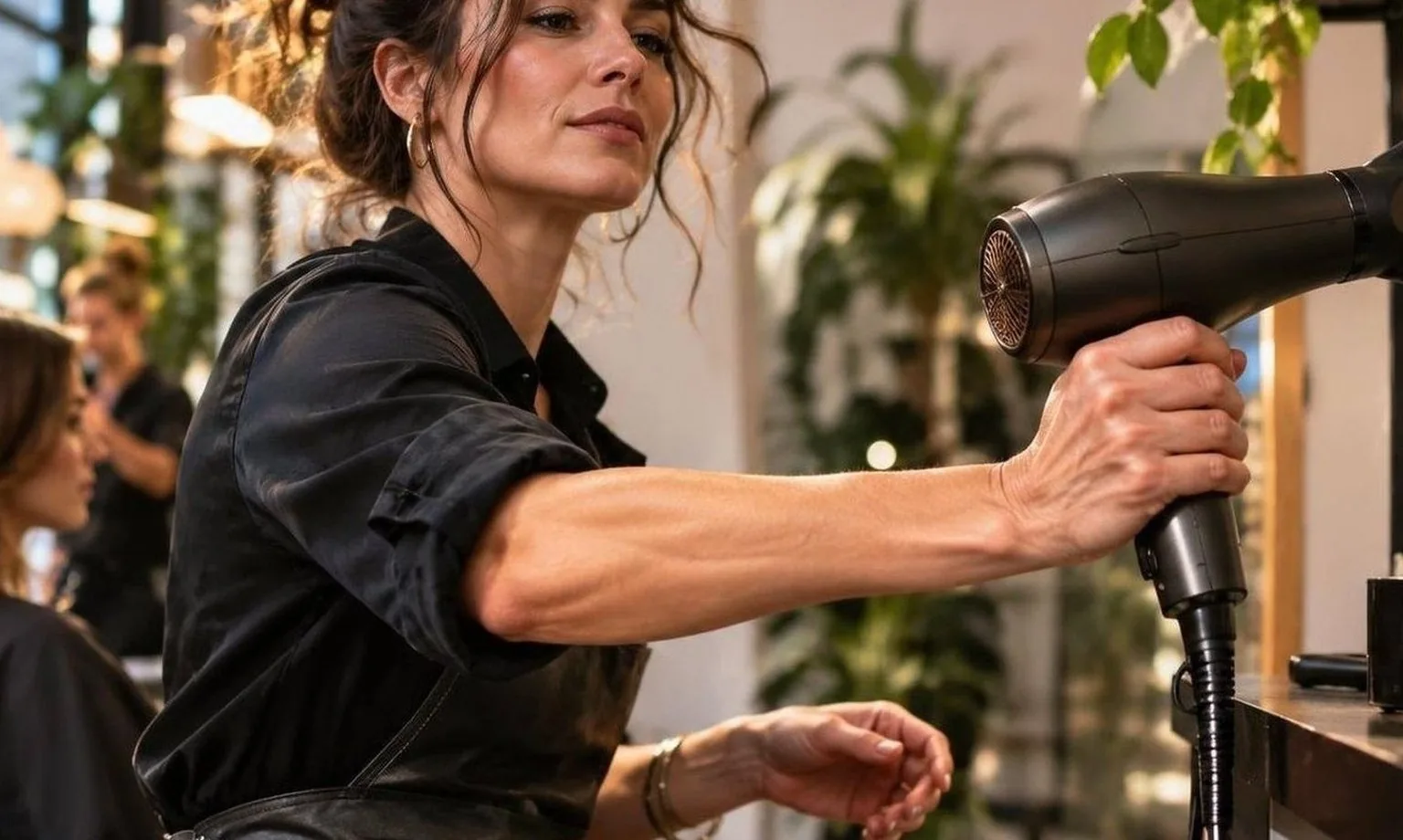
Dryer weight, wrist strain and a full shift
The gist: Hair dryer weight directly affects wrist strain: dryers heavier than 500 grams (about 1.1 pounds) fatigue…
-
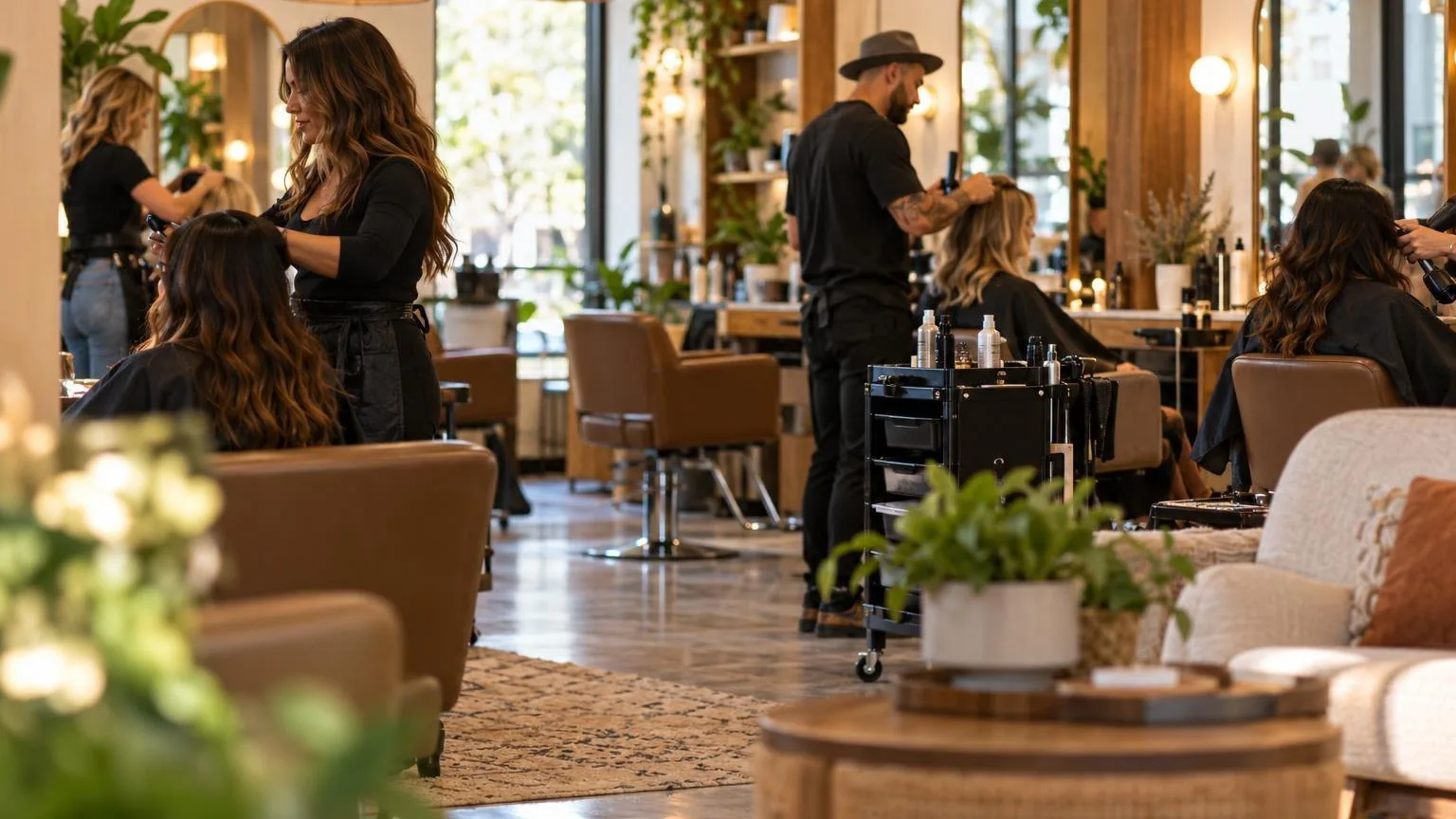
Chair count: sizing a blow dry bar to its demand
The quick version: A blow dry bar typically needs 4 to 8 styling chairs. A small studio starts…
-
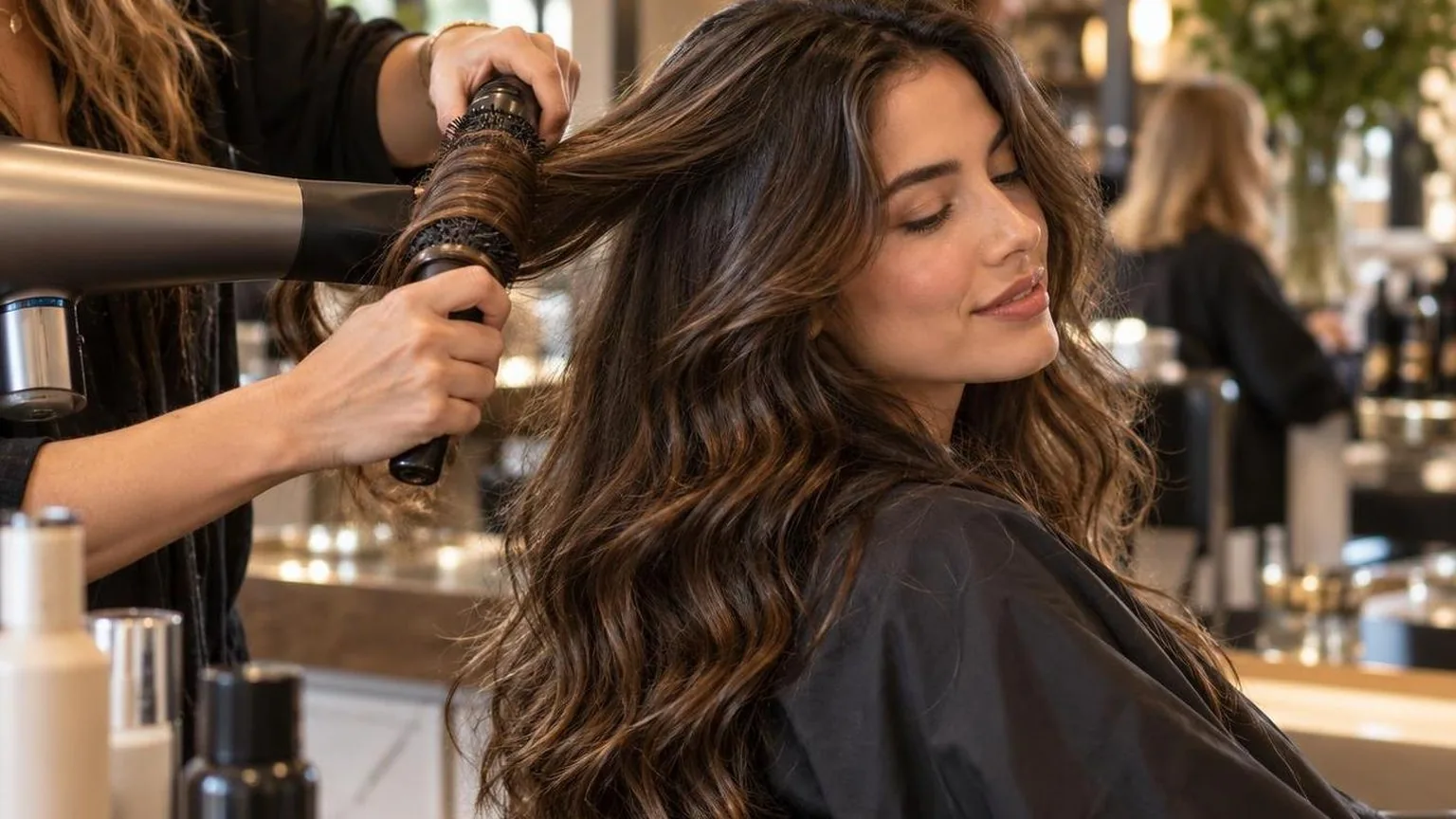
Smoothing wavy hair without flattening it
In a sentence: How to blow dry wavy hair smooth: rough-dry to about 80 percent dry on medium…
-

Microfibre or cotton: what the towel changes
In a sentence: Microfibre towel vs regular towel hair: choose microfibre and blot rather than rub. Its smoother surface is less likely…
-
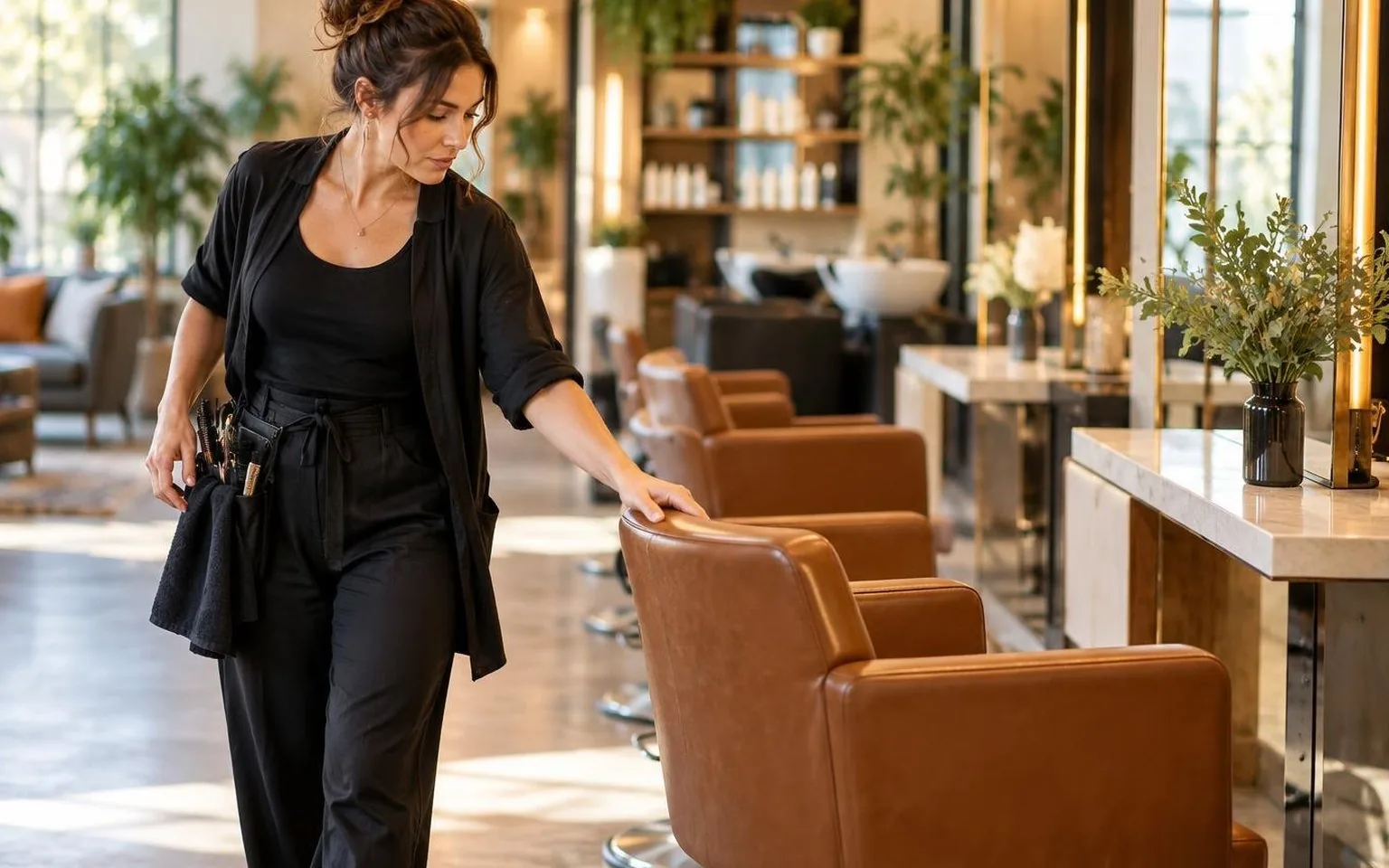
Filling empty chairs: what works for blow dry bars
What to know: Blow dry bar marketing ideas include 5 practical tactics: optimise your Google Business Profile, post client-approved before-and-after videos, reward…
-
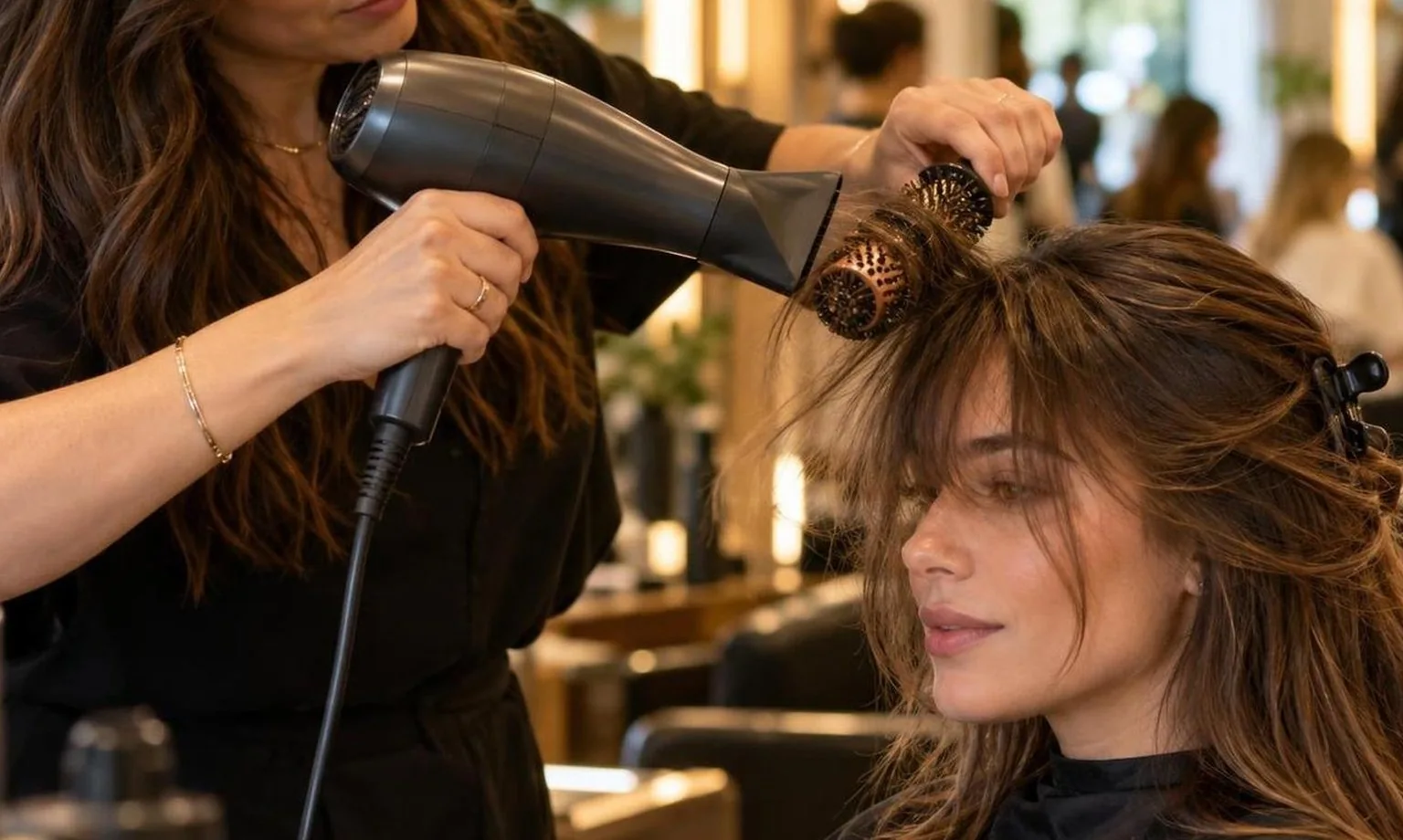
Blow drying a fringe so it sits flat
Short version: How to blow dry bangs: use medium heat and brush side to side before shaping. Start with damp bangs. Hold…
-
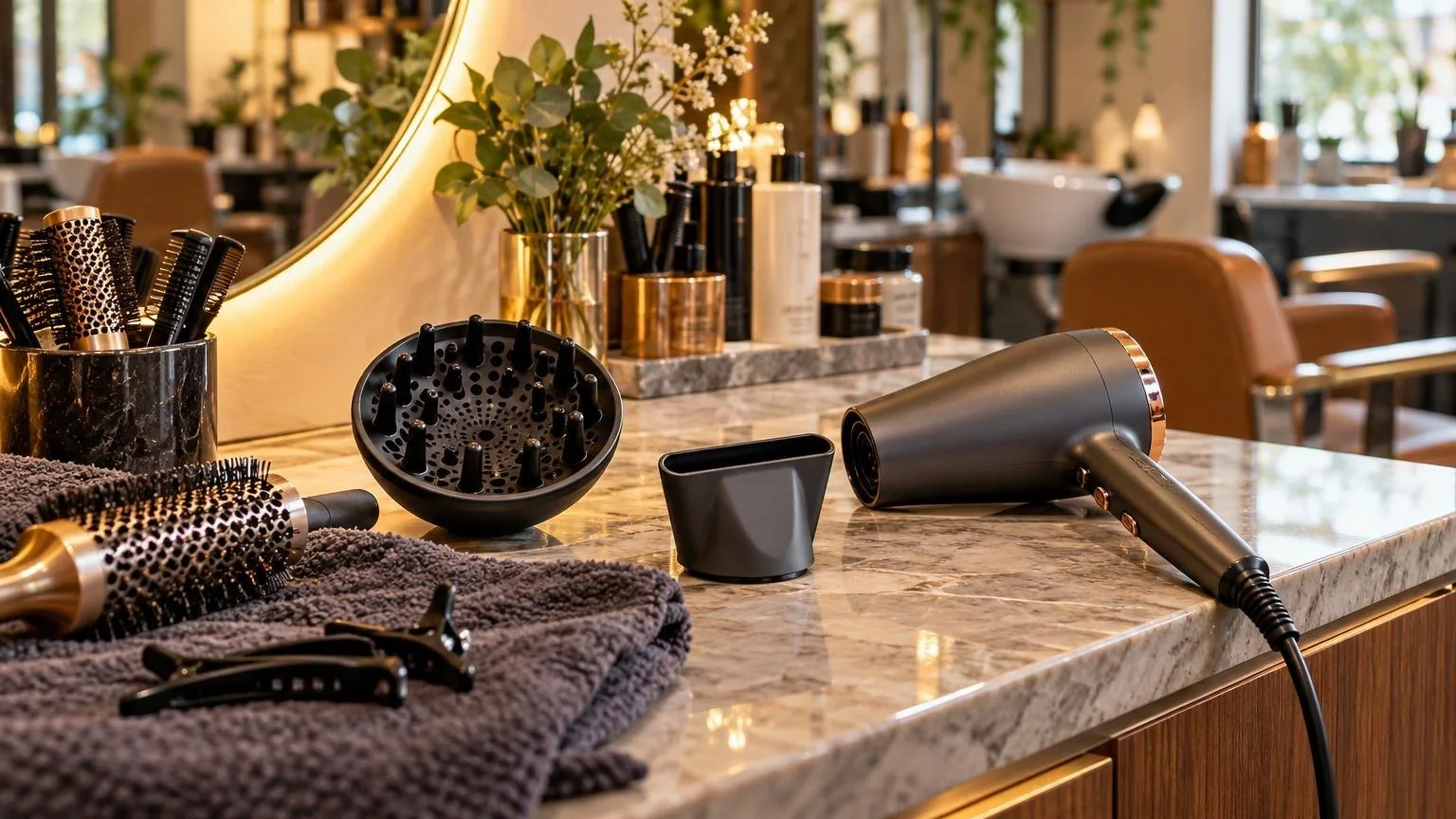
Diffuser or concentrator: which nozzle when
The gist: Diffuser vs concentrator: use a diffuser on low airflow to preserve curls; use a concentrator to smooth hair with a…
-
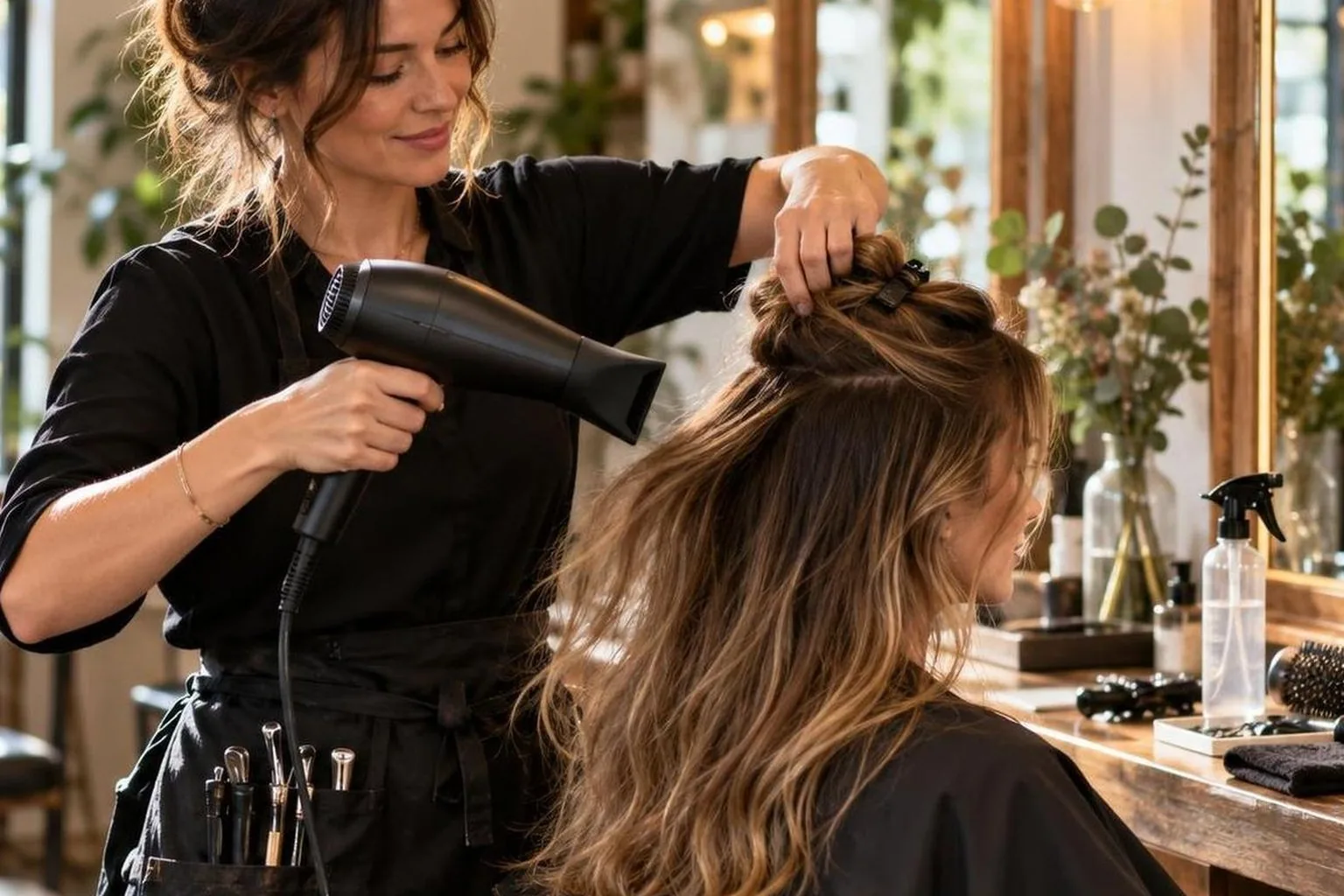
What heat protectant does, and what it cannot do
In short: Heat protectant works by coating hair with a thin film of ingredients such as silicones and polymers. This film helps…