
-

Rough dry or section dry: when each one wins
The essentials: Rough drying vs section drying: rough drying uses fingers and moving airflow to remove excess moisture; section drying uses a brush on controlled, 2–3 cm sections to shape and smooth. Rough-dry first…
-

Dryer weight, wrist strain and a full shift
The gist: Hair dryer weight directly affects wrist strain: dryers heavier than 500 grams (about 1.1 pounds) fatigue…
-

Chair count: sizing a blow dry bar to its demand
The quick version: A blow dry bar typically needs 4 to 8 styling chairs. A small studio starts…
-
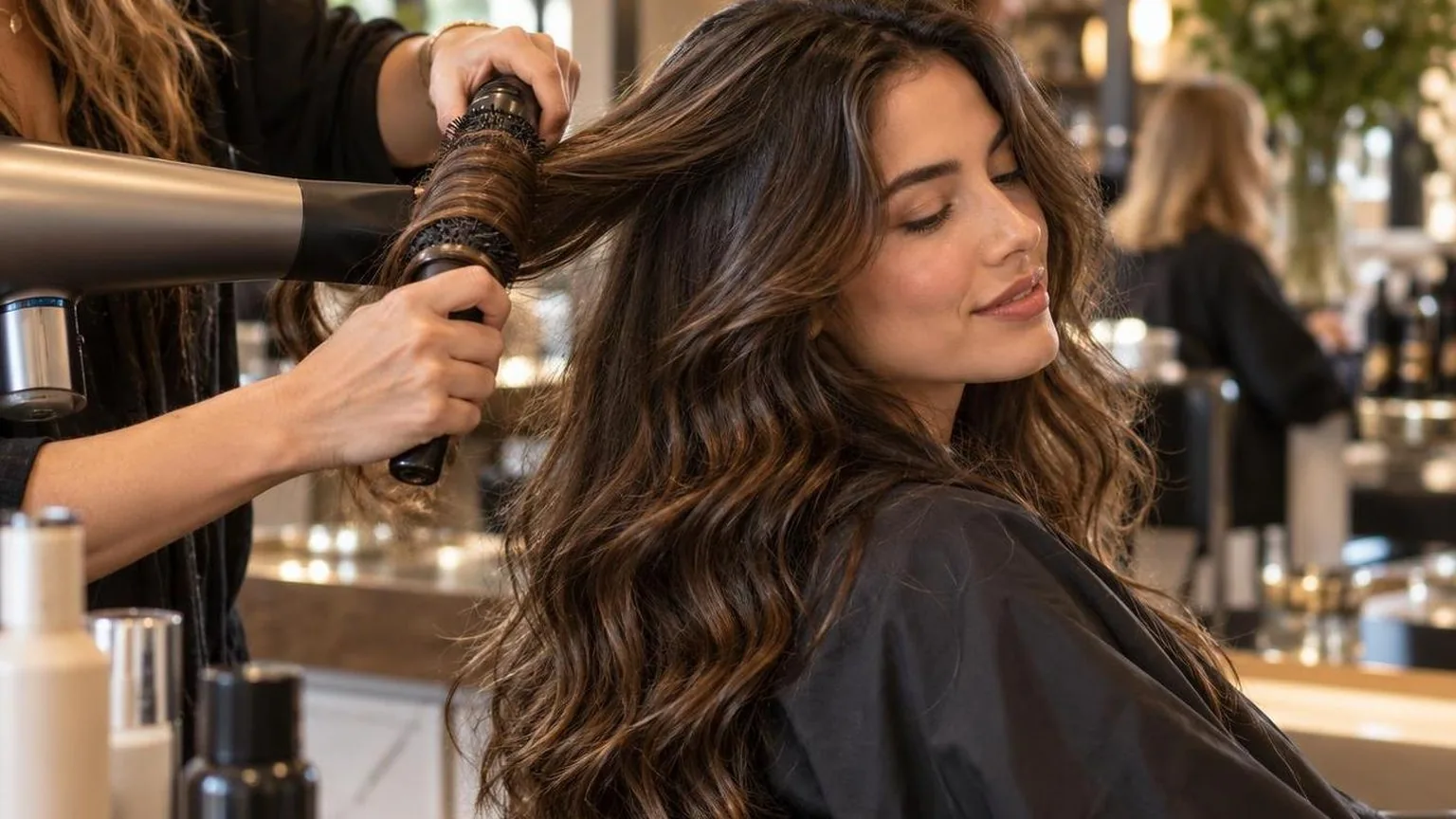
Smoothing wavy hair without flattening it
In a sentence: How to blow dry wavy hair smooth: rough-dry to about 80 percent dry on medium…
-
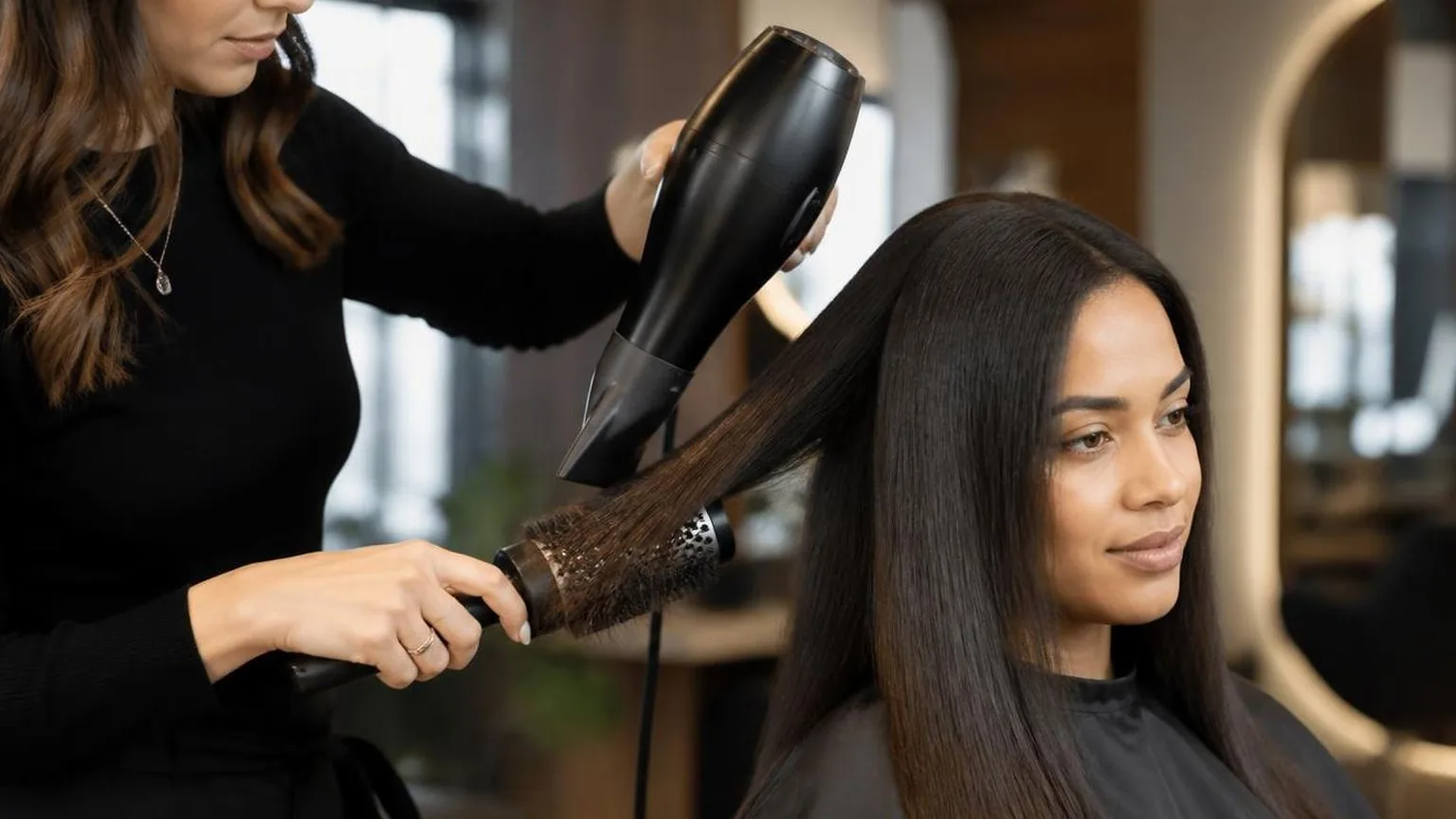
Blow drying curly hair straight without wrecking it
A smooth straight blow dry on curly hair comes from preparation, controlled tension, steady airflow and a finish that blocks frizz.
-
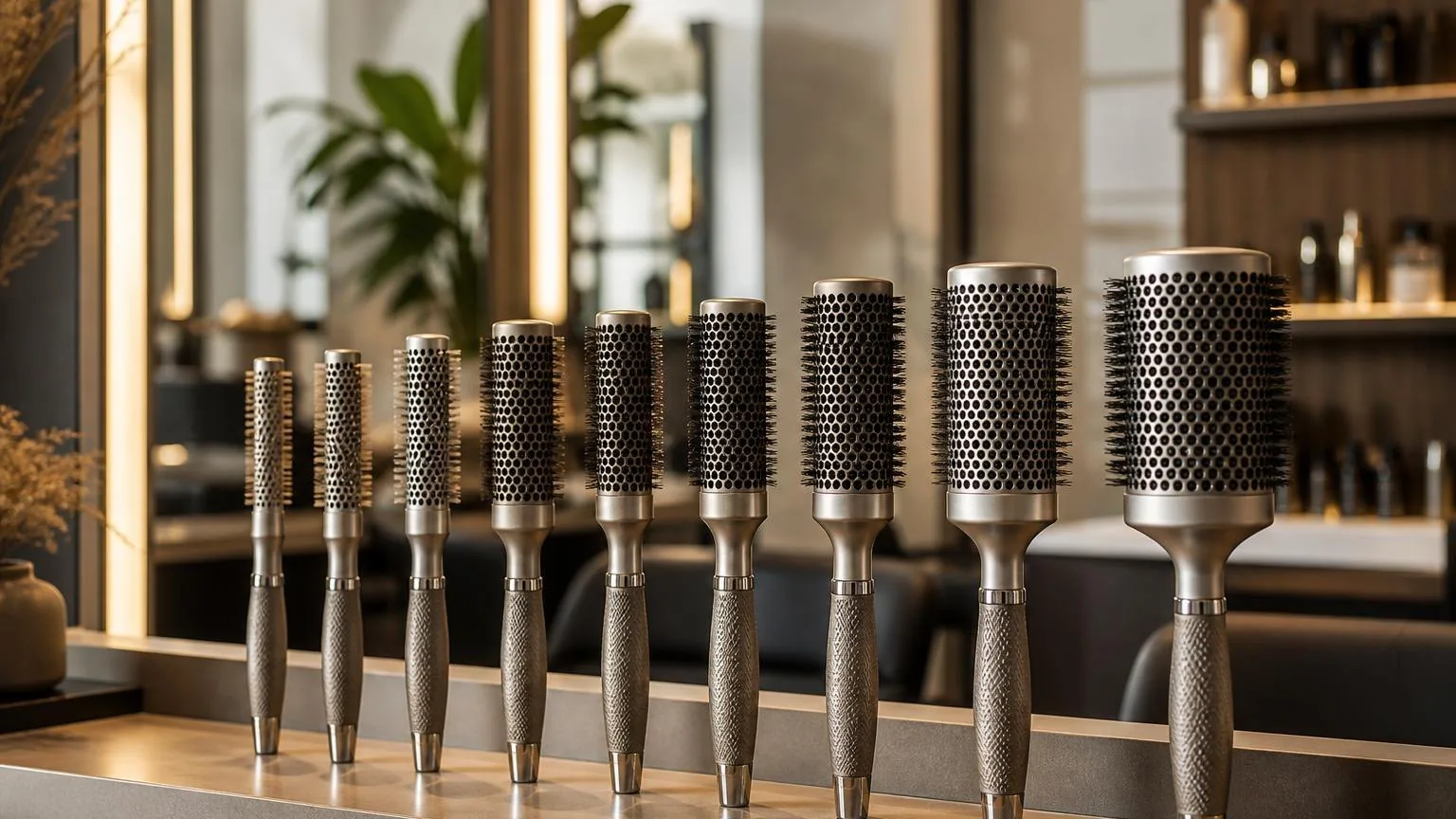
Round brush diameter, by hair length
Choose round brush diameter by the bend you need, not just hair length. Short hair needs smaller barrels; long hair can take…
-

How long a blow dry should actually take
A blow dry usually takes as long as the hair needs to be dried, shaped and cooled properly. Length, density, texture and…
-
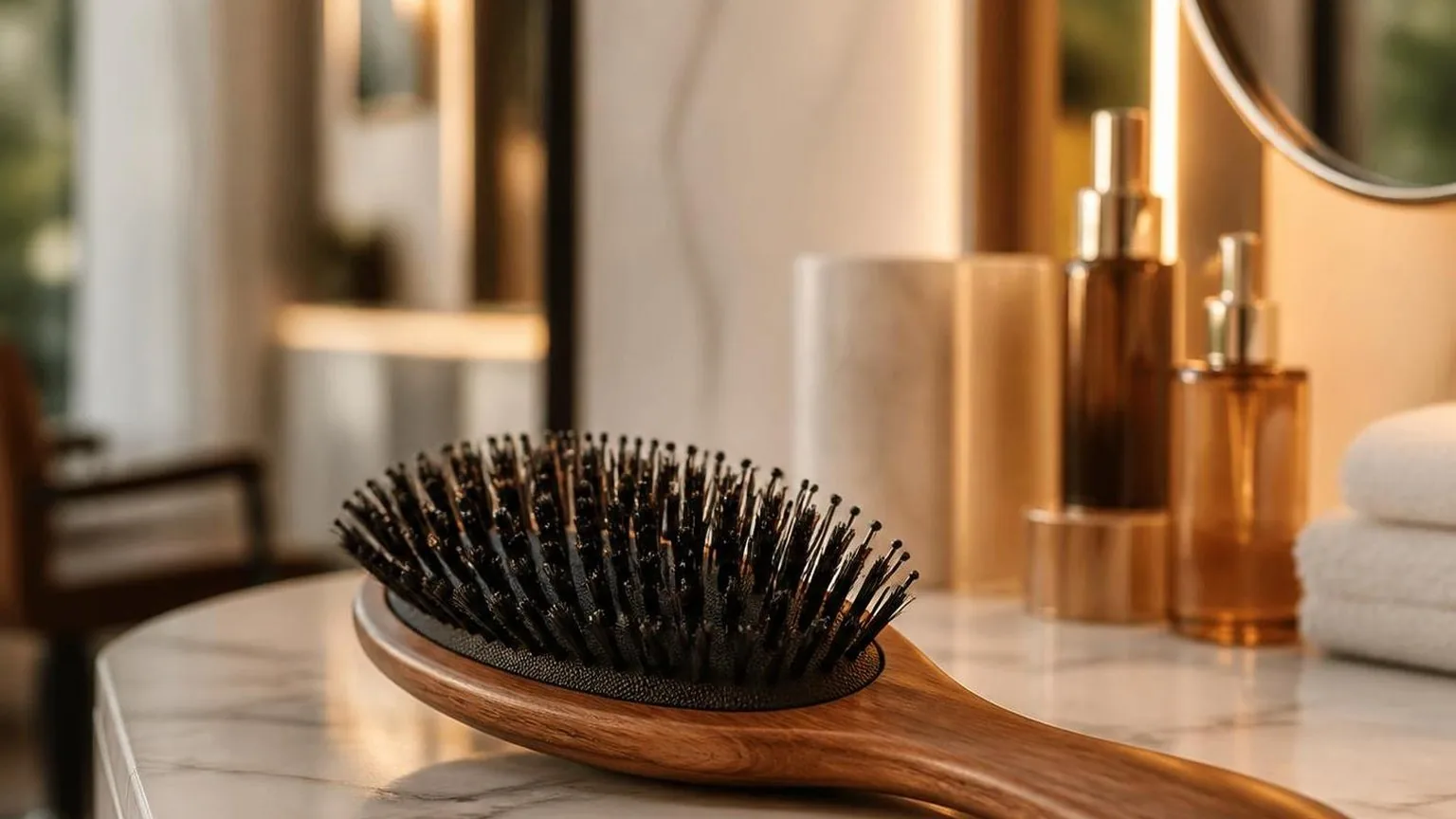
Boar, nylon or mixed: choosing round brush bristles
Boar, nylon and mixed round brushes behave differently under heat and tension. The right choice depends on grip, finish, density and control.
-

Hair dryer wattage, and why more is not better
Hair dryer wattage tells you power draw, not finish quality. The right dryer balances heat, airflow, nozzle control and hair type.