
-

Rough dry or section dry: when each one wins
The essentials: Rough drying vs section drying: rough drying uses fingers and moving airflow to remove excess moisture; section drying uses a brush on controlled, 2–3 cm sections to shape and smooth. Rough-dry first…
-

Dryer weight, wrist strain and a full shift
The gist: Hair dryer weight directly affects wrist strain: dryers heavier than 500 grams (about 1.1 pounds) fatigue…
-

Chair count: sizing a blow dry bar to its demand
The quick version: A blow dry bar typically needs 4 to 8 styling chairs. A small studio starts…
-
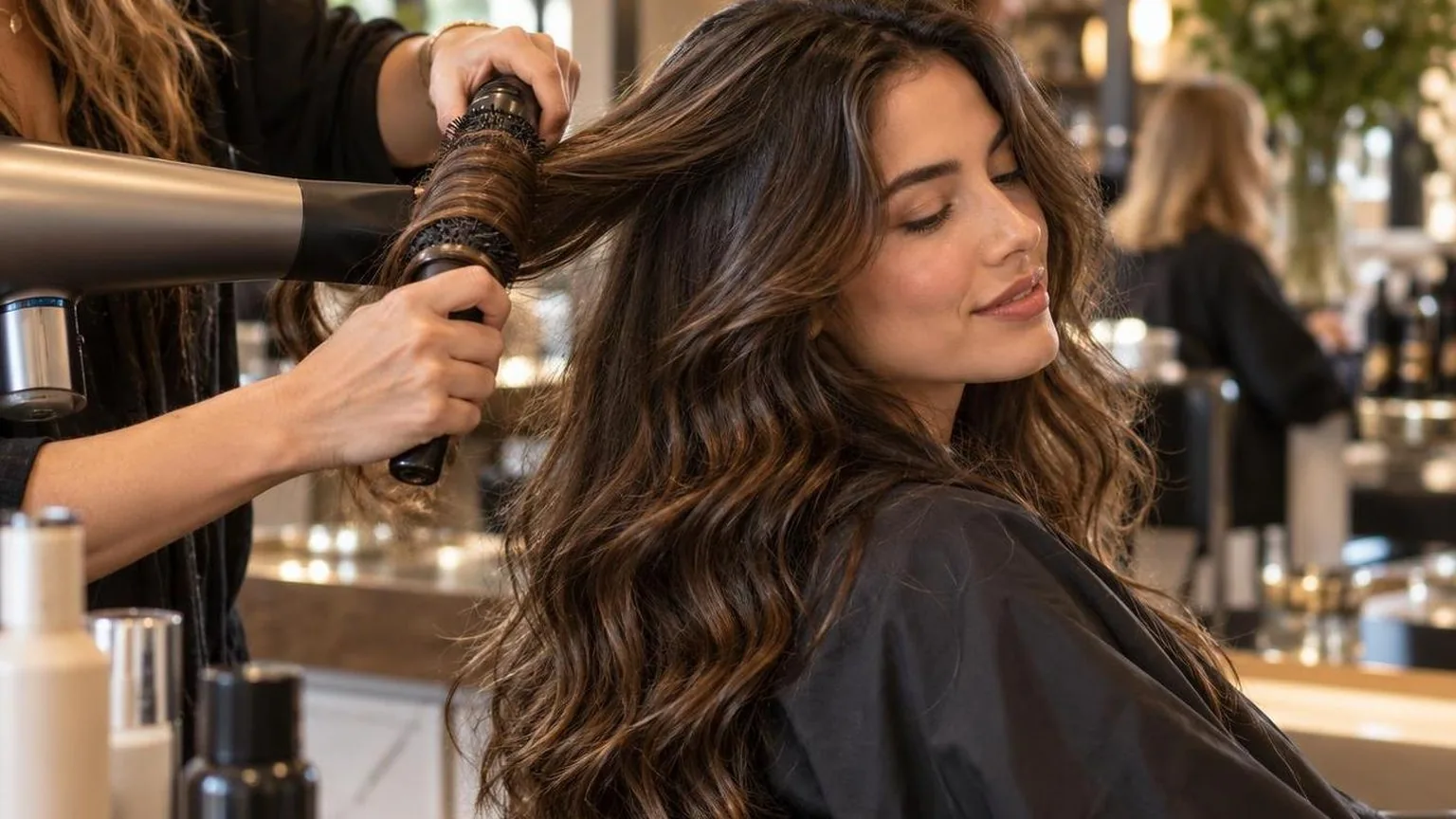
Smoothing wavy hair without flattening it
In a sentence: How to blow dry wavy hair smooth: rough-dry to about 80 percent dry on medium…
-
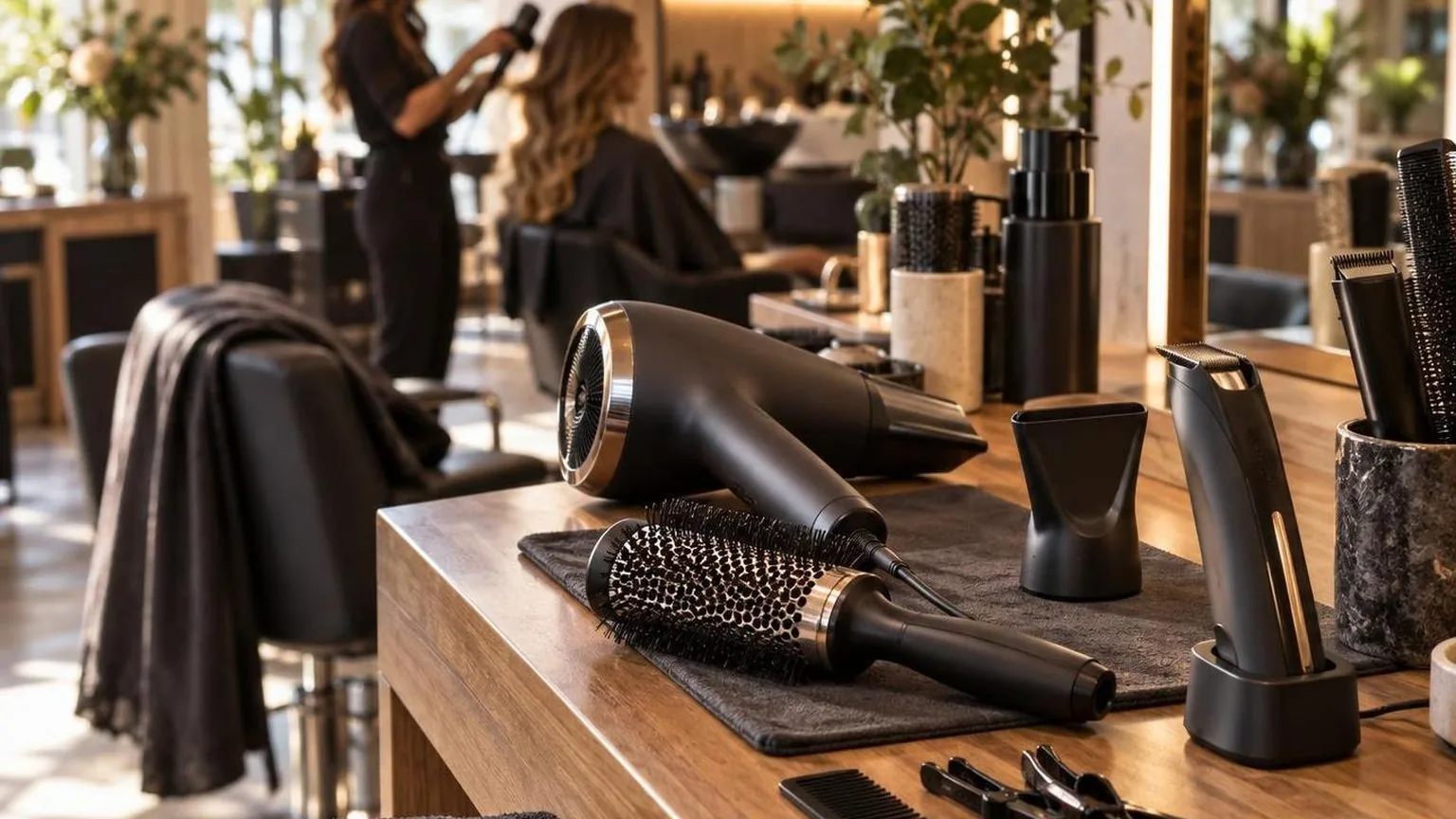
Brushless motors, and what they change for a salon
Short version: A brushless motor hair dryer uses electronically controlled magnets instead of carbon brushes to spin its motor. This design typically…
-
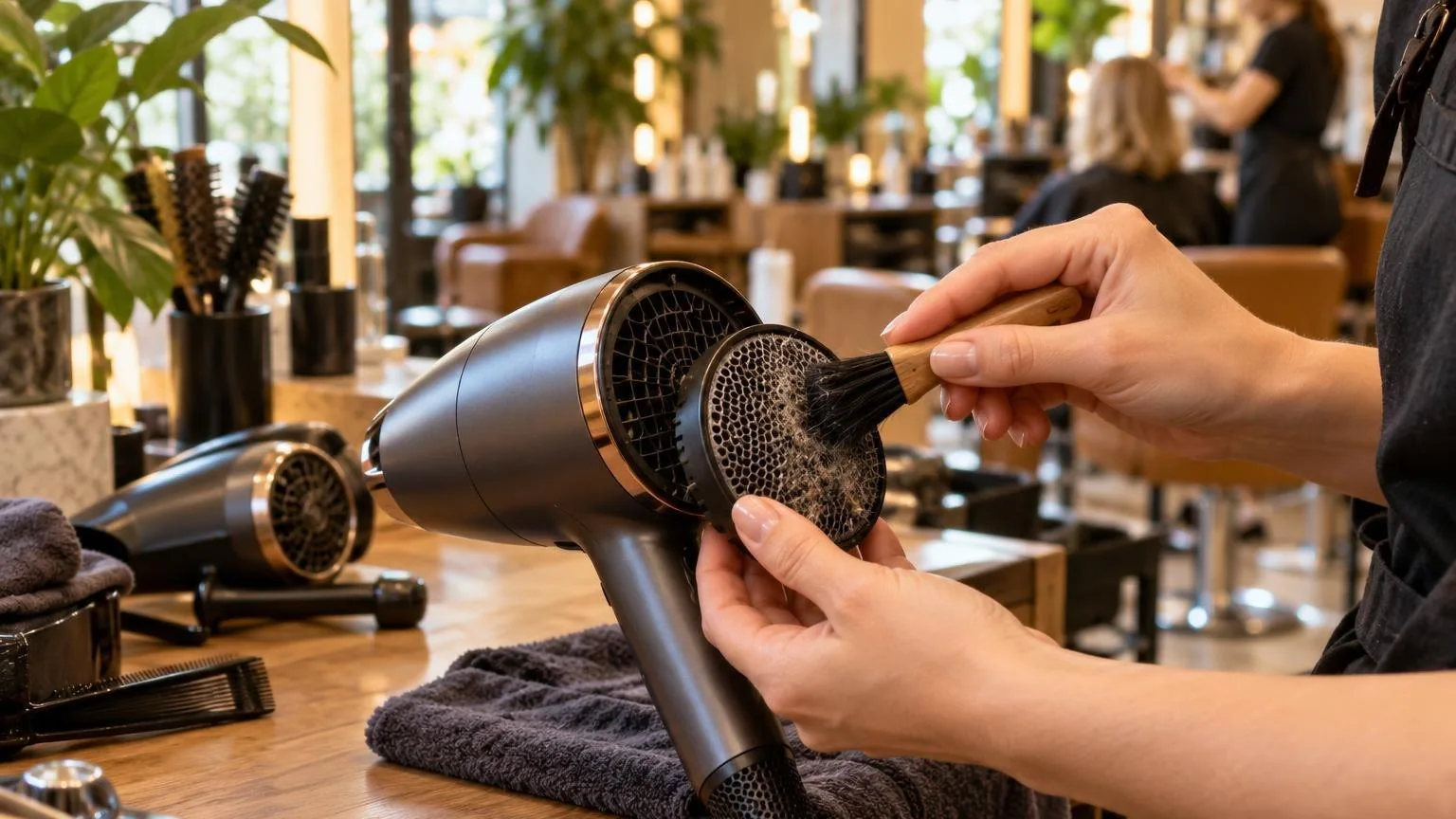
A maintenance schedule that keeps dryers alive
Bottom line: salon dryer maintenance schedule: Clean the lint filter after every use, inspect the cord, plug, nozzle and airflow weekly, and…
-
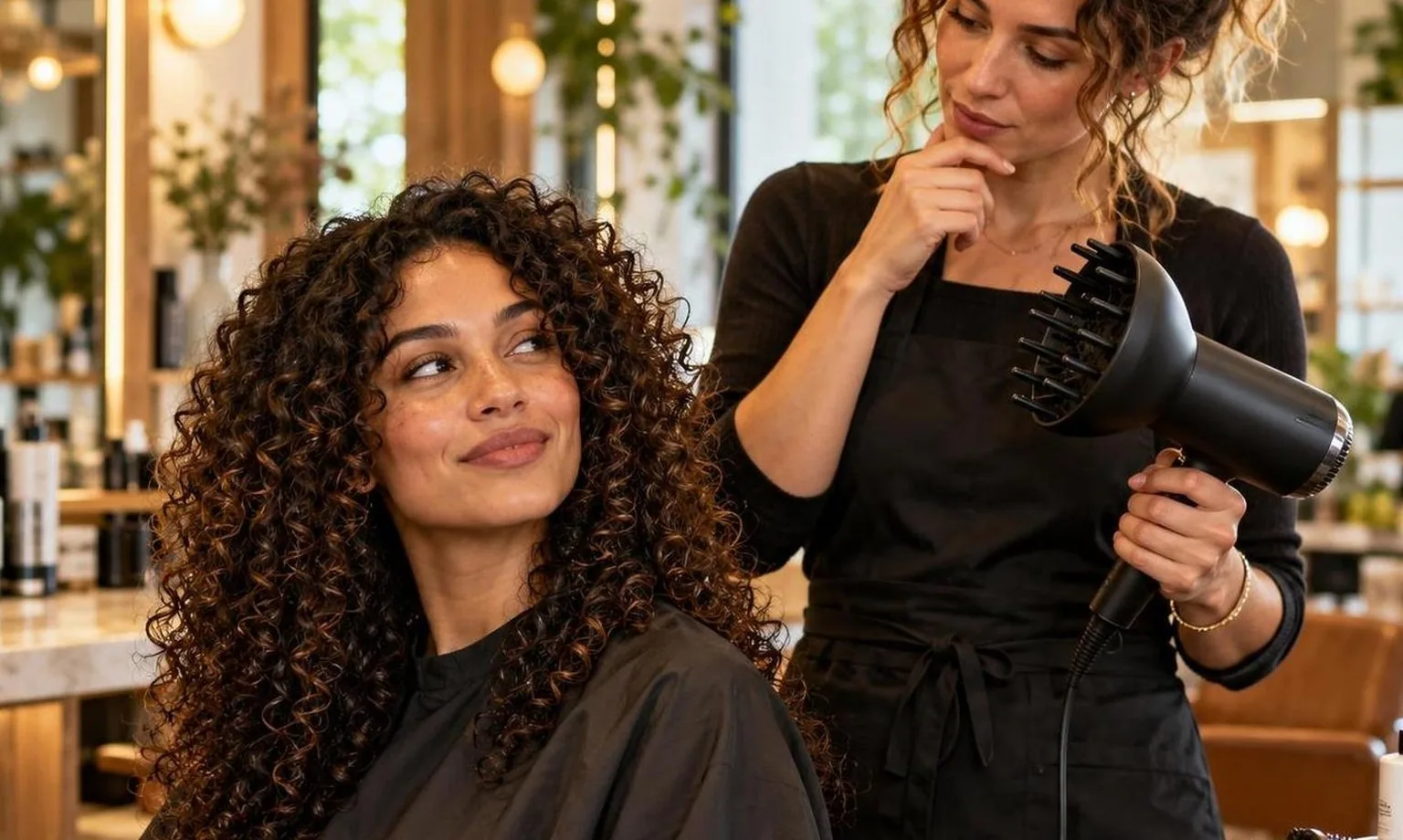
Diffusing curls without breaking the pattern
The essentials: How to blow dry curly hair with a diffuser: Use low heat and low airflow. Apply styling product to wet…
-
Pricing a blowout: the four inputs that set the number
In a sentence: Price a blowout by calculating your per-service cost first: add product used (typically 30–50 ml of styling product), stylist…
-

What a booth renter actually takes home
The quick version: booth renter take home pay is typically about 50% to 70% of service revenue after chair rent, product costs,…