
-

Rough dry or section dry: when each one wins
The essentials: Rough drying vs section drying: rough drying uses fingers and moving airflow to remove excess moisture; section drying uses a brush on controlled, 2–3 cm sections to shape and smooth. Rough-dry first…
-

Dryer weight, wrist strain and a full shift
The gist: Hair dryer weight directly affects wrist strain: dryers heavier than 500 grams (about 1.1 pounds) fatigue…
-

Chair count: sizing a blow dry bar to its demand
The quick version: A blow dry bar typically needs 4 to 8 styling chairs. A small studio starts…
-

Smoothing wavy hair without flattening it
In a sentence: How to blow dry wavy hair smooth: rough-dry to about 80 percent dry on medium…
-

When a round brush is worn out, and how to tell
Quick answer: How often to replace round brushes: replace them every 6–12 months with regular salon use, or sooner when bristles bend,…
-

Cutting salon no-shows without punishing regulars
The essentials: How to reduce no shows in a salon: Require card details when booking, send confirmations immediately, then reminders 72 and…
-
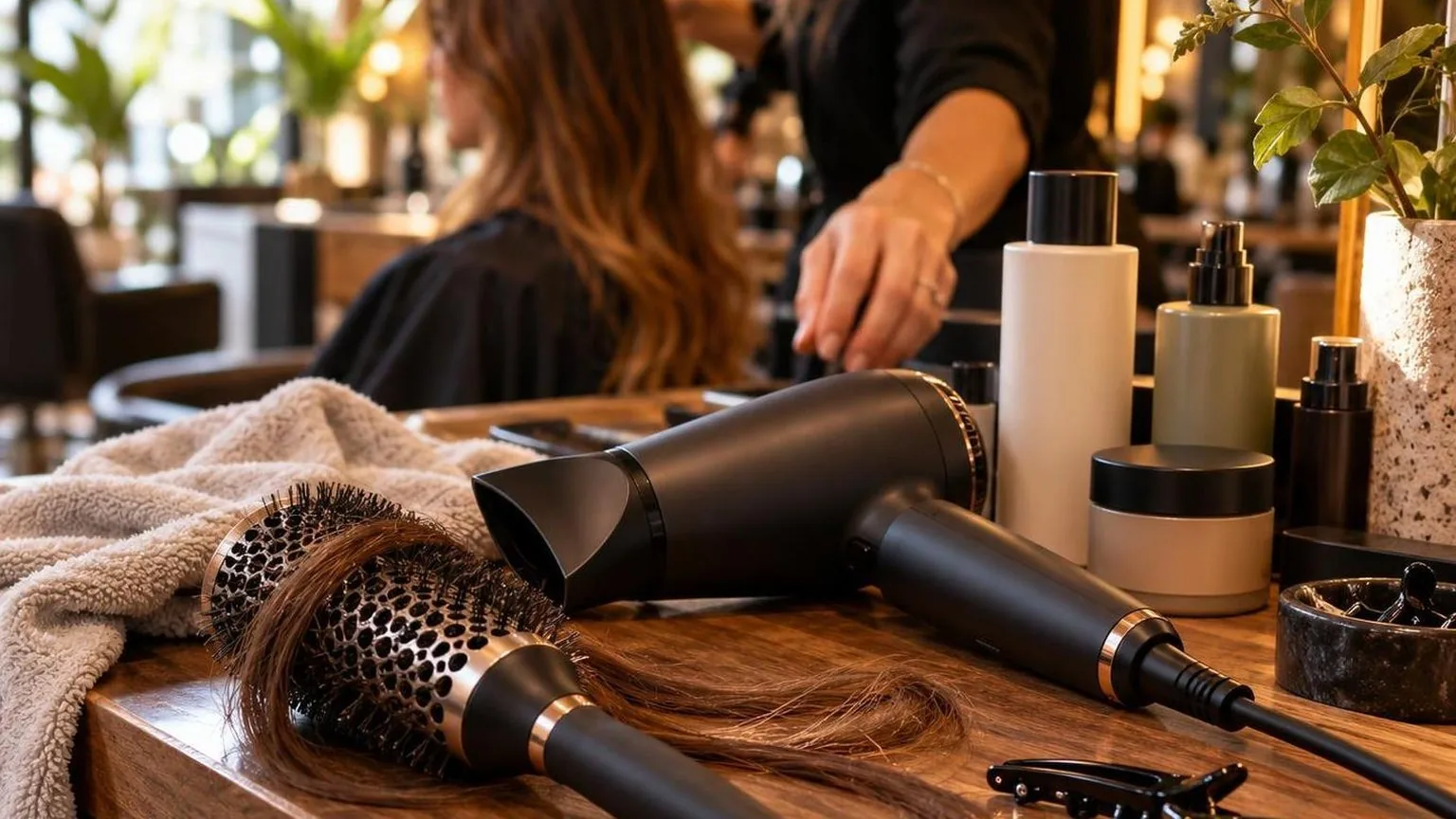
Why a blow dry turns frizzy, and how to stop it
The short answer: Why does hair go frizzy after blow drying? Hair becomes frizzy when the cuticle stays raised from excess heat,…
-

EPLI for salons: when it starts to matter
Short version: Employment practices liability insurance salon coverage protects the business against claims from employees or applicants involving wrongful termination, discrimination, harassment,…
-

Chair renters and insurance: who covers what
Quick answer: Insurance for hairdressers renting a chair usually requires your own hairdressing liability policy, even when the salon has cover. Choose…