
-

Pricing a blowout: the four inputs that set the number
Straight answer: Price a blowout by calculating your per-service cost first: add product used (typically 30–50 ml of styling product), stylist time (35–45 minutes average), and chair overhead. Most US blow dry bars charge…
-

What a booth renter actually takes home
Short version: booth renter take home pay is typically about 50% to 70% of service revenue after chair…
-
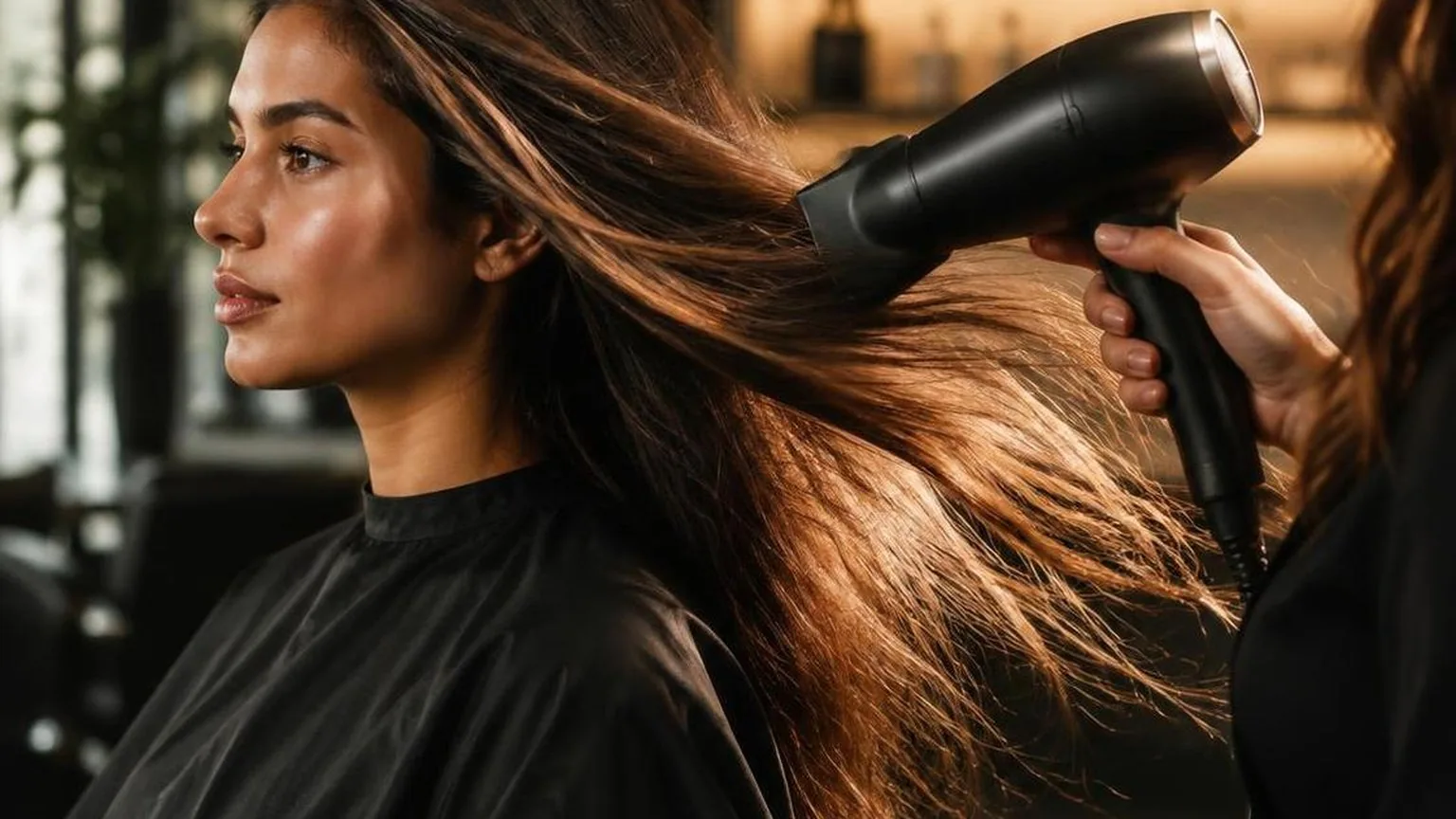
How hot a dryer actually runs at the hair
In short: How hot do hair dryers get: most full-size dryers blow air around 140–160°F on high, with…
-
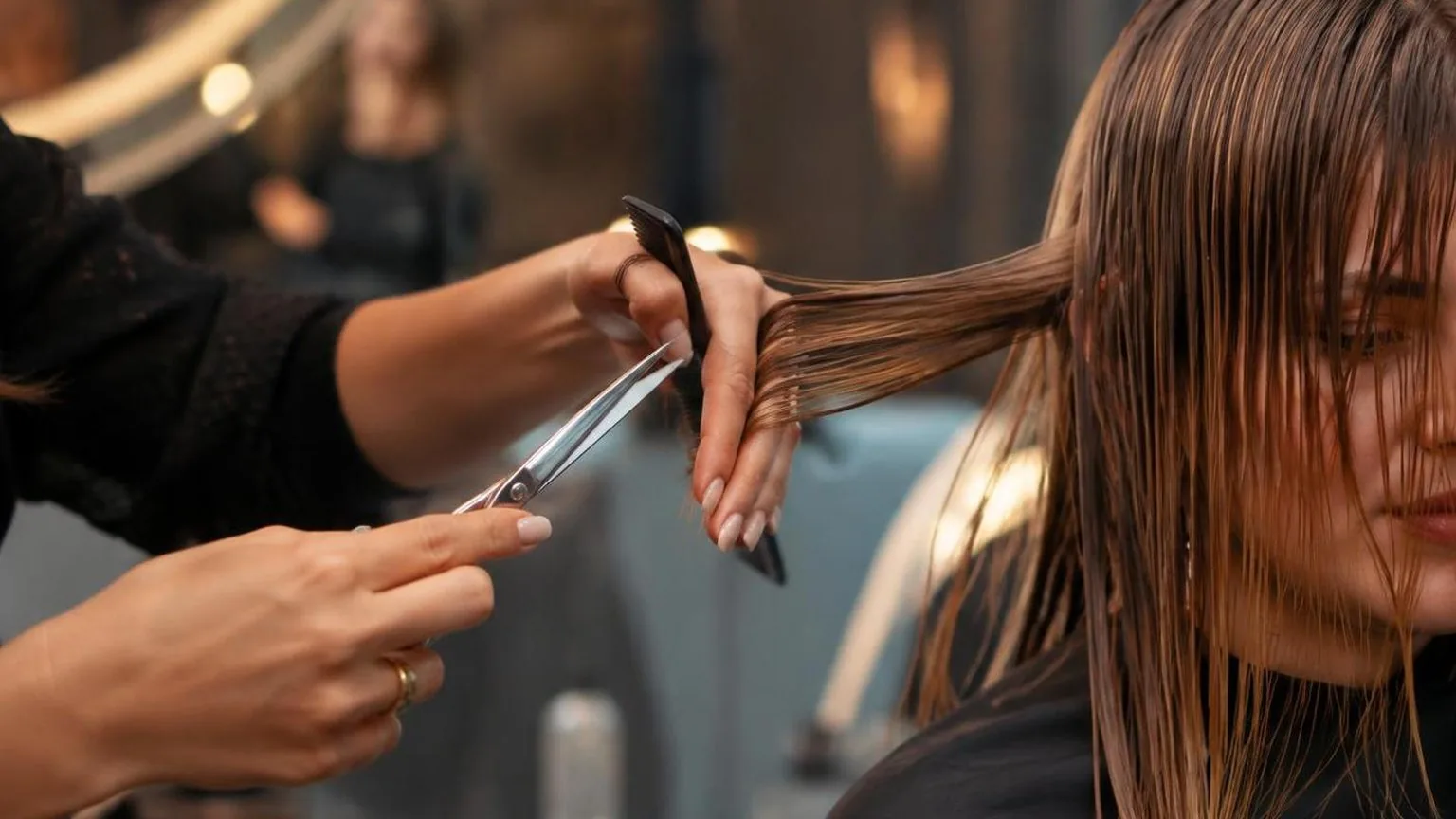
Insuring a stylist’s hands: what cover exists
Quick answer: hand insurance for hairdressers is usually covered through occupational accident, disability, or personal accident insurance, not…
-

How long a blow dry should actually take
A blow dry usually takes as long as the hair needs to be dried, shaped and cooled properly. Length, density, texture and…
-

Boar, nylon or mixed: choosing round brush bristles
Boar, nylon and mixed round brushes behave differently under heat and tension. The right choice depends on grip, finish, density and control.
-
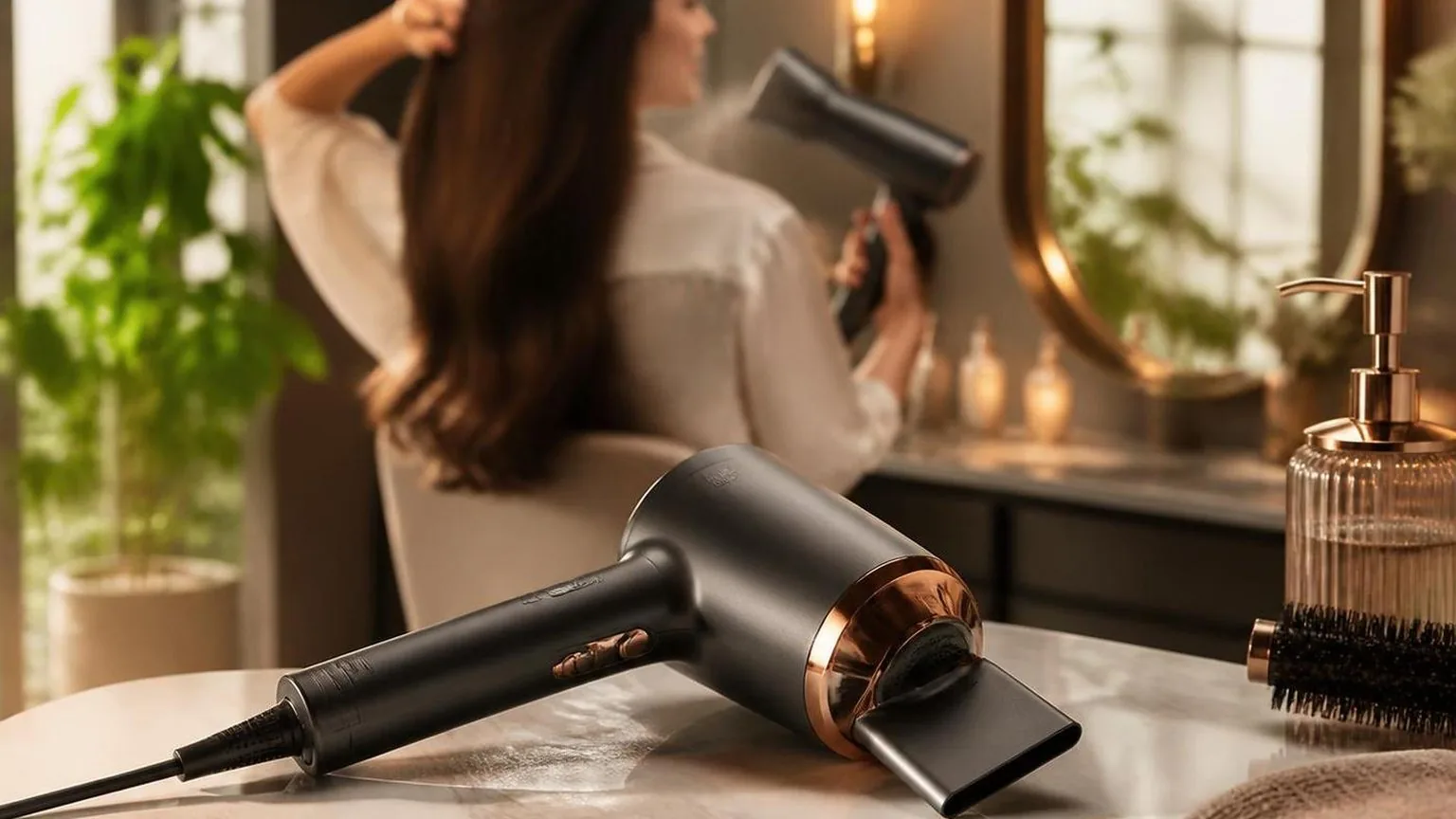
Hair dryer wattage, and why more is not better
Hair dryer wattage tells you power draw, not finish quality. The right dryer balances heat, airflow, nozzle control and hair type.
-
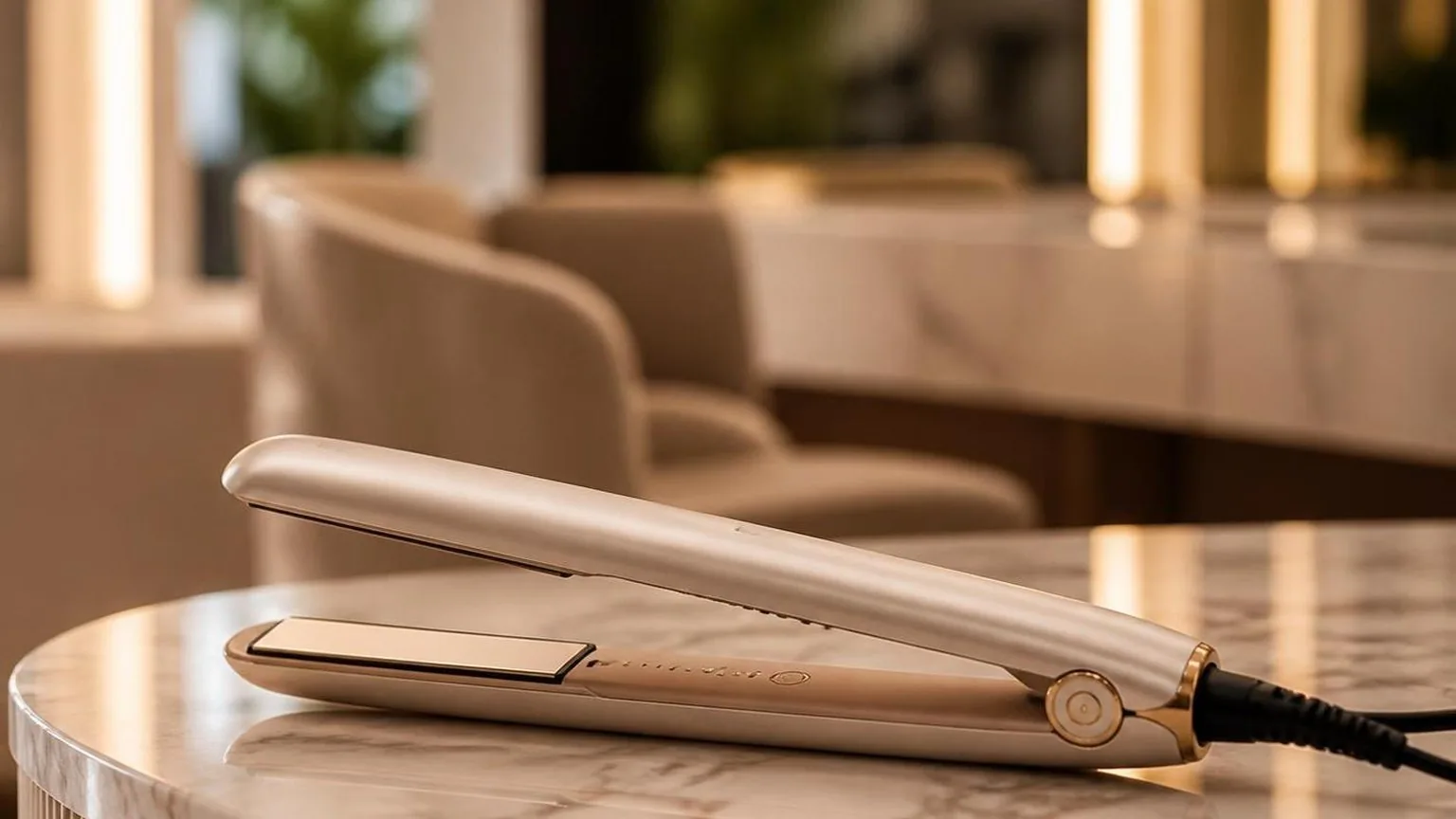
Ionic or ceramic: what the labels actually mean
Ionic and ceramic do different jobs. One affects water and finish, the other affects how heat is spread and delivered.
-

How salon memberships work, and when they backfire
A salon membership can smooth demand and protect repeat visits, but only if the allowance, booking rules, and payroll cost are tight.